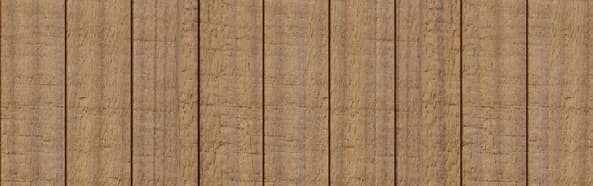
Understanding Thermally Modified Clear Radiata's Visual Role
Thermally Modified Clear Radiata is characterized by its clean, consistent grain and a restrained surface, making it suitable for modern, continuous installations. Its natural tone provides a warm contrast to cooler materials like metal or stone, while its subtle texture can add depth against smooth stucco. When integrating it into a multi-material facade, consider whether the wood will serve as a primary cladding, an accent, or a transitional element.
The clear appearance of Radiata allows for uninterrupted architectural lines, which is particularly effective when used in conjunction with materials that have a strong pattern or texture, such as natural stone, or a distinct sheen, like certain metals. This wood is selected for a cleaner visual field and is thermally modified for improved stability, offering lower moisture response than unmodified material. This makes it a reliable choice for exterior applications.
Common profiles for Thermally Modified Clear Radiata include Nickel Gap and S4S E4E, available in various nominal sizes.
Designing Material Transitions and Joint Details
One of the most critical aspects of combining different facade materials is the detailing of their transitions. Abrupt changes can look unfinished, while well-planned joints can enhance the overall design. Consider using trim pieces of Thermally Modified Radiata to frame sections of stone or stucco, creating a clean visual break and defining the edges of each material.
For vertical transitions, a simple butt joint with proper flashing and sealant is often sufficient, especially if the materials are on the same plane. However, for a more deliberate transition or when materials are at different depths, a reveal or a stepped detail can add architectural interest. For instance, a metal flashing or a thin, dark reveal strip can separate Thermally Modified Radiata from a stucco surface, emphasizing the change in material.
Horizontal transitions, such as where wood siding meets a stone base, require careful planning for drainage and moisture management. Ensure that the wood cladding has adequate clearance from the ground and any horizontal surfaces to prevent moisture wicking. A drip edge or a Z-flashing can be incorporated at these junctions to direct water away from the wall assembly.
Balancing Textures and Colors
When pairing Thermally Modified Radiata with stone, stucco, or metal, consider the interplay of textures and colors. The natural, consistent grain of Radiata provides a subtle texture that can be contrasted with the rougher, varied textures of natural stone or the smooth, monolithic appearance of stucco. Metal surfaces can introduce sleekness, reflectivity, or a distinct patina.
Color palette is equally important. The natural tone of Thermally Modified Radiata, often a warm brown, can harmonize with earthy stone tones, provide a striking contrast to cool gray metals, or add warmth against a neutral stucco. A limited palette, perhaps two primary materials and one accent, often results in a more sophisticated and less cluttered facade. Obtain physical samples of all proposed materials to evaluate their appearance together under different lighting conditions.
Worked Example: Facade Design with Thermally Modified Radiata and Stucco
Consider a hypothetical residential facade with a total width of 20 feet and a height of 10 feet. The design intent is to use Thermally Modified Radiata as a vertical accent on the upper third of the facade, with stucco covering the lower two-thirds. This creates a visually lighter top section and a grounded base.
The stucco section will be 20 feet wide by 6.67 feet high. To create a clean division, a 1-inch thick, dark-colored aluminum trim piece will be installed horizontally between the wood and stucco, acting as both a visual break and a drip edge for the wood.
Rounding up to 8 courses for full coverage and potential cuts, and given a 20-foot width, this would require 8 pieces of 20-foot long boards. However, for practical ordering and to minimize waste from field cuts, it's often better to order standard lengths and plan cuts accordingly. If available in 10-foot lengths, this would mean 16 pieces (8 courses x 2 pieces per course). Always account for waste factor, typically 10-15%.
The transition at the vertical corners where the wood meets the stucco could be finished with a simple butt joint and a corner trim piece of Thermally Modified Radiata (e.g., 1 × 8 S4S E4E, ripped to size) or a stucco stop bead for a crisp edge. This specific example highlights how careful dimensioning and material selection create a distinct visual effect and ensure proper functionality.
Complementary Materials and Profiles
Thermally Modified Radiata can be complemented by various materials. For a modern industrial look, consider pairing it with corrugated metal panels or sleek, dark-framed windows. The warmth of the wood can soften the rigidity of metal. For a more organic, earthy aesthetic, natural stone veneers or large format porcelain tiles can work well, with the wood providing a smooth counterpoint to the stone's ruggedness.
When selecting profiles, keep consistency in mind. If using a Nickel Gap profile for the main cladding, consider using S4S E4E boards for trim, fascia, or soffits in the same material to maintain a cohesive look. This allows for a variety of architectural details while ensuring material harmony. For example, the 1 × 8 or 1 × 12 S4S E4E profiles are well-suited for trim and moulding applications, providing a clean edge that can frame other materials effectively. Explore related products like our general siding and cladding options or other thermally modified wood products for inspiration on complementary finishes.
Before you order
- Define the primary and secondary materials for the facade.
- Obtain physical samples of all chosen materials to assess color and texture interactions.
- Determine the exact locations and dimensions of each material section on your facade.
- Plan all material transitions and joint details, considering flashing, sealants, and reveals.
- Account for drainage and moisture management at all horizontal junctions between materials.
- Select complementary profiles for Thermally Modified Radiata, such as Nickel Gap for cladding and S4S E4E for trim.
- Consider the overall balance of textures, colors, and patterns across the entire facade.
- Consult with a contractor or designer to review the proposed material transitions and installation methods.
Confirm installation details, approved uses and warranty terms in the current instructions for the exact product and profile. Your installer should verify the substrate, structure and applicable project requirements.
Questions to help you decide
Can Thermally Modified Radiata be painted to match other facade elements?
While Thermally Modified Radiata can be painted, its clear appearance and natural tone are often chosen for their inherent aesthetic. If a specific color match is desired, consult with a finishes expert to ensure compatibility with thermally modified wood and to understand any maintenance implications. Painting will obscure the natural grain, which is a key characteristic of the material.
What are the considerations for installing Thermally Modified Radiata directly adjacent to stone or stucco?
When installing Thermally Modified Radiata directly adjacent to stone or stucco, proper flashing and a suitable sealant are crucial at the joint. Ensure that the design allows for any differential movement between the materials. A small gap or reveal can accommodate this movement and provide a channel for sealant. Adequate ventilation behind the wood cladding is also important, especially when combined with solid masonry or stucco.
How does the long-term appearance of Thermally Modified Radiata compare to stone, stucco, or metal?
Thermally Modified Radiata, like all wood, will naturally weather and lighten over time if left unfinished and exposed to UV radiation, developing a silvery-gray patina. Stone and stucco can also show signs of weathering, such as discoloration or efflorescence, depending on the type and exposure. Metal can develop a patina or retain its original finish with proper care. It's important to understand and appreciate the natural aging process of each material to ensure a harmonious facade over its lifespan. Regular maintenance, such as cleaning and re-finishing the wood if desired, can help preserve its appearance.
Ready to Plan Your Multi-Material Facade?
Request a material quote with your project dimensions, exact profile preferences, and ZIP code to confirm current availability and service options for Thermally Modified Radiata and complementary materials. Our team can help you select the right products for a cohesive and durable design.
Request a material quote →