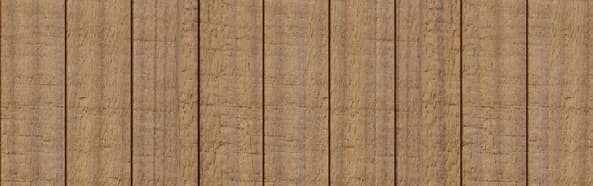
Understanding Thermally Modified Clear Radiata Samples
Thermally Modified Clear Radiata is selected for a clean visual field, then modified for improved stability. Its understated grain works well for applications requiring continuous architectural lines. Samples typically showcase the natural, untreated appearance of the wood after thermal modification.
The thermal modification process imparts a consistent, rich brown tone throughout the wood, which can deepen or lighten depending on the specific modification parameters. Samples allow you to observe this characteristic color and the fine, consistent grain of the Pinus radiata species. This material is often chosen for its clear appearance and reduced moisture response compared to unmodified wood.
Request samples that represent the profile you intend to use, as the profile can influence light reflection and overall visual texture.
Evaluating Samples Under Different Lighting Conditions
Lighting is one of the most significant factors affecting how a material appears. A sample viewed under cool LED lighting in an interior space will look different than the same sample viewed outdoors under direct sunlight or diffused natural light.
When evaluating samples, observe them at different times of day and in various lighting conditions relevant to your project. If the material is for exterior cladding, hold the sample against the wall at different orientations (north, south, east, west) to see how sunlight and shadow interact with its surface. For interior applications, observe samples under both ambient and task lighting, and consider how artificial light sources might alter the wood's perceived tone.
Assessing Texture and Finish
The surface texture of Thermally Modified Clear Radiata contributes to its overall aesthetic. While it offers a clean, consistent grain, the specific milling (e.g., smooth S4S or a specific profile like Nickel Gap) will create a distinct tactile and visual experience.
Run your hand over the sample to feel its smoothness. Consider how the texture might influence the final appearance, especially if you plan to apply a finish. Some finishes can subtly alter the perceived texture or sheen. Even if left unfinished to weather naturally, the initial surface texture will influence how light reflects off the material.
Comparing Samples with Adjacent Materials
Rarely is a wood product used in isolation. Thermally Modified Clear Radiata will likely be installed alongside other materials such as stone, stucco, metal, or glass. The way these materials interact visually can dramatically impact the project's aesthetic.
Gather samples of all primary materials intended for your project. Place the Thermally Modified Clear Radiata sample directly next to these other samples. Observe how colors, textures, and sheens complement or contrast. A tone that looks good on its own might clash or disappear when paired with a strong adjacent material. This comparison helps in achieving a cohesive and harmonious design.
Worked Example: Selecting for a Modern Facade
The design also includes dark gray stucco and large aluminum-framed windows. You have requested three samples of the Thermally Modified Clear Radiata.
First, take your samples outdoors. Hold them against the existing wall or a similar backdrop. Observe them at midday, then again in late afternoon. You notice that in direct midday sun, the wood's natural brown tones appear slightly lighter, while in the afternoon shadow, they deepen, highlighting the subtle grain. Next, place the wood samples directly against the stucco sample and a swatch of the window frame color. One Radiata sample, which looked appealing in the showroom, appears too warm when juxtaposed with the cool gray stucco and dark aluminum. Another sample, slightly cooler in tone, creates a more balanced contrast. You also consider how the Nickel Gap profile will create shadow lines, adding depth to the facade. By comparing the samples side-by-side with other materials in relevant lighting, you can confidently select the Radiata sample that best integrates with the overall design vision for your facade.
Interpreting Sample Labels and Documentation
Always pay attention to the information provided with your samples. Labels typically include the species (e.g., Thermally Modified Clear Radiata), profile, and sometimes the grade or finish. This information is crucial for ensuring you are evaluating the correct product.
Review any accompanying documentation that describes the thermal modification process, recommended applications, and expected appearance changes over time. For instance, Thermally Modified Clear Radiata is suitable for cladding, ceilings, decking, and trim. Understanding these details helps confirm the sample's suitability for your specific project requirements. If a sample is unlabeled, request clarification from your supplier.
Before you order
- Have I viewed the sample under various lighting conditions (natural, artificial, direct sun, shade)?
- Have I placed the sample next to all primary adjacent materials (stucco, stone, metal, paint)?
- Does the sample's texture and sheen meet my expectations for the intended application?
- Does the sample's profile match the intended product profile for my project?
- Have I confirmed the sample's identity (species, profile) with the provided label or documentation?
- Have I considered how the material might age or change appearance over time in my specific environment?
- Are there any specific project requirements (e.g., interior vs. exterior, covered vs. exposed) that influence the sample evaluation?
Confirm installation details, approved uses and warranty terms in the current instructions for the exact product and profile. Your installer should verify the substrate, structure and applicable project requirements.
Questions to help you decide
How large should my samples be?
Larger samples, ideally at least 12 inches long, provide a more accurate representation of the material's grain, color variation, and how it interacts with light. Smaller swatches can be misleading, especially for materials with natural variations.
Can I get a sample of a specific profile?
Yes, it is recommended to request samples that reflect the specific profile you intend to use. Different profiles, such as Nickel Gap or S4S E4E, will create distinct shadow lines and visual effects on your project.
What if the sample doesn't perfectly match the final product?
Natural wood products, even thermally modified ones, can have slight variations in color and grain. Samples are representative, but minor differences in the final delivered product are possible due to natural material characteristics and batch variations. Discuss expectations for consistency with your supplier.
Ready to Plan Your Project?
Request a material quote for Thermally Modified Clear Radiata. Provide your project dimensions, desired profile, and ZIP code to confirm current availability and service options.
Request a material quote →