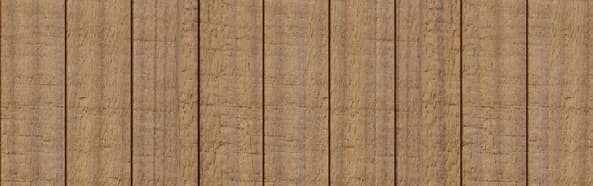
Understanding Thermally Modified Radiata's Natural Characteristics
Thermally Modified Clear Radiata is Pinus radiata that has undergone a thermal modification process. This process enhances the wood's stability and can result in a cleaner visual field, making it suitable for modern architectural lines. Its natural tone is consistent, which is often desired for cladding, ceilings, decking, and trim.
Like all wood products, Thermally Modified Clear Radiata will react to its environment. Exposure to UV light, moisture, and general atmospheric conditions will influence its appearance over time. Planning for these natural changes is a key part of maintenance.
Cleaning and General Upkeep
Regular cleaning is fundamental to maintaining Thermally Modified Clear Radiata, whether it's used for siding, decking, or interior features. The frequency depends on the application and exposure to elements like dust, pollen, and environmental debris.
For exterior applications such as siding or decking, a gentle wash with mild soap and water can help remove accumulated dirt. For interior applications like feature walls or ceilings, occasional dusting or a light wipe with a damp cloth is typically sufficient. Avoid harsh chemicals or abrasive cleaners, as these can damage the wood's surface or any applied finish. Always test cleaning solutions on an inconspicuous area first.
Finishing Options and Their Maintenance Implications
Thermally Modified Clear Radiata can be left unfinished to weather naturally, or it can be protected with various finishes. Each choice has distinct maintenance implications.
Unfinished wood will gradually develop a silver-gray patina when exposed to UV light and weather. This natural weathering process is a low-maintenance option in terms of reapplication, but it requires accepting the change in color. Regular cleaning is still necessary to prevent biological growth or excessive dirt accumulation.
Applying a clear or pigmented finish, such as an exterior oil or stain, can help preserve the wood's initial color or introduce a new tone. These finishes require periodic reapplication, with the frequency depending on the product type, environmental exposure, and desired appearance. For instance, a south-facing deck will likely need refinishing more often than a covered porch ceiling.
Specific Considerations for Exterior Applications
When Thermally Modified Clear Radiata is used for exterior applications like siding or decking, it faces greater environmental challenges. Continuous exposure to sun, rain, and temperature fluctuations necessitates a more proactive maintenance approach.
For decking, regular sweeping to remove leaves and debris is important to prevent moisture trapping and potential staining. Any spills should be cleaned promptly. For siding, ensure that water drains away from the surface and that vegetation is trimmed to prevent contact with the wood, which can lead to moisture retention and biological growth. Inspect fasteners periodically to ensure they remain secure.
Long-Term Care and Inspection Checklist
A routine inspection schedule is beneficial for identifying potential issues early. This can help prevent minor problems from escalating into more significant repairs. Depending on the application, an annual or semi-annual inspection may be appropriate.
During inspections, check for signs of biological growth (such as mold or mildew), excessive dirt buildup, cracking, or peeling of any applied finish. Also, look for any loose fasteners or areas where the wood might be experiencing unusual moisture exposure. Addressing these observations promptly can extend the life and appearance of your Thermally Modified Clear Radiata.
Before you order
- Identify the primary application (siding, decking, ceiling, trim, etc.).
- Determine exposure levels: direct sun, shade, rain, snow, high foot traffic.
- Decide on desired appearance: natural weathering (silver-gray patina) or maintained original color/finish.
- If finishing, select a compatible exterior oil or stain.
- Establish a cleaning schedule based on application and exposure.
- Plan for periodic reapplication of finishes, if applicable.
- Schedule annual or semi-annual inspections for damage or wear.
- Consider the availability of cleaning supplies and finishing products.
- Factor in the time and resources required for ongoing maintenance.
Confirm installation details, approved uses and warranty terms in the current instructions for the exact product and profile. Your installer should verify the substrate, structure and applicable project requirements.
Questions to help you decide
Can Thermally Modified Clear Radiata be left unfinished?
Yes, Thermally Modified Clear Radiata can be left unfinished, especially in exterior applications. When exposed to UV light and weather, it will naturally weather to a silver-gray patina over time. While this option reduces the need for finish reapplication, regular cleaning is still recommended to prevent dirt buildup and biological growth.
What kind of cleaning products should I use?
For general cleaning, a mild soap and water solution is typically sufficient. Avoid using harsh chemical cleaners, abrasive scrubbers, or high-pressure washers, as these can damage the wood surface or any applied finish. Always test any cleaning solution on an inconspicuous area first.
How often should I reapply a finish to Thermally Modified Clear Radiata?
The frequency of reapplication for a finish depends on several factors, including the type of finish used, the level of environmental exposure (sun, rain), and your desired aesthetic. Exterior applications in direct sunlight will generally require more frequent reapplication than those in shaded or covered areas. Always refer to the specific finish manufacturer's recommendations for their product.
Request a Material Quote for Your Project
Ready to plan your project with Thermally Modified Clear Radiata? Contact us with your project dimensions, desired profile, and ZIP code to receive a material quote. We can also confirm current availability and service options.
Request a material quote →