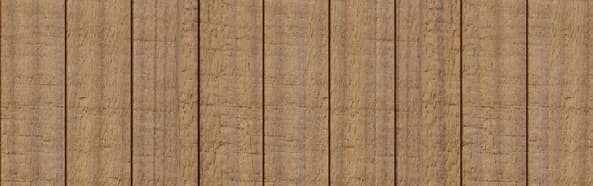
The Natural Appearance of Thermally Modified Clear Radiata
Thermally Modified Clear Radiata is characterized by its light to medium brown hues, a result of the thermal modification process. This process enhances the wood's stability and provides a clean, consistent grain pattern. Unlike some other wood species, Clear Radiata is selected for a minimal visual field, making it an excellent choice for continuous architectural lines where a uniform appearance is desired.
When left unfinished, Thermally Modified Clear Radiata will gradually weather to a soft, silvery-gray patina over time, especially when exposed to UV radiation and the elements. This natural aging process is a desirable outcome for many projects seeking an organic, low-maintenance aesthetic. However, if maintaining the initial warm brown tones is preferred, a protective finish is necessary.
Impact of Natural Light on Wood Appearance
Natural light significantly influences how Thermally Modified Radiata appears throughout the day and across seasons. Direct sunlight will highlight the wood's grain and warm undertones, making it appear lighter and more vibrant. In contrast, shaded areas or overcast conditions may emphasize its deeper, more subdued brown tones.
Consider the orientation of your project. A facade facing south will experience prolonged direct sunlight, leading to faster weathering if left unfinished and a brighter appearance. North-facing elevations will generally receive softer, indirect light, which can result in a more consistent, muted color. Observing samples at different times of day and under various light conditions is crucial for an accurate assessment.
Choosing a Finish: Preserving or Enhancing Color
Finishes play a critical role in controlling the color evolution of Thermally Modified Radiata. Clear, penetrating oil finishes can help maintain the wood's initial warm brown tones while offering some protection against moisture. These finishes typically need reapplication over time, with the frequency depending on exposure and product type.
For those seeking a specific color, semi-transparent or opaque stains can be applied. Semi-transparent stains allow some of the wood's natural grain to show through, while opaque stains provide a solid color, effectively masking the wood's original hue. It is important to select finishes specifically formulated for exterior wood applications and to follow manufacturer instructions for preparation and application.
Worked Example: Evaluating Color on an Exterior Facade
The client desires a natural, warm brown look that resists the silvering process for as long as possible.
Half of the panel is left unfinished, and the other half is treated with a UV-inhibiting, clear penetrating oil finish. This mock-up is installed on a section of the building that receives both direct morning and afternoon sun, as well as some shade during midday.
Over several weeks, the team observes the mock-up. They note that the unfinished side begins to show subtle silvering, particularly in areas of high sun exposure. The finished side retains its warmer brown tones more effectively, though a slight darkening might occur due with the oil application. This direct observation in the actual project environment allows for a clear comparison and confirms the client's preference for the finished appearance, informing the final material and finish specification.
The total surface area is 200 square feet. If the specified siding is 1x6 nominal (actual coverage approximately 5.125 inches per board), then each linear foot covers roughly 0.427 square feet. To cover 200 square feet, approximately 468 linear feet of siding would be needed, before accounting for cuts and waste. The mock-up, being 16 square feet, would require about 37.5 linear feet of siding.
Coordinating with Adjacent Materials and Landscape
The color and finish of Thermally Modified Radiata should harmonize with other materials used in your project, such as stone, stucco, metal accents, or surrounding landscaping. A clear finish on Radiata can complement natural stone or brick, allowing the wood's warmth to stand out without competing. Darker stains might create a bolder contrast with lighter materials.
Consider the existing landscape and hardscaping. Earthy tones in the wood can blend seamlessly with garden elements, while a more contemporary grayed finish might pair well with modern concrete or minimalist planting schemes. The goal is to create a cohesive visual narrative across the entire outdoor space. For coordinating materials, consider options like Siding and Cladding, or other Thermally Modified Wood products.
Before you order
- Define your desired aesthetic: natural weathered gray, initial warm brown, or a specific stained color.
- Consider the project's orientation and how natural light will interact with the wood.
- Obtain physical samples of Thermally Modified Clear Radiata in your chosen profile.
- Create a mock-up panel on-site to evaluate the wood's appearance under various lighting conditions and with different finish options.
- Research and select a finish (if desired) that aligns with your aesthetic and maintenance expectations.
- Evaluate how the chosen wood color and finish will coordinate with other exterior materials and landscaping.
- Confirm the long-term maintenance implications of your chosen finish.
Confirm installation details, approved uses and warranty terms in the current instructions for the exact product and profile. Your installer should verify the substrate, structure and applicable project requirements.
Questions to help you decide
Does Thermally Modified Radiata come in different colors?
Thermally Modified Clear Radiata has a natural light to medium brown tone as a result of the thermal modification process. While its inherent color is consistent, its appearance can be altered or preserved through the application of various finishes, such as clear oils, semi-transparent stains, or opaque stains.
How does thermal modification affect the wood's color?
The thermal modification process darkens the natural wood fibers, resulting in a consistent light to medium brown color throughout the material. This process also enhances stability and provides a clean, consistent grain. This color is inherent to the thermally modified material, rather than a surface treatment.
Can I paint Thermally Modified Radiata?
Yes, Thermally Modified Radiata can be painted. However, many choose to apply clear or semi-transparent finishes to highlight the wood's natural grain and color. If painting, ensure the wood is clean, dry, and properly primed with products suitable for exterior wood, following the paint manufacturer's recommendations.
Ready to Plan Your Project with Thermally Modified Clear Radiata?
Request a material quote with your project dimensions, desired profile, and ZIP code to confirm current availability and service options for Thermally Modified Clear Radiata. Explore our full range of Thermally Modified Wood products, including the versatile Maximo Accoya, for your next design.
Request a material quote →