Understanding Thermally Modified Radiata's Visual Character
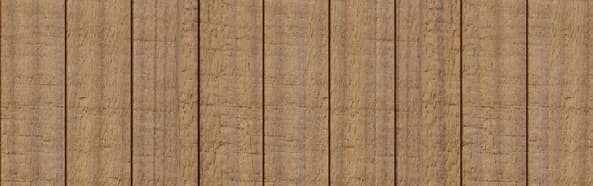
Thermally modified Radiata, specifically the clear grade, is characterized by a restrained surface with a clean, consistent grain. This makes it suitable for modern architectural lines, offering a uniform appearance that can create a sense of calm and sophistication in hospitality environments. The thermal modification process imparts a darker, richer tone to the wood, which can vary from a light to medium brown, depending on the specific treatment and subsequent finishing.
Its understated grain minimizes visual distractions, allowing for continuous, flowing installations on walls. This material can contribute to a natural aesthetic while maintaining a contemporary feel, making it versatile for various design schemes within a hospitality setting. The clear appearance means fewer knots or prominent character marks, which can be a key consideration for high-visibility areas in commercial projects.
Profiles and Dimensions for Wall Applications
Thermally modified Radiata is available in several profiles that can be adapted for wall applications. For a smooth, continuous wall surface, Square Back profiles are often considered. These profiles can create a clean, modern look when installed.
Larger dimensions such as 1x8 and 1x12 are also available in S4S E4E (Surfaced Four Sides, Eased Four Edges) profiles, which are commonly used for trim and molding. These larger widths can be utilized for broad wall panels or custom architectural elements. The flexibility in profiles allows for coordination between different elements within a design, such as using Nickel Gap for the main wall surface and S4S E4E for coordinating trim or accents.
Suitability for Hospitality Environments
The improved stability of thermally modified Radiata, resulting from its lower moisture response compared to unmodified wood, makes it a practical choice for hospitality spaces. These environments often experience varying humidity levels due to guest activity, climate control, or proximity to kitchens and bathrooms. The enhanced stability helps in maintaining the aesthetic integrity of the wall finish over time.
While suitable for many wall applications, it is important to consider the specific use case within a hospitality setting. For high-traffic areas prone to physical impact, additional protection or a more resilient material might be necessary. However, for feature walls, reception backdrops, or dining area accents, its visual appeal and stability can be a significant advantage. It is important to confirm local building code requirements for commercial installations, especially regarding fire ratings, as these can vary.
Designing with Thermally Modified Radiata: A Conceptual Example
Consider a hotel lobby measuring 20 feet wide by 15 feet deep, where a prominent feature wall behind the reception desk is desired. The wall measures 10 feet wide by 9 feet high. This profile provides a subtle shadow line, enhancing the linear aesthetic.
Each 1x6 board typically has an actual width of approximately 5.5 inches. To cover a 10-foot (120-inch) width, you would need 120 / 5.5 = approximately 21.8 boards. Rounding up, you would need 22 boards per row. For a 9-foot (108-inch) height, and assuming standard board lengths, you would need to cut boards to fit. If using 10-foot lengths, each board would yield one piece for the 10-foot width. The total linear footage for the 9-foot height would be 9 feet * (120 inches / 5.5 inches per board) = 9 feet * 22 boards = 198 linear feet. To account for cuts and waste, it is advisable to add 10-15% to this quantity. For a 10-foot width, you'd likely use 12-foot boards to minimize waste from end cuts, yielding one 10-foot piece and a 2-foot offcut per board. The number of rows would be 108 inches / 5.5 inches per board = approximately 19.6 rows, so 20 rows of boards. Therefore, you would need 20 boards, each 10 feet long, plus an allowance for waste and cuts.
This example illustrates how the Nickel Gap profile can create a visually engaging surface while maintaining a clean, modern aesthetic. The specific dimensions and layout should always be confirmed with detailed plans and material takeoffs.
Finishing and Maintenance Considerations
While thermally modified Radiata can be left unfinished to allow it to weather naturally to a silver-gray patina, for interior or covered exterior hospitality walls, a finish is often applied to maintain its initial warm brown tones and to provide an additional layer of protection. Various clear coats, stains, or oils can be used to achieve the desired aesthetic and enhance durability. The choice of finish should align with the desired maintenance schedule and the specific exposure conditions.
Maintenance typically involves periodic cleaning with mild soap and water. For finished surfaces, reapplication of the chosen finish may be necessary over time to refresh its appearance and protective qualities. Regular inspection can help identify any areas that require attention, ensuring the wall maintains its visual appeal in a busy hospitality environment.
Complementary Materials and Design Integration
Thermally modified Radiata's clear appearance and consistent tone make it a versatile material for integration with a range of other finishes common in hospitality design. It can be effectively paired with stone, metal, glass, or even painted drywall to create contrasting or harmonious effects. For example, a feature wall of thermally modified Radiata can be framed by sleek metal trim or juxtaposed with a polished concrete floor.
The material's ability to be custom milled for slats, trim, and field profiles offers design flexibility, allowing for cohesive detailing across different elements of a space. This coordination can enhance the overall design narrative, creating a unified and sophisticated atmosphere within a hospitality project.
Before you order
- Confirm the specific hospitality area (e.g., lobby, restaurant, guest room accent) and its functional requirements.
- Evaluate desired aesthetic: clear grain, modern lines, natural warmth.
- Select appropriate profile (e.g., Nickel Gap, Square Back, S4S E4E) based on visual effect and application.
- Consider the exposure conditions (interior, covered exterior) and potential for wear.
- Determine if a finish is required to maintain initial color or for added protection.
- Verify local building codes and fire ratings for commercial wood installations.
- Plan for integration with other materials and architectural details.
- Calculate precise material quantities, including waste factor, based on project dimensions.
Confirm installation details, approved uses and warranty terms in the current instructions for the exact product and profile. Your installer should verify the substrate, structure and applicable project requirements.
Questions to help you decide
Can thermally modified Radiata be used in high-moisture hospitality areas like spas or indoor pools?
While thermally modified Radiata offers improved stability and lower moisture response compared to unmodified wood, it is not impervious to moisture. For areas with consistently high humidity, direct water contact, or splash zones like spas or indoor pools, it is crucial to consult with a building professional and the manufacturer's specific guidelines. Proper ventilation, sealing, and a suitable finish would be essential to mitigate potential issues.
Does thermally modified Radiata require a specific type of fastener for wall installation?
The choice of fastener depends on the specific profile, the substructure, and whether the installation is interior or exterior. For interior applications, finish nails or screws may be appropriate. For exterior or covered exterior applications, corrosion-resistant fasteners are typically recommended. Always refer to the manufacturer's installation instructions for the recommended fastener type, size, and spacing to ensure proper performance and to avoid damage to the material.
How does thermally modified Radiata compare to other wood species for hospitality walls?
Thermally modified Radiata is selected for its clear appearance and consistent grain, offering a modern aesthetic. Its thermal modification process enhances stability, making it less prone to movement from humidity changes compared to many unmodified softwoods. Other species might offer different grain patterns, color variations, or inherent durability characteristics. The choice depends on the specific design intent, performance requirements, and budget for the hospitality project.
Request a Material Quote for Your Hospitality Wall Project
Ready to specify Thermally Modified Radiata for your next hospitality design? Provide your project dimensions, desired profile, and ZIP code to request a material quote. We can also confirm current availability and service options for your location. Visit our product page for more details on Thermally Modified Clear Radiata.
Request a material quote →