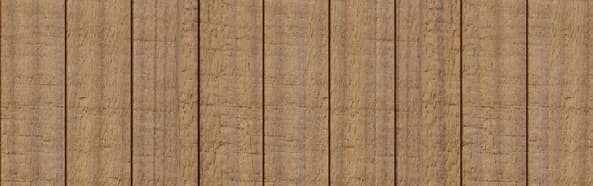
Understanding Natural Weathering of Thermally Modified Radiata
Thermally Modified Radiata, a clear-grade Pinus radiata that has undergone a thermal modification process, is valued for its improved stability and clean, consistent grain. When exposed to exterior conditions, this wood will naturally begin to weather. The most noticeable change is the gradual shift in color from its initial warm, medium-brown tone to a soft, silver-gray patina.
This weathering is a natural process caused by the sun's ultraviolet (UV) radiation breaking down the wood's surface cells, along with exposure to moisture and environmental pollutants. The rate and uniformity of this change can vary depending on local climate, exposure to direct sunlight, and protection from rain. Areas more exposed to the elements will typically weather faster and more intensely than sheltered areas.
The resulting silver-gray appearance is often desired for its elegant, low-maintenance aesthetic, blending well with modern and natural landscapes. It represents a living material's interaction with its environment, creating a unique character over time. This natural aging does not typically affect the wood's improved stability or structural integrity.
Factors Influencing Weathering Speed and Uniformity
Several environmental factors contribute to how quickly and evenly Thermally Modified Radiata weathers. Direct sun exposure is the primary driver; surfaces facing south or west, or those without overhead protection, will generally gray more rapidly. UV radiation accelerates the breakdown of lignin in the wood, leading to color change.
Moisture also plays a significant role. Frequent wetting and drying cycles can hasten weathering, especially in conjunction with UV exposure. Areas prone to prolonged dampness, such as those near irrigation or with poor drainage, might show different weathering patterns. Wind exposure can also affect surface drying and the deposition of airborne particles, influencing appearance.
Architectural features such as overhangs, recessed walls, or partial shading from trees or adjacent structures can create differential weathering. This means some parts of a facade may gray faster or to a different shade than others. It is important to consider these variations during the design phase, as they contribute to the material's evolving character. Planning for these variations can lead to a more harmonious overall appearance.
Cleaning and Maintenance for a Consistent Look
To maintain a more consistent appearance or to refresh the wood's surface, periodic cleaning of Thermally Modified Radiata is recommended. Regular cleaning helps remove dirt, grime, mildew, and biological growth that can accumulate and contribute to uneven weathering or discoloration.
For general cleaning, a soft brush or cloth with a mild soap and water solution is often sufficient. For more stubborn stains or mildew, a diluted solution of oxygen bleach (sodium percarbonate) can be applied according to product instructions, followed by a thorough rinse with clean water. Avoid high-pressure washing, which can damage the wood fibers and lead to an uneven surface.
It's important to clean the entire surface to avoid creating visible clean spots. For best results, clean on an overcast day to prevent cleaning solutions from drying too quickly. Always test any cleaning product on an inconspicuous area first to ensure it does not negatively affect the wood's appearance.
Applying Finishes to Alter or Preserve Appearance
While many choose to let Thermally Modified Radiata weather naturally, it is possible to apply finishes to either preserve its initial color or to introduce a new aesthetic. If you wish to maintain the wood's original warm tone, a UV-inhibiting oil-based finish or a penetrating stain designed for exterior wood can be applied. These finishes help protect the wood from UV degradation and moisture, slowing down the natural graying process.
For those who prefer a different color, semi-transparent or opaque stains are options. Semi-transparent stains allow some of the wood's natural grain to show through, while opaque stains provide a solid color. It is crucial to select finishes specifically formulated for exterior use on thermally modified wood, as these products are designed to adhere properly and withstand outdoor conditions.
Regardless of the chosen finish, regular reapplication will be necessary to maintain its protective and aesthetic qualities. The frequency of reapplication depends on the type of finish, environmental exposure, and manufacturer recommendations. Always prepare the surface by cleaning it thoroughly before applying any finish to ensure proper adhesion and a uniform result.
Worked Example: Planning for a Facade's Evolving Look
Consider a hypothetical project for a residential facade measuring 20 feet wide by 10 feet high, using Thermally Modified Clear Radiata siding. The facade faces due south, with a 3-foot overhang providing some protection to the upper section, but the lower 7 feet are fully exposed.
**Initial Assessment:** Upon installation, the entire facade will display the consistent warm, medium-brown tone of the Thermally Modified Radiata. However, knowing the south-facing exposure and the partial overhang, we anticipate differential weathering.
**Expected Weathering:** The lower 7-foot section, being fully exposed to direct sunlight and rain, will likely begin to silver-gray within 6-12 months, and this process will continue over the next few years, resulting in a pronounced silver patina. The upper 3-foot section, protected by the overhang, will weather more slowly and may retain more of its original brown tones for a longer period. This will create a subtle two-tone effect, with the top section appearing slightly warmer than the bottom.
**Decision Point:** The homeowner has two primary options: embrace the natural two-tone patina or aim for uniformity.
**Option 1: Embrace Natural Patina:** If the homeowner appreciates the natural aging process and the subtle variations it creates, no finish is required. Periodic cleaning (e.g., annually with mild soap and water) can help remove surface dirt and biological growth, ensuring the silvering process is clean and even across the exposed sections, without attempting to force uniformity with the sheltered areas.
**Option 2: Seek Uniformity with Finish:** If a more uniform appearance is desired, a UV-inhibiting semi-transparent stain could be applied to the entire facade. To achieve this, the product would be applied shortly after installation and then reapplied every 2-3 years, or as recommended by the finish manufacturer. This approach would slow the graying of the exposed sections and help the upper, sheltered section maintain its color, resulting in a more consistent overall hue across the facade. Alternatively, a finish with a light gray pigment could be chosen to accelerate the graying effect on the sheltered areas, helping them blend with the naturally weathered lower sections more quickly, while providing UV protection to both.
Before you order
- Do you prefer the natural silver-gray patina of weathered wood, or do you want to maintain the original warm brown tone?
- Are you prepared for potential differential weathering based on your project's exposure to sun and rain?
- Is regular cleaning a feasible part of your maintenance plan to manage surface dirt and biological growth?
- If applying a finish, have you selected a product suitable for thermally modified exterior wood and considered its reapplication schedule?
- Have you tested any chosen cleaning or finishing products on a small, inconspicuous area first?
Confirm installation details, approved uses and warranty terms in the current instructions for the exact product and profile. Your installer should verify the substrate, structure and applicable project requirements.
Questions to help you decide
Does Thermally Modified Radiata need to be sealed or finished?
Thermally Modified Radiata does not require a finish for durability or performance, as the thermal modification process enhances its stability and resistance to decay. However, if you wish to preserve its initial warm brown color or alter its aesthetic, an exterior-grade UV-inhibiting oil or stain can be applied. Without a finish, the wood will naturally weather to a silver-gray patina over time.
How quickly will Thermally Modified Radiata change color?
The speed at which Thermally Modified Radiata changes color depends on its exposure to UV radiation and moisture. In areas with direct, intense sunlight, the wood may begin to show signs of graying within 6-12 months. In more sheltered or shaded locations, this process will be slower, potentially taking several years to develop a full silver patina.
Can I restore Thermally Modified Radiata to its original color after it has weathered?
It is possible to restore weathered Thermally Modified Radiata to a color closer to its original tone. This typically involves cleaning the wood to remove surface grime and then applying a wood brightener or restorer, followed by a penetrating oil or stain that contains pigment. The effectiveness of restoration can vary, and consistent reapplication of a finish will be necessary to maintain the restored appearance.
Request a Quote for Thermally Modified Radiata
Ready to plan your project? Request a material quote for Thermally Modified Radiata. Provide your project dimensions, desired profile, and ZIP code to confirm current availability and service options.
Request a material quote →