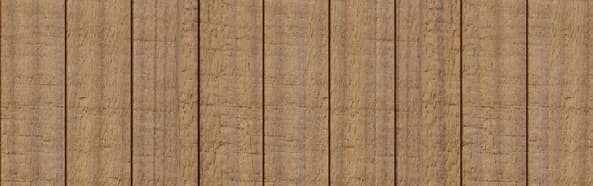
Understanding Thermally Modified Radiata Characteristics
Thermally Modified Clear Radiata undergoes a heat treatment process that alters its cellular structure. This process reduces the wood's ability to absorb moisture, leading to improved dimensional stability. This characteristic directly impacts fastener selection, as the wood will experience less expansion and contraction compared to untreated timber. Fasteners must accommodate this reduced movement while still providing sufficient holding power.
The clear appearance and consistent grain of Thermally Modified Clear Radiata mean that visible fasteners will have a significant impact on the final aesthetic. For applications where a clean, uninterrupted surface is desired, concealed fastening methods are often preferred. Conversely, for certain profiles or design aesthetics, exposed fasteners can be part of the design intent, requiring careful consideration of their material and finish.
Thermally Modified Clear Radiata is specified for cladding, ceilings, decking, and trim. The application dictates the type of stress the fasteners will endure, whether it's structural load, wind uplift, or simply holding the material in place against a substrate.
Fastener Material Compatibility
The material of the fastener is paramount to prevent staining and corrosion. When wood is exposed to moisture, certain chemical reactions can occur between the wood extractives and incompatible metals, leading to dark stains on the wood surface or accelerated corrosion of the fastener.
Stainless steel offers excellent corrosion resistance and minimizes the risk of staining the wood, especially in areas prone to moisture. Type 316 stainless steel provides superior corrosion resistance in coastal or highly corrosive environments.
Galvanized fasteners, while offering some corrosion protection, may not be sufficient for all exterior applications with Thermally Modified Radiata, particularly in damp or humid conditions, as their coating can be compromised over time. Always verify the specific type and thickness of galvanization if considering them for less exposed areas. Aluminum fasteners are typically not recommended for direct contact with treated wood due to potential galvanic corrosion.
Fastener Type and Installation Method
The choice between exposed and concealed fasteners depends on the desired aesthetic, the specific profile of the Thermally Modified Radiata, and the installation requirements.
Exposed fasteners, such as finish nails or screws, are driven directly through the face of the cladding into the substructure. When using exposed fasteners, choose those with small heads that can be countersunk or color-matched to the wood for a less noticeable appearance.
Concealed fastening systems hide the fasteners, creating a clean, unblemished surface. These systems often involve clips or specialized fasteners that engage the edge or back of the board, attaching it to the substructure without visible penetrations on the face. Some Thermally Modified Radiata profiles, such as Nickel Gap, may be designed to accommodate specific concealed fastening methods that fit within the joint or tongue-and-groove system. Always confirm the compatibility of the chosen fastening system with the specific cladding profile.
For applications like decking or structural details using "S4S E4E" profiles, screws are generally preferred over nails for their superior holding power and resistance to pull-out, especially where foot traffic or structural loads are a factor.
Worked Example: Selecting Fasteners for a Nickel Gap Cladding Project
The wall measures 10 feet high by 20 feet wide. The project is located in an area with moderate rainfall and occasional humidity. The substructure consists of standard wood studs.
The primary goal is a clean, modern aesthetic with minimal visible fasteners. Therefore, a concealed fastening system is the preferred choice. For the Nickel Gap profile, a common approach is to use a proprietary concealed clip system that engages the back of the board, or to face-nail through the tongue (if applicable for the specific profile and installation guidelines) with small-head stainless steel nails that will be covered by the next board.
Given the exterior application and moderate moisture exposure, stainless steel fasteners are essential. Type 304 stainless steel would be a suitable choice for general corrosion resistance. If the project were in a coastal zone, Type 316 stainless steel would be specified for enhanced protection against salt air.
The clips would attach to the substructure, securing the cladding boards from behind. The manufacturer's installation instructions for the specific Nickel Gap profile and chosen clip system would dictate the spacing and type of screws to use with the clips.
If a face-nailing through the tongue method is considered (assuming the profile supports it and the aesthetic allows for minor imperfections at the tongue that will be hidden), 1.5-inch to 2-inch stainless steel finish nails would be driven at an angle through the tongue of each board into the studs, ensuring they are adequately embedded. This method requires careful alignment to ensure the next board properly conceals the fasteners.
Fastener Length and Penetration
Adequate fastener length is crucial for secure attachment. This ensures sufficient grip to hold the cladding securely against wind loads and natural movement.
When calculating fastener length, consider the thickness of the Thermally Modified Radiata board and any intervening layers, such as a rainscreen batten or sheathing.
Pre-Drilling and Spacing
While Thermally Modified Radiata exhibits improved stability, pre-drilling pilot holes for fasteners is often recommended, especially for larger diameter screws or when fastening near board ends. Pre-drilling helps prevent splitting of the wood, which can occur during fastener insertion and compromise the holding power. The pilot hole diameter should be slightly smaller than the fastener's shank diameter.
Fastener spacing should follow the cladding manufacturer's recommendations and local building codes. Typically, fasteners are installed at each framing member, or at specified intervals for concealed systems. Consistent spacing ensures even distribution of holding power and contributes to the overall stability of the cladding system.
Before you order
- Confirm the specific Thermally Modified Radiata profile (e.g., Nickel Gap, S4S E4E) and its intended application (cladding, decking, trim).
- Determine the desired aesthetic: concealed fasteners for a clean look, or exposed fasteners as a design element.
- Identify the exposure conditions: interior, exterior, coastal, high humidity, etc.
- Consider pre-drilling: Especially for larger fasteners or near board ends to prevent splitting.
- Check compatibility: Ensure chosen fasteners or clip systems are compatible with the specific Thermally Modified Radiata profile and installation method.
- Consult local building codes and manufacturer installation guides for specific requirements.
Confirm installation details, approved uses and warranty terms in the current instructions for the exact product and profile. Your installer should verify the substrate, structure and applicable project requirements.
Questions to help you decide
Can I use galvanized screws for Thermally Modified Radiata cladding?
The thermal modification process can alter wood chemistry, and stainless steel provides superior, more reliable corrosion resistance and minimizes the risk of staining the wood over time.
Are specific fasteners required for Thermally Modified Radiata decking?
For Thermally Modified Radiata decking, screws are typically preferred over nails due to their superior holding power.
How do I choose between exposed and concealed fasteners?
The choice depends on your aesthetic preference and the specific Thermally Modified Radiata profile. Concealed fasteners provide a clean, uninterrupted surface and are often used with tongue-and-groove or specialized profiles like Nickel Gap. Exposed fasteners, such as small-head stainless steel finish nails or screws, are visible and can be part of the design, but careful selection of material and finish is crucial to avoid staining and achieve the desired look.
Request a Material Quote for Your Project
To get an accurate quote for Thermally Modified Clear Radiata and compatible fastening solutions, provide your project dimensions, desired profile, and ZIP code. Confirm current availability and service options with our team.
Request a material quote →