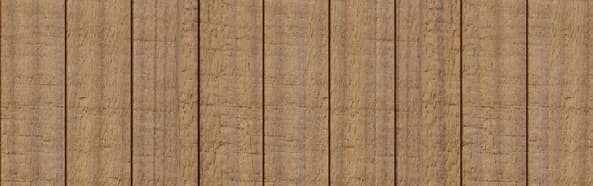
Understanding Thermally Modified Radiata for Entry Accents
Thermally modified clear Radiata is a material selected for its clean visual field and then processed to enhance its stability. This modification reduces the wood's tendency to swell or shrink in response to changes in humidity, making it suitable for exterior applications where consistent appearance is valued. The clear, consistent grain of Radiata offers a contemporary aesthetic, ideal for creating continuous architectural lines.
For an entry accent, the material's understated grain allows it to complement various architectural styles without overpowering other design elements. It's often chosen for its ability to provide a natural wood look with improved performance characteristics, particularly in areas exposed to the elements.
Thermally modified Radiata is suitable for cladding, ceilings, decking, trim, and molding. Its versatility in application makes it a strong candidate for a cohesive entry design that might extend beyond just the wall surface.
Selecting the Right Profile for Your Entry Accent
The profile of your thermally modified Radiata planks significantly influences the final look of your entry accent. Different profiles create distinct shadow lines and textures, contributing to the overall design language.
This profile can provide a modern, crisp appearance. S4S E4E (Smooth on 4 Sides, Eased on 4 Edges) profiles, available in sizes like 1x8, 1x12, and 2x6 nominal, offer a more substantial or traditional look, depending on the chosen dimensions. These are versatile for trim, molding, or even creating a bespoke slat system.
The choice of profile should align with the desired aesthetic and the scale of your entry. A wider plank or a deeper shadow line might be appropriate for a grander entrance, while narrower planks or a subtle gap can suit a more minimalist design. Custom milling can also be explored to coordinate slats, trim, and field profiles for a highly tailored look.
Considering Weather Exposure: Sun, Rain, and Wind
Exterior entry accents are directly exposed to environmental factors, which necessitates careful material selection and design. While thermally modified Radiata offers improved stability compared to unmodified wood, understanding its interaction with sun, rain, and wind is crucial for long-term appearance and performance.
Sun exposure can lead to the wood gradually weathering to a silver-gray patina over time if left unfinished. If maintaining the original rich tone is desired, a UV-resistant finish or stain will be necessary. Regular reapplication of finishes may be required. Rain and moisture exposure should be managed through proper detailing, ensuring adequate drainage and preventing water from pooling against the accent wall. A rainscreen assembly can be beneficial, providing a drainage plane and ventilation behind the cladding.
Wind can drive moisture into wall assemblies, so ensuring proper flashing around openings, corners, and the base of the accent wall is vital. While thermally modified Radiata is stable, extreme temperature fluctuations can still impact any exterior wood. Planning for these conditions contributes to a durable and attractive entry accent.
Coordinating with Doors, Lighting, and Adjacent Materials
A successful entry accent integrates harmoniously with its surroundings. The color and style of your front door, the type and placement of exterior lighting, and the materials used on adjacent walls all play a role in the overall composition. Thermally modified Radiata's natural tone and clear grain make it a versatile partner for many design schemes.
Consider how the wood's color, whether natural or finished, will complement your door. Darker doors can create a striking contrast, while a light-colored door might blend more subtly. Lighting fixtures should be chosen not only for illumination but also for their aesthetic contribution. Up-down lights can highlight the texture and linearity of the wood, while sconces can provide a softer glow. Ensure that light fixtures are installed with appropriate blocking and sealing to prevent moisture intrusion.
When pairing thermally modified Radiata with other materials like stone, stucco, or metal, think about contrast and balance. A wood accent can soften a facade dominated by hard materials, or it can introduce warmth to a cool, minimalist design. The goal is a cohesive entry experience that feels intentional and inviting.
Worked Example: Designing a 10-Foot Entry Accent Wall
Let's consider a hypothetical entry accent wall for a single-story home, measuring 10 feet wide by 8 feet high, located directly beside the front door. The homeowner desires a modern, linear look.
The total area is 10 feet x 8 feet = 80 square feet. For a 10-foot width, we would need 10 feet / 0.458 feet/board = approximately 21.8 boards. Since the wall is 8 feet high, and standard lengths often come in 8, 10, 12, or 16 feet, using 8-foot lengths would minimize waste for vertical installation.
This calculation assumes minimal waste and a straightforward installation. It is always recommended to add an additional 10-15% for cuts, potential defects, and future repairs. In this case, 22 boards + 15% (3.3 boards) means purchasing approximately 26 boards.
For horizontal installation, the calculation would be different. An 8-foot height divided by 0.458 feet/board means approximately 17.4 boards. So, 18 boards would cover the height. For a 10-foot width, using standard 10-foot lengths would be efficient. This flexibility in installation direction allows for different visual effects.
Before you order
- Determine the desired aesthetic: modern, rustic, minimalist?
- Select a thermally modified Radiata profile (e.g., Nickel Gap, S4S) that aligns with the aesthetic and scale of the entry.
- Assess the degree of weather exposure (sun, rain, wind) for the accent wall location.
- Decide on a finish: natural weathering or a maintained stained/sealed appearance.
- Plan for proper moisture management and ventilation (e.g., rainscreen gap, flashing).
- Consider how the accent wall will coordinate with the front door's color and style.
- Choose exterior lighting fixtures that complement the wood and highlight its features.
- Evaluate adjacent facade materials for harmonious integration with the wood accent.
- Measure the accent wall dimensions accurately for material quantity estimation, including waste factor.
Confirm installation details, approved uses and warranty terms in the current instructions for the exact product and profile. Your installer should verify the substrate, structure and applicable project requirements.
Questions to help you decide
Can thermally modified Radiata be stained or painted?
Yes, thermally modified Radiata can be stained or painted to achieve a specific color or to help protect it from UV exposure. If left unfinished, it will naturally weather to a silver-gray patina over time. Always use exterior-grade finishes and follow the manufacturer's recommendations for application and maintenance.
How does thermally modified Radiata compare to other wood species for exterior accents?
Thermally modified Radiata offers improved stability and reduced moisture response compared to unmodified wood species. Its clear, consistent grain provides a contemporary aesthetic. Other thermally modified species or naturally durable woods might offer different grain patterns, color tones, or specific performance characteristics, so the choice depends on the desired appearance and project requirements.
Is special fastening required for thermally modified Radiata cladding?
While thermally modified Radiata is stable, proper fastening is always crucial for exterior cladding. Fasteners should be corrosion-resistant (e.g., stainless steel) to prevent staining and ensure long-term hold. The specific fastening method (e.g., face fastening, hidden clips) will depend on the chosen profile and the wall assembly details. Always refer to installation guidelines for the chosen profile and assembly.
Plan Your Thermally Modified Radiata Entry Accent
Ready to enhance your home's entrance? Request a material quote for Thermally Modified Radiata by providing your project dimensions, desired profile, and ZIP code. Confirm current availability and service options with our team.
Request a material quote →