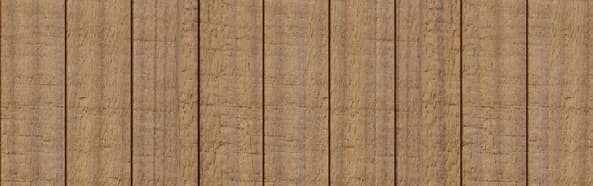
Understanding Thermally Modified Radiata
Thermally Modified Clear Radiata is selected for a clean visual field, then processed to enhance its stability. This modification reduces the wood's moisture response, making it suitable for exterior applications like cladding. Its understated grain provides a contemporary surface, which can be an advantage when aiming for a dark, uniform facade. The wood's natural tone is typically light, meaning any dark finish will be applied rather than inherent. This allows for flexibility in achieving specific dark hues.
The clear appearance and consistent grain of Thermally Modified Radiata make it a versatile material for modern, continuous installations. It can be custom milled for various applications, including slats, trim, and field profiles, offering design flexibility for a dark facade project.
Color Selection for a Dark Facade
Achieving a dark facade with Thermally Modified Radiata typically involves applying an opaque or semi-transparent finish. Opaque finishes provide a solid color, completely covering the wood grain, which can create a monolithic, modern look. Semi-transparent stains allow some of the wood's natural texture to show through, adding subtle depth while still achieving a dark tone. The choice between these depends on the desired aesthetic and how much of the wood's character you wish to retain.
When selecting a dark color, consider the undertones. Deep grays, charcoal, and true blacks are popular choices. Sample boards are crucial for evaluating how the color appears in different lighting conditions and against other building materials. A color that looks deep charcoal in indirect light might appear softer or have a blueish tint in direct sunlight.
Impact of Sun Exposure and Finish Durability
Dark colors absorb more solar radiation than lighter colors. On a facade, this can lead to higher surface temperatures, which may affect the longevity of certain finishes. Finishes designed for exterior use on dark colors often contain UV inhibitors to help mitigate the fading effects of sunlight. However, all exterior finishes will naturally weather over time, and dark colors may show fading or chalking more prominently than lighter ones.
Regular maintenance, including cleaning and reapplication of the finish as recommended by the manufacturer, is essential for preserving the appearance of a dark facade. The frequency of maintenance will depend on the specific finish used, the intensity of sun exposure, and local environmental conditions. For elevations with significant sun exposure, opting for high-quality, durable exterior finishes specifically formulated for dark hues can be beneficial.
Profile Selection for Visual Impact
The profile of the Thermally Modified Radiata cladding plays a significant role in the overall aesthetic of a dark facade. These profiles can enhance the depth of a dark color, creating distinct visual patterns as light changes throughout the day.
Other profiles, such as S4S E4E (Surfaced 4 Sides, Eased 4 Edges) in various dimensions (e.g., 5/4x6, 2x6, 1x8, 1x12), are versatile for decking, trim, and moulding. For a dark facade, using S4S E4E for trim elements can create a cohesive look or provide subtle contrast depending on the finish. The choice of profile influences how shadows are cast, which can either soften or sharpen the appearance of a dark surface.
Worked Example: Designing a Dark Facade for an Entryway
Consider a hypothetical entryway facade measuring 10 feet wide by 9 feet high.
1. **Area Calculation**: The facade area is 10 ft * 9 ft = 90 square feet.
Assuming a typical installed exposure of 5.25 inches (0.4375 feet) per board, each linear foot of board covers 0.4375 square feet. To cover 90 square feet, approximately 90 / 0.4375 = 205.7 linear feet of cladding are needed. Allowing for cuts and waste, purchasing 220-230 linear feet would be prudent.
3. **Finish Selection**: A premium exterior-grade opaque charcoal stain is chosen. This provides a uniform, deep color that minimizes the visibility of the wood grain, aligning with the modern aesthetic.
4. **Sun Exposure**: The entryway faces west, receiving intense afternoon sun. The chosen stain is specified for dark colors and includes robust UV protection. A maintenance schedule of cleaning every 1-2 years and re-staining every 5-7 years is planned, subject to visual inspection and manufacturer recommendations.
5. **Complementary Elements**: The dark facade is paired with a light-colored stucco on adjacent walls and a natural wood door to create contrast and highlight the entrance. The subtle shadow lines of the Nickel Gap profile will add texture to the deep charcoal surface.
Before you order
- Confirm the desired dark shade (e.g., charcoal, black, deep gray) and consider undertones.
- Evaluate opaque vs. semi-transparent finishes based on desired wood grain visibility.
- Obtain physical samples of Thermally Modified Radiata with chosen finishes to assess color in various lighting.
- Research finish specifications for UV protection and durability, especially for sun-exposed elevations.
- Select Thermally Modified Radiata profiles that enhance the dark aesthetic and desired shadow lines.
- Plan for regular cleaning and reapplication of finish to maintain the dark color and protect the wood.
- Consider how the dark facade will interact visually with adjacent building materials and landscaping.
Confirm installation details, approved uses and warranty terms in the current instructions for the exact product and profile. Your installer should verify the substrate, structure and applicable project requirements.
Questions to help you decide
Does Thermally Modified Radiata come in a natural dark color?
Thermally Modified Radiata has a natural light, consistent grain. To achieve a dark facade, it requires the application of an exterior-grade opaque or semi-transparent stain or paint. The thermal modification process itself does not inherently darken the wood to a charcoal or black tone, but it enhances stability, making it a suitable base for dark finishes.
How does a dark finish on Thermally Modified Radiata affect maintenance?
Dark finishes can show dirt, dust, and pollen more visibly than lighter colors. They also absorb more heat, which can accelerate the weathering process, potentially leading to fading or chalking over time. Regular cleaning and adherence to the finish manufacturer's reapplication schedule are important to maintain the aesthetic and protective qualities of a dark facade. The frequency of maintenance will depend on sun exposure and environmental factors.
What profiles are best for a dark facade?
For a dark facade, profiles that create distinct shadow lines can add visual interest and depth. S4S E4E (Surfaced 4 Sides, Eased 4 Edges) profiles can be used for trim or other architectural details to complement the main cladding. The best profile depends on the overall design intent and how you want light to interact with the dark surface.
Ready to Plan Your Dark Facade?
Request a material quote for Thermally Modified Radiata. Provide your project dimensions, desired profile, and ZIP code to confirm current availability and service options. Explore our full range of Thermally Modified Radiata products and related exterior materials.
Request a material quote →