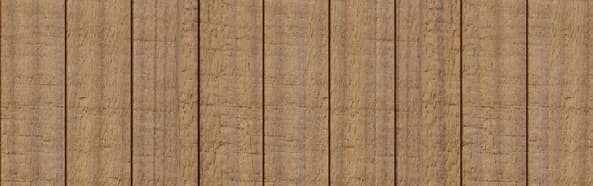
What is Thermally Modified Radiata?
Thermally modified Radiata starts with clear-grade Pinus radiata, a sustainably sourced softwood known for its consistent grain. The wood undergoes a high-temperature thermal modification process, which alters its cellular structure. This process reduces the wood's ability to absorb moisture, leading to improved dimensional stability and durability. The result is a material with a rich, uniform tone and a refined surface that can be suitable for visible applications.
The thermal modification process enhances the wood's resistance to environmental factors, making it a viable choice for areas that experience fluctuating humidity and temperature but are shielded from direct weather. Its clear appearance and consistent grain make it a suitable material for modern architectural lines, whether used as cladding, ceilings, or custom slat systems. The material's natural tone can also be maintained with appropriate finishes or allowed to age gracefully.
Why Choose Thermally Modified Radiata for Covered Walls?
For covered outdoor walls, thermally modified Radiata offers several benefits. Its improved stability means less expansion and contraction with changes in humidity, which can help maintain the integrity and appearance of the wall over time. This characteristic is particularly valuable in covered areas where temperature swings can still occur.
The clear, consistent grain of Radiata provides a modern, clean aesthetic. This can be especially effective for creating continuous visual lines on walls, soffits, or accent features within a covered outdoor space. The material’s ability to accept various finishes allows for customization, from enhancing its natural color to achieving a specific design vision. Because covered walls are not subject to the most severe weather, the inherent stability benefits of thermally modified wood are well-suited here without requiring the highest level of weather resistance needed for fully exposed facades.
Suitable Profiles and Applications
Thermally modified Radiata is available in profiles suitable for covered wall applications. For more detailed work or trim, "S4S E4E" (Surfaced Four Sides, Eased Four Edges) profiles, such as 1x8, 1x12, or 2x6 nominal sizes, can be used to coordinate with the main wall material or for structural details within the covered area. These profiles allow for flexibility in design, from sleek horizontal or vertical layouts to intricate slat systems.
Beyond traditional wall cladding, thermally modified Radiata can be integrated into other elements of a covered outdoor space. This includes soffits, ceiling panels, or custom millwork that complements the wall design. The consistent appearance across different profiles helps ensure a cohesive look throughout the project. It is important to confirm the exact profile and dimensions needed for your specific design vision.
Installation Considerations for Covered Walls
Even in covered areas, proper installation is crucial for the long-term performance of thermally modified Radiata. While protected from direct rain, these walls still require a robust substructure and appropriate fastening. Ensure the framing is plumb and level to support the cladding evenly. A vapor-permeable weather-resistive barrier (WRB) behind the cladding is generally recommended, even in covered applications, to manage any incidental moisture or condensation.
Fastening should follow manufacturer recommendations for spacing and type, typically using corrosion-resistant fasteners. Hidden fastening systems can contribute to a cleaner aesthetic. Allow for appropriate expansion and contraction gaps between boards and at corners, though the enhanced stability of thermally modified wood reduces these requirements compared to unmodified lumber. Always consult the specific installation instructions for the chosen profile and application.
Ensure adequate ventilation behind the cladding to prevent moisture accumulation. While covered, air circulation helps manage humidity and maintain the wood's stability. Consider the detailing around any openings, such as windows or doors, to ensure proper flashing and water management, even if the primary goal is protection from direct weather.
Project Example: Covered Patio Wall
Consider a hypothetical covered patio measuring 12 feet wide by 10 feet deep, with a back wall that is 8 feet high. This wall is entirely under the patio roof, protecting it from direct rain and sun.
The wall area is 12 feet * 8 feet = 96 square feet. For horizontal installation, an 8-foot-high wall would require 8 feet / 0.4583 feet per board = approximately 17.45 courses. Rounding up, 18 courses would be needed. Since the wall is 12 feet wide, and assuming standard 12-foot lengths are available, this would require 18 boards of 12-foot length. This equates to 18 boards * 12 feet/board = 216 linear feet of material. For purchase, it’s always prudent to add 10-15% for cuts, waste, and unforeseen issues, bringing the total to approximately 238-248 linear feet. This example assumes no windows or doors on this specific wall section.
Before you order
- Confirm the wall location is genuinely covered and protected from direct rain and prolonged sun exposure.
- Determine the desired aesthetic: clean lines, natural wood tone, or a specific finish.
- Select the appropriate thermally modified Radiata profile (e.g., Nickel Gap, S4S E4E) for the wall and any coordinating trim.
- Measure the total square footage of the covered wall area, accounting for any openings.
- Factor in waste for cuts and potential future repairs (typically 10-15% extra material).
- Plan for the substructure: ensure it is sound, plumb, and level.
- Consider the type of weather-resistive barrier and ventilation strategy for the wall assembly.
- Choose appropriate corrosion-resistant fasteners, considering visible vs. hidden options.
- Research compatible finishes or sealers if maintaining a specific color is desired.
- Verify local building practices or recommendations for covered outdoor wall cladding.
Confirm installation details, approved uses and warranty terms in the current instructions for the exact product and profile. Your installer should verify the substrate, structure and applicable project requirements.
Questions to help you decide
Can thermally modified Radiata be left unfinished on a covered wall?
Yes, thermally modified Radiata can be left unfinished. Over time, it will naturally weather to a silver-gray patina, similar to other wood species exposed to UV light. For covered walls, this weathering process may be slower and more uneven than on fully exposed surfaces. If you prefer to maintain its original warm tone, applying a UV-protective finish is recommended.
How does thermally modified Radiata compare to other wood options for covered walls?
Thermally modified Radiata offers enhanced stability compared to untreated softwoods, reducing movement and warping. Compared to some naturally durable hardwoods, it often provides a more consistent, clear grain appearance and can be a more cost-effective option while still offering improved performance in moisture-fluctuating environments. Its suitability for covered applications leverages its benefits without requiring the highest level of weather resistance needed for fully exposed facades.
What maintenance is required for thermally modified Radiata on a covered wall?
Maintenance depends on whether the wood is finished or left natural. For unfinished wood, occasional cleaning with a mild soap and water solution can remove dirt or mildew. If a finish is applied, periodic reapplication according to the product manufacturer's instructions will be necessary to maintain the color and protection. Regular inspection for any debris or signs of wear is always a good practice.
Ready to Transform Your Covered Outdoor Wall?
Request a material quote for your project. Provide your project dimensions, desired profile, and ZIP code to confirm current availability and service options for Thermally Modified Clear Radiata. We can help you plan the materials needed for your specific covered outdoor wall design.
Request a material quote →