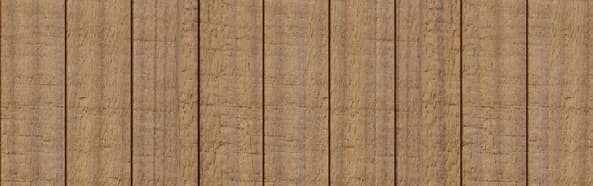
Understanding Thermally Modified Clear Radiata
Thermally Modified Clear Radiata is a wood product selected for its clear, consistent grain and then subjected to a high-heat modification process. This process is designed to enhance the wood's stability by reducing its moisture response, making it less prone to expansion and contraction compared to unmodified timber. This improved stability is beneficial for applications where consistent dimensions are important, such as exterior cladding, interior feature walls, or decking.
The clear appearance of Thermally Modified Radiata makes it suitable for contemporary designs that require continuous architectural lines. It is often specified for uses like ceilings, soffits, walls, and custom slat systems. For decking, it is typically available in S4S E4E profiles, and for trim and molding, in various S4S E4E sizes.
Product Data Sheets and Specifications
The product data sheet is your primary source for understanding the material's fundamental properties. It should detail the botanical name (Pinus radiata), origin (responsibly managed plantations), and the thermal modification process.
Key specifications to look for include density, moisture content, and any information regarding dimensional stability. This data provides a baseline for how the material should perform and can be used to cross-reference against project requirements or local conditions. It is also where you would find details on its 'clear appearance' and 'improved stability' benefits.
Installation Guidelines and Best Practices
Comprehensive installation guidelines are crucial for ensuring the longevity and performance of Thermally Modified Clear Radiata. These documents should cover recommended fastening methods, fastener types, and spacing, as well as instructions for handling and storing the material on-site. Details on proper ventilation, especially for cladding and soffit applications, are important to prevent moisture accumulation.
For decking, instructions on joist spacing and proper gapping between boards are essential for drainage and air circulation. For cladding, information on rainscreen assembly compatibility, corner details, and clearances at the base of walls will be critical for a successful installation. While specific movement joint recommendations may not always be listed, general guidance on accommodating wood movement should be sought.
Maintenance and Care Instructions
To preserve the appearance and performance of your Thermally Modified Clear Radiata, specific maintenance and care instructions are necessary. This documentation should outline recommended cleaning methods, suitable finishes or sealants, and the frequency of maintenance tasks. If the material is intended to weather naturally, the documentation might describe the expected appearance changes over time.
Understanding these requirements upfront allows you to plan for the long-term care of your project and ensures that any chosen finishes are compatible with the thermally modified wood. This is especially relevant for projects exposed to varying weather conditions, where different maintenance routines might apply.
Worked Example: Cladding a Small Facade
You've decided on a horizontal installation.
This would confirm its nominal dimensions and typical applications. Next, you'd need the installation guide. This guide would specify the required furring strip dimensions, spacing for a rainscreen gap, and the recommended fastener type (e.g., stainless steel screws or hidden clips) and spacing. It would also detail how to handle field cuts and corner transitions.
For the 10-foot width, you'd confirm if full 10-foot lengths are available or if you need to plan for butt joints. For the 8-foot height, the 1x6 profile (which has an actual coverage closer to 5 inches) would require approximately 8 feet * 12 inches/foot / 5 inches/board = 19.2 boards. You would purchase 20 boards to cover the height, assuming some waste from cuts. The installation guide would also provide crucial details on sealing cut ends.
Finally, you would review the maintenance instructions to understand how the cladding will weather and what cleaning regimen is recommended to maintain its desired appearance over time, especially if a specific finish is applied.
Before you order
- Have you requested the latest product data sheet for Thermally Modified Clear Radiata?
- Does the data sheet specify the botanical name, origin, and thermal modification process?
- Have you obtained the manufacturer's installation guidelines for your specific application (cladding, decking, trim)?
- Do the installation guidelines cover fastener types, spacing, and any required substructure or ventilation details?
- Are there specific instructions for handling cut ends, corners, and movement joints?
- Have you reviewed the recommended maintenance and care instructions?
- Are there details on expected weathering or specific finishes compatible with the material?
- Does the documentation address any specific requirements for your local building considerations or climate (e.g., coastal exposure, winter conditions)?
- Have you confirmed that the provided documentation is current and applies to the exact product you intend to purchase?
Confirm installation details, approved uses and warranty terms in the current instructions for the exact product and profile. Your installer should verify the substrate, structure and applicable project requirements.
Questions to help you decide
Why is documentation important for thermally modified radiata?
Documentation provides crucial details about the product's properties, performance, and proper installation methods. It helps ensure the material is suitable for your project, allows for correct installation to maximize longevity, and guides future maintenance. Without it, you risk improper application, potential performance issues, or challenges in addressing any future concerns.
What kind of profiles are typically available for Thermally Modified Clear Radiata?
The specific profiles and sizes can vary, so always refer to the current product catalog or data sheet.
Does Thermally Modified Clear Radiata require special fasteners?
Yes, installation guidelines for thermally modified wood often recommend specific types of fasteners, typically corrosion-resistant options like stainless steel screws or hidden clips. This is to ensure durability and prevent staining or degradation over time. Always consult the manufacturer's installation instructions for the exact recommendations for your chosen profile and application.
Request a Quote for Thermally Modified Clear Radiata
Ready to move forward with your project? Request a material quote today. Provide your project dimensions, desired profile, and ZIP code to confirm current availability and service options for Thermally Modified Clear Radiata.
Request a material quote →