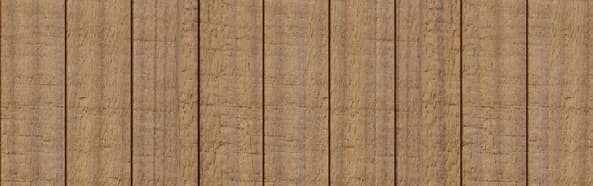
Understanding Thermally Modified Clear Radiata
Thermally Modified Clear Radiata begins as Pinus radiata, sourced from responsibly managed plantations. The wood undergoes a thermal modification process, which involves heating it to high temperatures in the absence of oxygen. This process alters the wood's cellular structure, resulting in improved stability and reduced moisture response compared to unmodified material. The 'Clear' designation indicates that the wood is selected for a cleaner visual field, offering a restrained surface with consistent grain.
Its natural tone and clear appearance make it a candidate for modern architectural lines, suitable for applications such as cladding, ceilings, decking, trim, and molding. The thermal modification process aims to enhance the wood's resistance to environmental factors, which is a key consideration for elevations exposed to specific conditions like those found in coastal areas.
However, it is important to note that 'improved stability' and 'reduced moisture response' do not equate to imperviousness. The material still requires careful detailing and appropriate finishing to perform optimally in demanding conditions.
Coastal Exposure: What to Consider
Coastal elevations are characterized by a combination of factors including high humidity, potential for salt spray, strong winds, and often intense UV radiation. These elements can accelerate weathering, promote fungal growth, and cause dimensional instability in less suitable materials. When planning with Thermally Modified Clear Radiata, it is crucial to assess the exact level of exposure.
Direct salt spray can be corrosive to certain fasteners and finishes, while persistent humidity can challenge even modified wood if proper ventilation and drainage are not implemented. Strong winds can also place additional stress on siding attachments. Therefore, the choice of profile, fastening system, and the overall wall assembly become more critical in these environments.
Suitable Profiles for Coastal Siding
Thermally Modified Clear Radiata is available in several profiles that can be adapted for siding applications. This profile creates consistent shadow lines and a modern aesthetic.
For trim and moulding, S4S E4E (surfaced four sides, eased four edges) profiles are available in nominal sizes such as 1 × 8, 1 × 12, and 2 × 6. These can be used to coordinate details around windows, doors, and corners, maintaining a cohesive look with the main siding. The flexibility for custom milling also allows for coordinating slats and other field profiles, which can be useful for integrating specific design elements or ventilation needs in a coastal setting.
When selecting profiles, consider how they will shed water and allow for air circulation behind the siding. A robust rainscreen assembly is often recommended for coastal environments to manage moisture effectively.
Fasteners and Hardware for Coastal Applications
The selection of fasteners is paramount for any exterior application, and even more so in coastal areas where corrosion is a significant concern. While Thermally Modified Clear Radiata itself offers improved stability, the fasteners that secure it must withstand salt and moisture without failing or staining the wood.
Avoid galvanized or coated fasteners unless they are specifically rated for extreme coastal exposure, as their protective layers can be compromised over time, leading to rust and potential material failure. Hidden fastening systems should also be evaluated for their corrosion resistance and ability to securely hold the siding against wind uplift.
Any exposed metal hardware, such as flashing, vents, or trim, should similarly be specified in corrosion-resistant materials, like stainless steel, copper, or marine-grade aluminum, to ensure longevity and prevent unsightly staining on the wood facade.
Installation Planning and Moisture Management
Effective moisture management is critical for Thermally Modified Clear Radiata in a coastal environment. A comprehensive rainscreen assembly is often the best approach. This involves creating a drained and ventilated air gap behind the siding, allowing any moisture that penetrates the outer layer to drain away and promoting drying.
Proper detailing at all penetrations (windows, doors, vents) and transitions (corners, base of walls, soffits) is essential. Flashing must be correctly installed to direct water away from the wall assembly. Maintain appropriate clearances, especially at the base of the wall, to prevent contact with grade or standing water. Manufacturer-specific installation guidelines regarding spacing, ventilation, and fastening patterns should be strictly followed.
While Thermally Modified Clear Radiata offers improved stability, it is still wood and will experience some movement with changes in humidity. Account for this movement during installation by following recommended expansion and contraction gaps, especially for horizontal installations.
Hypothetical Coastal Siding Project: Material Takeoff Example
Consider a single-story coastal residence with one elevation measuring 20 feet wide by 10 feet high, requiring Thermally Modified Clear Radiata siding. We will assume a simple rectangular wall with no windows or doors for this example to focus on the siding material.
The total wall area is 20 feet × 10 feet = 200 square feet. Each linear foot of this board would cover 0.458 square feet. To cover 200 square feet, you would need approximately 200 / 0.458 = 436.68 linear feet of siding.
Siding is typically sold in standard lengths, such as 8, 10, 12, or 16 feet. To minimize waste and ensure sufficient material for cuts and potential errors, an additional 10-15% overage is usually recommended. For 436.68 linear feet, adding 15% results in approximately 502 linear feet. If purchasing 16-foot boards, you would need 502 / 16 = 31.375 boards. This rounds up to 32 boards to ensure full coverage. This calculation provides the material quantity; however, a detailed cut plan considering board lengths and minimizing waste should be developed during project planning.
Before you order
- Assess specific coastal exposure: Is it direct salt spray, high humidity, or strong winds?
- Confirm the desired aesthetic and select appropriate Thermally Modified Clear Radiata profiles (e.g., Nickel Gap for siding).
- Plan for a robust rainscreen assembly with adequate ventilation and drainage behind the siding.
- Detail all flashing around windows, doors, and corners using corrosion-resistant materials.
- Ensure proper clearances at the base of the wall to prevent moisture wicking.
- Consult manufacturer installation guidelines for recommended spacing and fastening schedules.
- Consider the long-term maintenance requirements for finishes in a coastal environment.
Confirm installation details, approved uses and warranty terms in the current instructions for the exact product and profile. Your installer should verify the substrate, structure and applicable project requirements.
Questions to help you decide
Is Thermally Modified Clear Radiata suitable for direct marine exposure?
While Thermally Modified Clear Radiata offers improved stability and reduced moisture response compared to unmodified wood, it is not inherently designed for direct marine immersion or constant direct salt spray. It is suitable for coastal elevations where proper installation, including a rainscreen system and corrosion-resistant fasteners, can mitigate the effects of the environment. Always specify marine-grade hardware and finishes.
What type of finish should I use for Thermally Modified Clear Radiata in a coastal climate?
For coastal climates, choose a finish that offers strong UV protection and good resistance to moisture. Transparent or semi-transparent penetrating oils can enhance the wood's natural appearance while providing protection. Pigmented finishes will offer more UV resistance. Regular maintenance, including reapplication of the finish, will be necessary to preserve the wood's appearance and performance in demanding coastal conditions.
What are the benefits of using a rainscreen system with Thermally Modified Clear Radiata in a coastal area?
A rainscreen system is highly beneficial in coastal areas because it creates a ventilated air gap behind the siding. This gap allows any moisture that penetrates the outer siding layer to drain harmlessly away and promotes drying of the wall assembly. This reduces the risk of moisture accumulation, rot, and mold, contributing to the long-term durability and performance of the Thermally Modified Clear Radiata siding in a humid, exposed environment.
Ready to Plan Your Coastal Elevation with Thermally Modified Clear Radiata?
Request a material quote today. Provide your project dimensions, desired profile, and ZIP code to confirm current availability and service options for Thermally Modified Clear Radiata. Explore our full range of <a href="/thermally-modified-wood/radiata">Thermally Modified Clear Radiata</a>, <a href="/siding-and-cladding">siding and cladding</a>, and <a href="/thermally-modified-wood">thermally modified wood products</a>. We also offer <a href="/products/maximo-accoya">Maximo Accoya</a> and other premium materials from <a href="/brands/norx">NORX</a>.
Request a material quote →