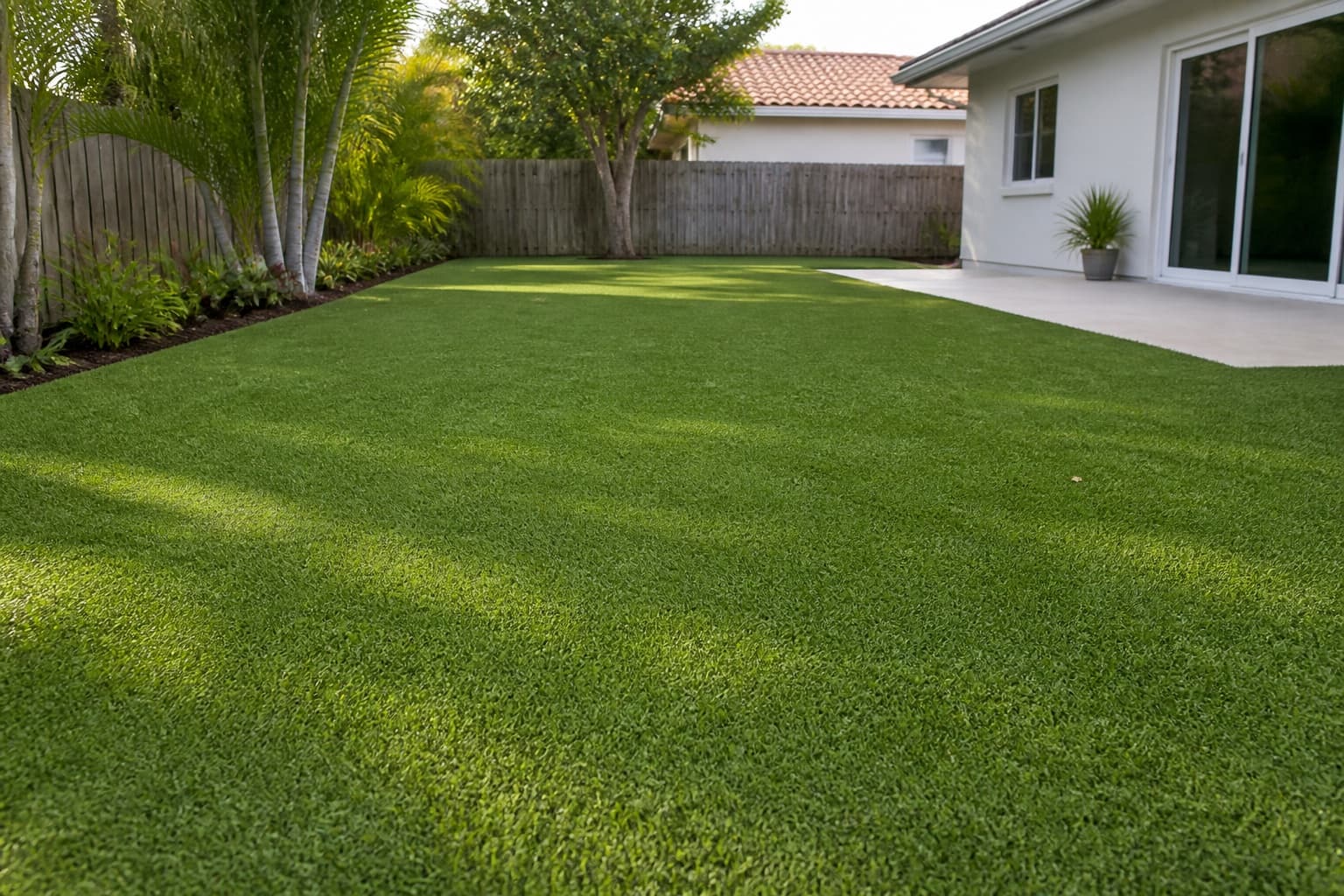
Understanding Artificial Turf and Winter Conditions
Artificial turf is constructed from synthetic fibers, typically polyethylene or polypropylene, woven into a backing material. These materials are engineered to be durable and resistant to environmental factors. When exposed to winter conditions, the turf itself does not freeze or die in the way natural grass might. Instead, the primary considerations are the accumulation of snow and ice, and the potential for compaction or damage from improper removal methods.
The design of artificial turf allows for drainage through perforations in the backing, which helps manage melting snow and ice. However, prolonged periods of freezing temperatures can lead to ice formation on the surface or within the infill. It's important to remember that while the turf is robust, harsh treatment during winter can still impact its appearance and longevity.
Preparing Your Artificial Turf for Winter
Before winter arrives, a few preparatory steps can help ensure your artificial turf is ready for colder weather. Start by thoroughly cleaning the turf of any debris, such as leaves, twigs, or dirt. This prevents organic matter from becoming trapped under snow and potentially causing drainage issues or fostering mildew when temperatures rise. A stiff broom or a leaf blower can be effective for this task.
Check that your drainage system is clear and unobstructed. Any blockages in the turf's sub-base or surrounding areas could lead to standing water, which will freeze and expand, potentially affecting the turf's stability. Ensure the infill material is evenly distributed across the turf. This helps maintain the upright position of the fibers and contributes to the turf's overall resilience against snow compaction.
Managing Snow Accumulation on Artificial Turf
When snow falls, your approach to removal can significantly impact the turf. For light snowfalls, often no action is needed; the snow will melt naturally as temperatures rise. The turf's drainage system is designed to handle this meltwater. For heavier snow, consider these methods:
**Natural Melting:** This is often the safest method. Allow the snow to melt on its own. The turf's fibers and infill are designed to withstand moisture and cold.
**Manual Removal (Light Snow):** For a few inches of snow, a plastic snow shovel can be used. Always push the snow in the direction of the turf's pile, and avoid using metal shovels or any sharp implements that could cut or tear the fibers or backing. Do not try to lift or pry frozen snow or ice.
**Manual Removal (Heavy Snow):** For deeper snow, a snow blower can be used, but with extreme caution. Set the blower's height adjustment to its highest setting to ensure the auger does not come into direct contact with the turf. Keep the blower moving to avoid prolonged contact in one spot, which could cause friction damage. Again, avoid trying to remove frozen layers.
**Avoid Chemical De-icers:** Do not use rock salt, calcium chloride, or other chemical de-icers on artificial turf. These chemicals can leave a residue that clogs drainage, damages the turf fibers, or alters the infill material. Sand can be used sparingly for traction on icy patches, but it should be thoroughly rinsed off once the ice melts to prevent infill contamination.
Dealing with Ice on Artificial Turf
Ice formation on artificial turf can be a concern. The best approach is often patience, allowing the ice to melt naturally. Attempting to chip away at ice with tools can easily damage the turf fibers or backing. If an area becomes particularly slick and presents a hazard, a light application of clean sand can provide temporary traction. Ensure any sand used is completely removed once the ice has melted to prevent it from mixing with your turf's infill.
Consider the underlying drainage. If ice is a persistent issue in one spot, it might indicate a localized drainage problem that should be addressed once warmer weather returns. Ensuring proper grading and a functional sub-base are crucial for preventing standing water that turns to ice.
Post-Winter Recovery and Maintenance
Once winter has passed and the snow and ice have completely melted, your artificial turf will benefit from some post-winter care. Begin by inspecting the turf for any debris that may have accumulated, such as leaves or dirt blown in by winter winds. Use a leaf blower or a stiff-bristled broom to clear these away.
Next, gently brush the turf fibers against their natural grain. This helps to stand the fibers upright after being matted down by snow and ice. This process also helps redistribute the infill material, ensuring it's evenly spread and continues to support the turf's appearance and drainage. Check for any areas where the infill might have shifted or become compacted and replenish if necessary. Finally, a light rinse with water can help clean away any lingering dust or residue from winter.
Worked Example: Managing Snow on a 500 sq ft Artificial Turf Lawn
Imagine you have a 25-foot by 20-foot artificial turf lawn, totaling 500 square feet, and a winter storm has just left 6 inches of snow. Here's how you might approach its winter care:
**Initial Assessment:** Is the snow light and fluffy, or heavy and wet? Are temperatures expected to rise soon? For a light, dry snowfall with warmer temperatures forecast, you might choose to do nothing and let it melt naturally.
**Moderate Snowfall (6 inches, dry):** If temperatures are staying low, you decide to remove some snow to make the area accessible. You retrieve a plastic snow shovel. You start at one edge and gently push the snow across the turf in the direction of the turf's pile, creating small piles at the perimeter of the lawn. You avoid scraping the shovel along the turf's surface and do not attempt to dig into any frozen sections. The process takes about an hour, and you leave a thin layer of snow on the turf to melt naturally, rather than trying to get every last bit.
**Icy Patches:** A week later, a refreeze creates some icy patches. You resist the urge to chip at the ice. Instead, you sprinkle a small amount of clean, dry sand over the slickest areas to provide temporary traction. You make a mental note to rinse these areas thoroughly with water once the ice melts to prevent the sand from mixing with the infill. You also plan to check drainage in those specific areas in spring.
This example highlights a cautious and systematic approach to winter turf care, prioritizing the turf's longevity and appearance over immediate, aggressive removal.
Before you order
- Assess snow depth and type (light/heavy, wet/dry).
- Check weather forecast for melting temperatures.
- Choose appropriate removal method (natural melt, plastic shovel, carefully adjusted snow blower).
- Avoid metal tools, sharp objects, and chemical de-icers.
- For ice, prioritize natural melting or use sand for temporary traction.
- After winter, inspect, brush, and rinse the turf.
Confirm installation details, approved uses and warranty terms in the current instructions for the exact product and profile. Your installer should verify the substrate, structure and applicable project requirements.
Questions to help you decide
Can I use a snow blower on artificial turf?
Yes, but with extreme caution. Set the snow blower to its highest possible height to avoid direct contact with the turf fibers and backing. Keep the blower moving and do not linger in one spot. Never use a metal auger directly on the turf, and avoid attempting to remove frozen layers.
Will snow and ice damage my artificial turf?
Generally, no. Artificial turf is designed to withstand cold temperatures, snow, and ice. The primary risk of damage comes from improper removal methods, such as using sharp tools, harsh chemicals, or aggressive scraping. Allowing snow and ice to melt naturally is often the safest approach.
How do I prevent ice from forming on my artificial turf?
Preventing ice completely can be challenging in freezing conditions. Ensuring proper drainage during installation is key to minimizing standing water that can freeze. After installation, keep the turf clean of debris, which can impede drainage. During winter, avoid over-watering the turf, and address any areas where water tends to pool before temperatures drop significantly.
Planning Your Artificial Turf Project?
Request a material quote with your project dimensions, desired turf profile, and ZIP code. Confirm current availability and service options for your area. We can help you compare our professional artificial turf options like the environmentally friendly turf for pets, the high-performance Wembley, the natural-looking Stanford, and the durable Anfield. Explore our selection at [https://www.lumberplus.com/turf](https://www.lumberplus.com/turf).
Request a material quote →