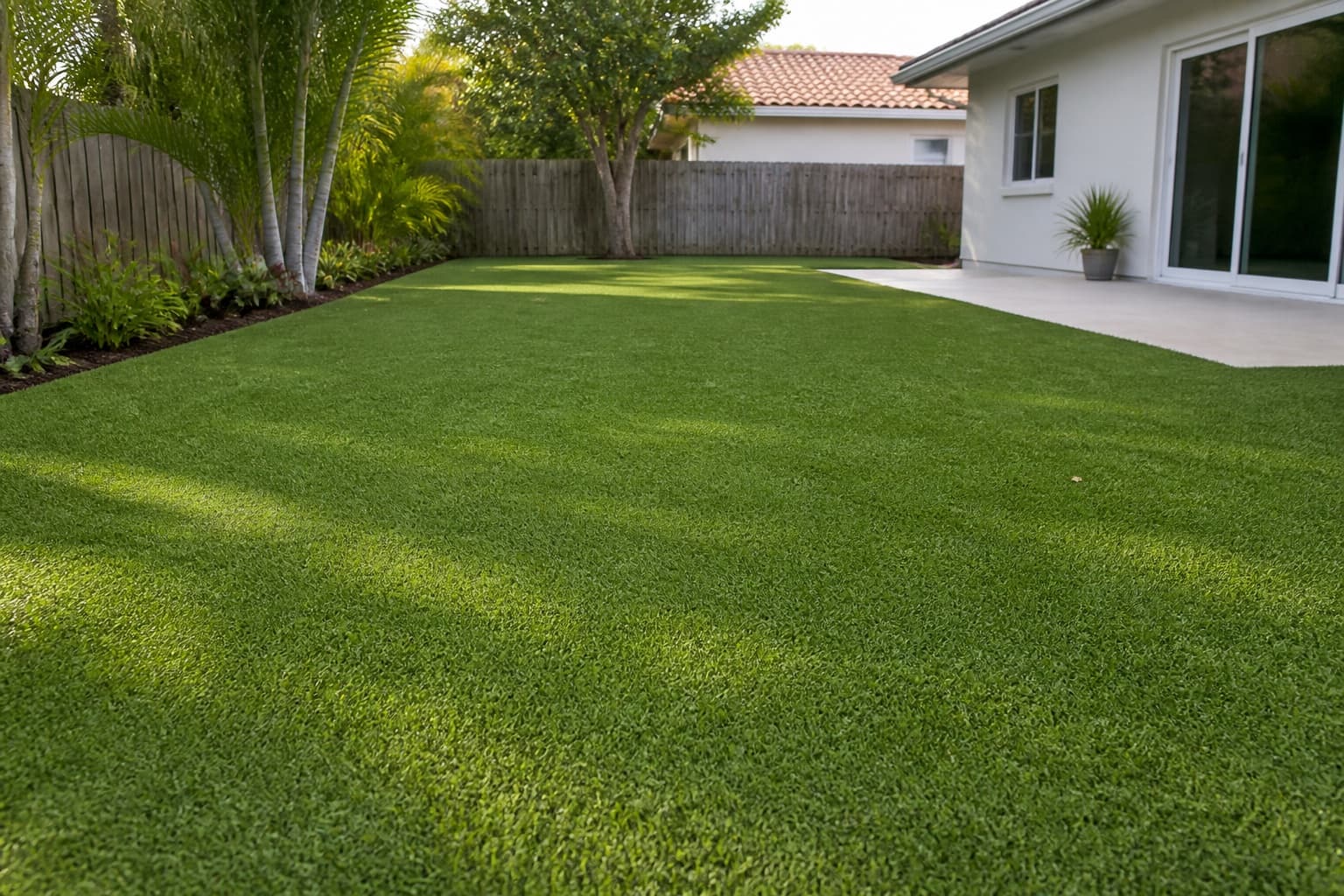
Understanding General Artificial Turf Maintenance
Artificial turf, while low-maintenance compared to natural grass, is not maintenance-free. Its care typically involves routine cleaning to remove debris, occasional brushing to maintain fiber uprightness, and specific attention to infill. The exact frequency and methods will depend on factors such as foot traffic, environmental conditions, and the presence of pets.
A proactive maintenance plan helps prevent issues like matted fibers, uneven infill distribution, and the accumulation of organic matter, which can all detract from the turf's appearance and function. Considering these tasks during the planning phase allows you to choose a product that suits your willingness and ability to maintain it.
Cleaning and Debris Removal
Regular removal of leaves, twigs, and other organic debris is a fundamental aspect of artificial turf maintenance. Accumulated debris can compress the turf fibers and, if left for extended periods, can decompose and create an environment for weeds or moss to grow. For general cleaning, a leaf blower, rake with plastic tines, or a stiff broom can be effective.
For tougher stains or spills, specific cleaning agents designed for artificial turf may be necessary. It's important to consult the product's care instructions for recommended cleaning solutions, as harsh chemicals can potentially damage the turf fibers or backing. Promptly addressing spills helps prevent them from setting.
Brushing to Maintain Fiber Appearance
Over time, foot traffic and general use can cause artificial turf fibers to lie flat. Brushing the turf periodically helps to restore the fibers to an upright position, enhancing its natural appearance and plush feel. The frequency of brushing depends largely on the amount of traffic the area receives.
Areas with high foot traffic, such as pathways or play areas, may require more frequent brushing than decorative sections. A power broom or a stiff-bristled push broom can be used for this task. Brushing against the grain of the fibers is generally recommended to lift them effectively. Lumber Plus offers professional artificial turf options like Wembley and Stanford, designed with resistance to wear and tear, which can influence brushing frequency.
Wembley combines performance and resistance to wear and tear, making it a choice for various indoor and outdoor projects. Stanford features a cross-section designed to make the turf look natural and dense, combining durability with its aesthetic.
Infill Management and Replenishment
Infill material, such as sand or rubber granules, is crucial for supporting the turf fibers, providing cushioning, and contributing to the turf's overall feel and stability. Over time, infill can settle, shift, or be displaced, particularly in high-traffic zones or after heavy rain.
Regularly checking the infill levels and redistributing or replenishing it as needed is an important maintenance task. This helps ensure consistent fiber support and prevents matting. Specific infill requirements vary by product and application, so refer to your chosen turf's specifications. Anfield, a graceful option, provides superb durability and brightness, which benefits from proper infill to maintain its appearance year-round.
Pet-Specific Maintenance Considerations
For pet owners, artificial turf offers a durable and easy-to-clean surface. However, additional maintenance steps are necessary to manage pet waste. Solid waste should be removed promptly, and the area rinsed with water. For liquid waste, regular rinsing is important to prevent odors. Specialized turf deodorizers or enzymatic cleaners can be used periodically to neutralize odors.
Ensuring adequate drainage beneath the turf is also critical for pet areas to allow liquids to pass through efficiently. The environmentally friendly choice for those enjoying the outdoors with pets, with its soft feel, works for pet-friendly projects.
Example: Planning Maintenance for a 400 sq ft Backyard
Consider a hypothetical 20-foot by 20-foot backyard (400 sq ft) with artificial turf, used by a family with two children and a dog. This space experiences moderate to high foot traffic and pet use. Here’s a sample maintenance plan:
Weekly: Use a leaf blower or plastic-tine rake to remove leaves, grass clippings from surrounding natural areas, and general debris. Promptly remove any pet solid waste and rinse the affected area with water.
Monthly: Inspect high-traffic zones (e.g., near a patio door or swing set) for matted fibers. Use a stiff-bristled push broom to brush these areas against the grain to lift the fibers. Check infill levels, especially in pet areas, and add more if needed.
Quarterly: Deep clean the entire turf area. This might involve a thorough rinse with a garden hose, followed by applying a pet-friendly enzymatic cleaner or deodorizer, allowing it to sit as per product instructions, and then rinsing again. Inspect seams and edges for any lifting or damage.
Annually: Consider hiring a professional turf cleaning service for a deep clean and infill redistribution, especially if you have a large area or heavy use. This helps ensure consistent performance and appearance over time. This plan helps manage the appearance and hygiene of the turf efficiently.
Before you order
- What is the expected foot traffic level in your turf area (low, moderate, high)?
- Will pets be using the artificial turf? If so, what is your plan for pet waste management and odor control?
- How much time are you willing to dedicate to routine cleaning (debris removal, rinsing)?
- Do you have access to or plan to purchase tools like a leaf blower, stiff broom, or power broom?
- Are you comfortable with periodically checking and replenishing infill material?
- What are the manufacturer's specific cleaning product recommendations for the artificial turf you are considering?
- How will seasonal debris (e.g., falling leaves, pine needles) from nearby trees be managed?
- What is your strategy for addressing potential stains or spills promptly?
- Have you considered the drainage requirements for your project, especially for pet areas?
- Are there any specific concerns related to your local climate (e.g., heavy rain, high humidity) that might impact maintenance?
Confirm installation details, approved uses and warranty terms in the current instructions for the exact product and profile. Your installer should verify the substrate, structure and applicable project requirements.
Questions to help you decide
How often should artificial turf be brushed?
The frequency of brushing depends on the level of foot traffic the turf receives. For areas with moderate use, brushing every 1-3 months may be sufficient. High-traffic areas, such as play zones or pathways, might benefit from more frequent brushing, perhaps monthly, to keep the fibers upright and maintain the turf's aesthetic. Always brush against the grain of the fibers for best results.
Can I use a regular vacuum cleaner on artificial turf?
Generally, a regular indoor vacuum cleaner is not recommended for artificial turf, especially if it uses a rotating brush that could damage the fibers or pull out infill. For debris removal, a leaf blower, a plastic-tine rake, or a stiff-bristled push broom are more appropriate tools. There are specialized outdoor vacuums designed for artificial turf that can be used if desired.
How do I deal with pet odors on artificial turf?
To manage pet odors, promptly remove solid waste and rinse the area thoroughly with water. For liquid waste, regular rinsing is essential. For persistent odors, use an enzymatic cleaner or a specialized artificial turf deodorizer. These products work to break down odor-causing bacteria rather than just masking them. Ensure proper drainage is in place to prevent standing liquids.
Ready to Plan Your Artificial Turf Project?
Request a material quote with your project dimensions, desired profile, and ZIP code to confirm current availability and service options. Our team can help you select the right artificial turf system for your needs, considering your maintenance preferences.
Request a material quote →