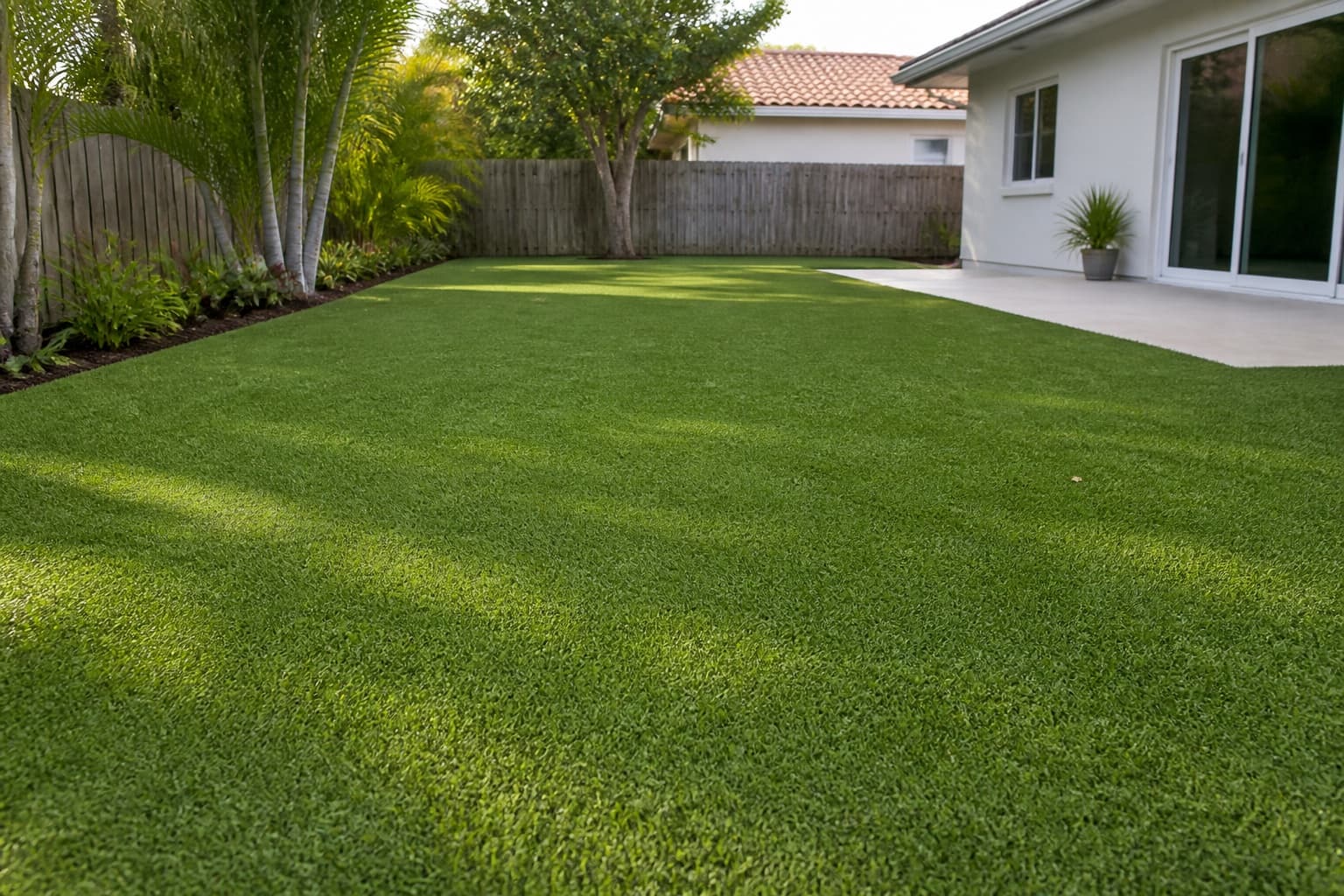
Assess Your Trees and Their Root Systems
Before any installation begins, thoroughly assess the trees in your project area. Different tree species have varying root structures; some have shallow, spreading roots while others have deeper, more contained systems. Surface roots can interfere with the artificial turf base, requiring adjustments to the installation plan.
Carefully examine the area around each tree for visible roots. Mark these areas and consider how they might impact the sub-base preparation and turf laying. Disturbing a tree's root system can compromise its stability and health, so it is crucial to plan around them rather than through them. Consulting with an arborist can provide valuable insights into the specific needs and root patterns of your trees.
Protecting Tree Trunks and Root Crowns
The area immediately surrounding the tree trunk, known as the root crown, is vital for a tree's health. Covering the root crown with artificial turf or an impermeable base can lead to moisture retention, fungal growth, and oxygen deprivation, potentially harming the tree.
It is essential to maintain a clear, open space around the base of each tree. This typically involves leaving a generous perimeter of natural soil or a permeable mulch ring around the trunk. The size of this perimeter will depend on the tree's maturity and species. This open area allows for proper air circulation, water absorption, and prevents direct contact between the turf and the tree trunk.
Managing Irrigation and Drainage
Trees require consistent access to water, and artificial turf can alter the natural drainage patterns in your yard. While artificial turf itself is permeable, the compacted base material beneath it can impede water penetration to tree roots if not properly designed. Ensure that your irrigation plan for the trees remains effective after turf installation.
Consider installing drip irrigation systems or strategically placed bubblers within the tree's drip line before installing the turf. This ensures that trees receive adequate water without over-saturating the artificial turf or causing runoff. The open perimeter around the tree trunk also facilitates water absorption directly into the root zone.
Planning for Leaf Litter and Debris
Trees naturally shed leaves, twigs, and other debris, which will accumulate on artificial turf. Unlike a natural lawn where debris can decompose or be mowed, artificial turf requires regular cleaning to maintain its appearance and prevent organic matter from breaking down and potentially clogging drainage.
Establish a routine for sweeping, blowing, or raking leaves and small branches from the turf surface. This is especially important during autumn or after windy conditions. Regular removal prevents the buildup of organic material, which could eventually lead to weed growth if left to decompose in the infill, or simply detract from the turf's clean appearance. Larger debris like fallen branches should be removed promptly to avoid damaging the turf fibers.
A Hypothetical Project: Turf Around a Mature Oak
Consider a project to install artificial turf in a 20-foot by 30-foot backyard with a single mature oak tree. The oak has a canopy spread of approximately 25 feet and visible surface roots extending about 8 feet from the trunk in several directions. The goal is to maximize usable turf area while protecting the tree.
First, an arborist recommends a 4-foot radius exclusion zone around the trunk for the root crown, meaning an 8-foot diameter circle where no turf or base material will be installed. This zone will be mulched. Additionally, the arborist identifies several prominent surface roots that cannot be cut or covered. These roots dictate a custom perimeter for the turf installation, curving around them.
The turf installation crew plans to prepare the sub-base, compacting it to create a stable foundation. However, within the 8-foot radius of the tree, the base preparation will be minimal to avoid disturbing roots, transitioning gently from the compacted turf base to the mulched tree well. A drip irrigation line will be installed within the mulched area, ensuring the oak receives water. The artificial turf, such as the Wembley option (available at /turf), will then be cut and seamed to fit the custom perimeter, ensuring a clean edge where it meets the mulched tree well and the areas around the protected surface roots. This approach minimizes root disturbance while achieving a functional turf area.
Before you order
- Assess tree species and root patterns.
- Identify and map all visible surface roots.
- Consult an arborist for guidance on root protection.
- Determine the appropriate exclusion zone around the tree trunk/root crown.
- Plan for tree-specific irrigation post-turf installation.
- Consider the impact of base material on tree root hydration.
- Establish a debris removal routine for leaf litter.
- Determine how turf edges will transition to the tree's natural area.
- Account for potential future tree growth and root expansion.
Confirm installation details, approved uses and warranty terms in the current instructions for the exact product and profile. Your installer should verify the substrate, structure and applicable project requirements.
Questions to help you decide
Can artificial turf harm my trees?
If not installed correctly, artificial turf can potentially harm trees. Covering the root crown, compacting soil excessively over roots, or disrupting natural drainage can lead to issues like root rot, oxygen deprivation, and overall stress to the tree. Proper planning and maintaining an adequate exclusion zone around the trunk are crucial for tree health.
How do I water my trees after installing artificial turf?
It is important to ensure your trees continue to receive adequate water. Consider installing a dedicated irrigation system, such as drip lines or bubblers, within the tree's drip line and within the un-turfed exclusion zone around the trunk. This allows water to penetrate directly to the roots without saturating the artificial turf.
Will leaves and debris from trees clog my artificial turf?
Leaves and other tree debris will accumulate on artificial turf. While they won't clog it in the same way they might a drain, if left to decompose, they can create a medium for weed growth within the infill and detract from the turf's appearance. Regular sweeping, blowing, or light raking is recommended to keep the turf clean.
Ready to Plan Your Artificial Turf Project Around Trees?
Request a material quote with your project dimensions, desired artificial turf profile, and ZIP code. Confirm current availability and service options for your location.
Request a material quote →