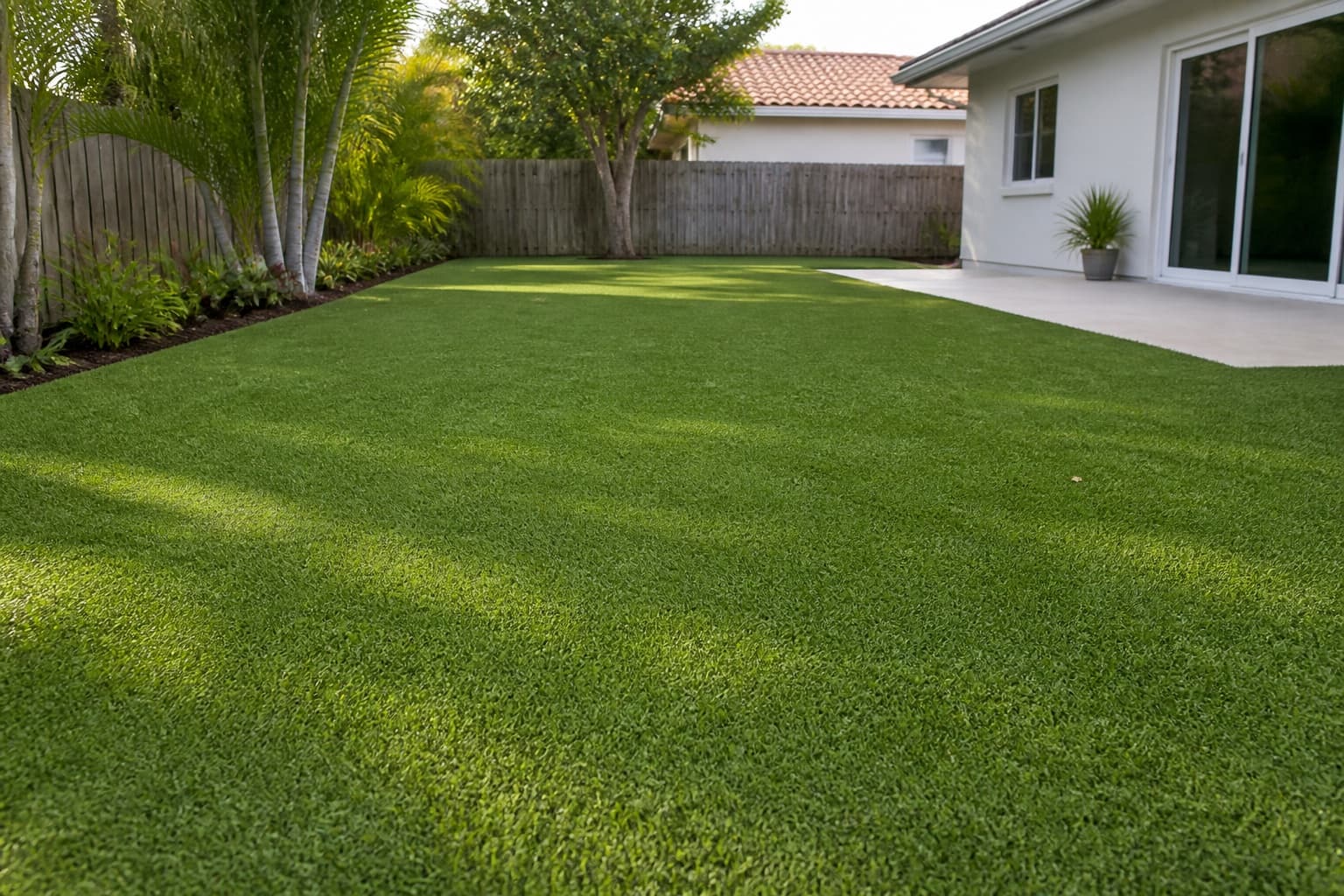
What is Artificial Turf Pile Height?
Pile height is a measurement of the length of the artificial grass fibers. It is typically expressed in millimeters or inches. This measurement is taken from the base of the turf, where the fibers are woven into the backing, to the very tip of the blades. A higher pile means longer blades, while a lower pile indicates shorter blades.
This dimension is a key factor in how the turf looks and feels underfoot. It also plays a role in how the turf stands up to foot traffic and its overall durability over time. When comparing samples, pay close attention to this specification as it's a fundamental aspect of the turf's design.
Short Pile Turf: Durability and Practicality
Artificial turf with a short pile height, generally ranging from 0.5 to 1.5 inches, is often chosen for its durability and ease of maintenance. The shorter blades are less prone to matting down, even under moderate to heavy foot traffic. This makes it an excellent choice for areas where functionality is a priority.
Consider short pile turf for pet runs, sports practice areas, or commercial applications where a neat, well-kept appearance must withstand frequent use. While it may not offer the same plush feel as longer pile options, its resilience and straightforward upkeep can be a significant advantage. It can also be easier to clean debris from shorter blades.
The Wembley artificial turf, for example, is noted for its performance and resistance to wear and tear, suggesting it would be suitable for applications where durability is key. Its characteristics align with what one would expect from a shorter pile, designed to withstand more active use.
Medium Pile Turf: Versatility for Residential Spaces
Medium pile turf, typically between 1.5 and 2.5 inches, strikes a balance between the durability of short pile and the lushness of long pile options. This range is frequently recommended for general residential landscapes, family backyards, and areas where both aesthetics and moderate activity are important.
A medium pile often offers a more natural, manicured lawn appearance without being overly delicate. It can comfortably accommodate children playing, casual entertaining, and general outdoor living. This versatility makes it a popular choice for homeowners seeking a low-maintenance, attractive lawn.
The Stanford collection, described as having a 'majestic cross-section that makes the turf look natural and dense,' combined with 'high durability,' fits well within the medium pile category. It aims to provide both a pleasing aesthetic and practical resilience for everyday enjoyment.
Long Pile Turf: Luxury and Natural Appearance
For those prioritizing a luxurious, natural grass appearance and a soft, plush feel, long pile turf (typically 2.5 inches and above) is often the preferred choice. The longer blades create a fuller, more established look, mimicking the appearance of a well-maintained natural lawn.
Long pile turf is ideal for decorative areas, low-traffic zones, or spaces where bare feet will frequently enjoy the soft texture. While it offers a superior aesthetic and comfort, it may be more prone to matting in high-traffic areas compared to shorter pile options. Regular brushing can help maintain its upright appearance.
Anfield turf, described as a 'graceful option to enjoy daily' with 'superb durability and a marvelous brightness,' suggests a product that leans towards a longer pile, offering a luxurious feel and aesthetic appeal for spaces where visual impact and comfort are paramount.
Worked Example: Selecting Pile Height for a Family Backyard
Consider a hypothetical family backyard measuring 20 feet by 30 feet (600 square feet) in a suburban setting. The family has two young children and a small dog. The yard will be used for play, outdoor dining, and general relaxation. They want a natural look but also need the turf to withstand active use.
**Decision Process:**
1. **Identify Primary Use:** Play area for children, dog relief, general family activities.
2. **Evaluate Traffic Level:** Moderate to high traffic due to children and dog.
3. **Prioritize Aesthetics vs. Durability:** A balance is needed; a natural look is desired, but durability is crucial for active use.
4. **Consider Pet Needs:** For a dog, shorter to medium pile heights are often easier to clean and resist matting from pet activity.
5. **Review Options:**
* **Short Pile (e.g., 1 inch):** Highly durable, easy to clean, but might not feel as soft or look as natural as desired for a main family area. Good for dedicated dog runs.
* **Medium Pile (e.g., 2 inches):** Offers a good balance of natural appearance, softness, and resilience for moderate to high traffic. Easier to maintain than very long piles, and generally pet-friendly.
* **Long Pile (e.g., 3 inches):** Very natural and soft, but might mat down more quickly with active children and a dog, requiring more frequent brushing.
**Recommendation:** For this family backyard, a medium pile artificial turf (1.75 to 2.25 inches) would likely be the most suitable choice. It provides a natural, inviting appearance, offers sufficient cushioning for play, and possesses the durability to handle daily family and pet activity without excessive maintenance. The Celtic option, noted for its 'soft feel' and suitability for 'all indoor and outdoor projects,' could be a candidate for this type of application, provided its pile height falls within this range.
Before you order
- What is the primary intended use of the artificial turf area?
- How much foot traffic will the area receive (low, moderate, high)?
- Is a natural, lush appearance more important than maximum durability?
- Will pets use the area? If so, is ease of cleaning a priority?
- Do you prefer a softer, more cushioned feel underfoot?
- Are you prepared for potential brushing to maintain the upright look of longer pile turf?
- Have you compared physical samples of different pile heights to assess feel and appearance?
Confirm installation details, approved uses and warranty terms in the current instructions for the exact product and profile. Your installer should verify the substrate, structure and applicable project requirements.
Questions to help you decide
Does pile height affect the cost of artificial turf?
Generally, turf with a longer pile height tends to be more expensive per square foot than turf with a shorter pile. This is because longer blades typically require more material to manufacture. However, other factors like fiber material, density, and backing also influence the overall cost.
How do I maintain different pile heights?
All artificial turf benefits from occasional brushing to keep the fibers upright and remove debris. Longer pile turf may require more frequent or thorough brushing to prevent matting, especially in high-traffic areas. Shorter pile turf generally requires less intensive maintenance to retain its appearance.
Can I use different pile heights in different areas of my yard?
Yes, it is possible and sometimes beneficial to use different pile heights in various zones of your landscape. For example, you might choose a shorter, more durable pile for a pet run and a longer, softer pile for a decorative, low-traffic lounging area. Ensure that transitions between different turf types are planned for a cohesive look.
Ready to Select Your Artificial Turf?
Request a material quote with your project dimensions, desired pile height, and ZIP code. Confirm current availability and service options for your area. We can help you compare professional artificial turf systems for residential, pet, and high-traffic applications. Ask a local branch for samples and project guidance to ensure you select the best pile height for your needs.
Request a material quote →