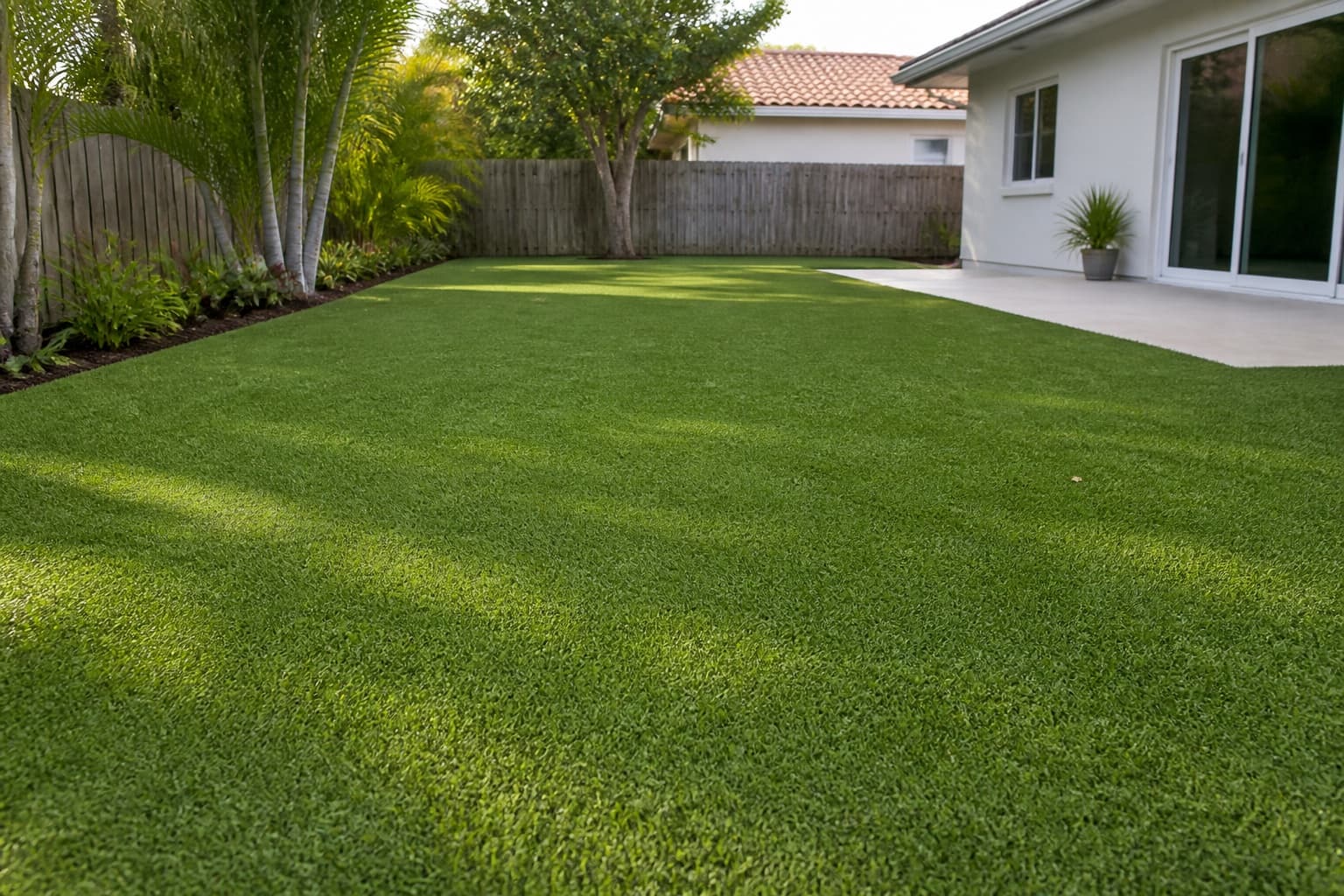
Why Edge Restraints Are Essential for Artificial Turf
Artificial turf, unlike natural grass, requires a stable perimeter to hold its shape and prevent movement. Edge restraints serve several key functions: they secure the turf, prevent lifting or shifting, and create a clean visual boundary.
Without proper edging, the turf's backing can be exposed to UV rays, leading to degradation over time. Additionally, foot traffic or environmental factors like wind can cause unsecured edges to curl or detach from the base.
The choice of edge restraint depends on the type of adjacent surface, the aesthetic desired, and the expected level of traffic. From discrete borders to more prominent decorative elements, each option provides a specific set of benefits for turf longevity and appearance.
Types of Edge Restraints for Artificial Turf
Several materials and profiles can be used to create effective edge restraints for artificial turf. Each offers distinct advantages for different project needs.
Flexible plastic or aluminum edging is a common choice for its ability to conform to curves and provide a low-profile finish. These are often staked into the ground and can be hidden beneath the turf's infill or the turf itself. They are suitable for projects where the turf meets garden beds, loose aggregates, or natural soil.
Concrete curbs or paver borders offer a more rigid and durable edge, ideal for high-traffic areas or where the turf abuts hardscaping like patios, walkways, or driveways. These provide significant stability and can also serve as a decorative element. When using pavers, ensure they are set on a stable base to prevent shifting.
Wood timbers or composite lumber can also be used, particularly for raised turf areas or to create a more rustic aesthetic. These should be treated for outdoor use and properly anchored to prevent movement. Their bulk can make them a prominent feature in the landscape.
Planning Transitions to Adjacent Surfaces
The way artificial turf transitions to surrounding areas is a key design consideration. A smooth transition minimizes tripping hazards and enhances the overall look of the installation.
When turf meets a hard surface like concrete or pavers, the goal is often to create a flush or near-flush finish. This typically involves setting the turf's base layer to the same height as the adjacent hardscape, allowing the turf to meet the edge restraint seamlessly. Using a thin, rigid edging material can help maintain this clean line.
For transitions to garden beds, mulch, or natural soil, a slightly raised edge can help contain the infill and prevent soil migration onto the turf. A flexible edging material is often preferred here, allowing for gentle curves and a less intrusive appearance.
Consider the drainage implications at transition points. Ensure that water can still drain away from the turf area and does not pool against the edging or adjacent surfaces. Proper grading of the base material beneath the turf is crucial for effective drainage.
Worked Example: Edging a Backyard Turf Area
Let's consider a hypothetical backyard project where artificial turf will be installed in an L-shaped area, measuring 10 feet by 15 feet overall, with a 5-foot by 5-foot section cut out of one corner. One long edge (15 feet) will meet an existing concrete patio, while the remaining perimeter (10 feet + 5 feet + 5 feet + 10 feet = 30 feet) will border a new gravel path and a garden bed.
For the 15-foot edge bordering the concrete patio, a low-profile aluminum edging would be suitable. This material can be set flush with the patio, providing a clean, durable line. The turf base would be prepared to match the patio height.
For the 30-foot perimeter bordering the gravel path and garden bed, a flexible plastic edging could be used. This allows for any gentle curves in the garden bed and helps contain the gravel. The edging would be installed slightly proud of the turf's surface to help retain infill and define the boundary. Stakes would secure the plastic edging into the ground.
The total length of edging required would be 15 feet for the aluminum and 30 feet for the plastic, totaling 45 linear feet. It is always advisable to purchase a small amount of extra material to account for cuts and potential adjustments during installation.
Considerations for Curved Edges and Irregular Shapes
Artificial turf projects often feature curved edges or irregular shapes to integrate with existing landscape elements. Planning for these contours is essential for a professional finish.
Flexible edging materials, such as specific plastic or aluminum profiles, are ideal for creating smooth curves. These materials can be bent to follow the desired shape without kinking or breaking. When laying out the curve, use a garden hose or spray paint to visualize the line before installing the edging.
For very tight radii or complex shapes, it may be necessary to use smaller sections of flexible edging or to make relief cuts in the edging material to allow it to conform. Always ensure that the edging is securely anchored along its entire length to prevent it from straightening out over time.
When cutting the artificial turf to match curved edges, use a sharp utility knife from the underside of the turf. Take care to follow the contour of the installed edging precisely for a clean, tight fit. Any gaps between the turf and the edging can lead to exposed backing or infill loss.
Before you order
- What type of adjacent surface will the turf meet (concrete, pavers, soil, gravel, garden bed)?
- What aesthetic is desired for the edge (hidden, low-profile, decorative, prominent)?
- What is the expected level of foot traffic in the area?
- Does the edge need to accommodate curves or irregular shapes?
- How will drainage be managed at the transition points?
- What material properties are important (durability, flexibility, UV resistance)?
- Have you measured the total linear footage of all edges, adding a contingency for cuts?
- Are tools and fasteners for the chosen edging material available?
- Will the edging material require special installation techniques or equipment?
- Does the chosen edging integrate with the overall design of your outdoor space?
Confirm installation details, approved uses and warranty terms in the current instructions for the exact product and profile. Your installer should verify the substrate, structure and applicable project requirements.
Questions to help you decide
Can I install artificial turf without any edging?
While it might seem possible, installing artificial turf without proper edging is generally not recommended. Edging provides crucial stability, preventing the turf from shifting, lifting, or wrinkling over time. It also protects the turf's backing from environmental exposure and helps contain the infill material, contributing to the longevity and appearance of your investment. Without it, the turf's edges can become vulnerable to damage and look unfinished.
What is the best type of edging for a pet area?
For pet areas, durability and ease of cleaning are important. Rigid options like concrete curbs or pavers can provide excellent stability and are easy to clean. If using flexible plastic or aluminum edging, ensure it is securely anchored and that the turf is tightly installed against it to prevent pets from digging or lifting the edges. The goal is to create a robust barrier that can withstand active use and simplify maintenance.
How do I ensure my turf's edge is flush with a patio?
To achieve a flush edge with a patio, careful preparation of the turf's base layer is key. The compacted base material beneath the turf should be brought up to a level that, once the turf is laid, its surface sits flush or very slightly below the patio surface. A low-profile, rigid edging material like aluminum or specific plastic profiles can be installed first, securing it to the ground. Then, the turf is cut precisely to fit tightly against this edging, creating a seamless transition. This often requires precise measurements and careful cutting.
Ready to Plan Your Artificial Turf Project?
Request a material quote with your project dimensions, desired turf profile, and ZIP code. Confirm current availability and service options for your artificial turf and edging needs. Explore our professional artificial turf systems, including options for residential, pet, and high-traffic applications: Artificial Turf Systems.
Request a material quote →