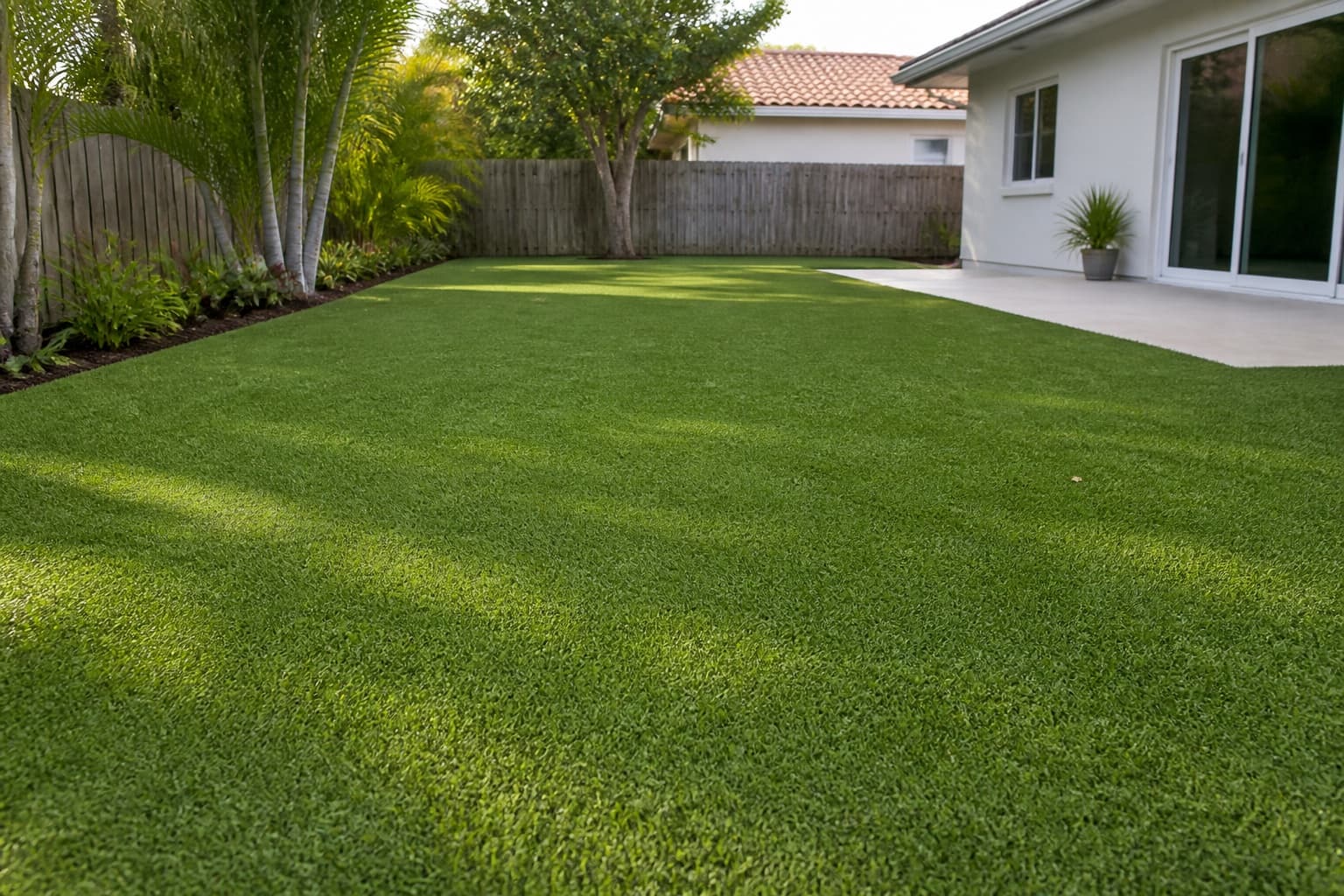
Understanding Artificial Turf Roll Dimensions and Weight
Artificial turf is typically delivered in large, heavy rolls. These rolls vary in width, often between 12 to 15 feet, and can be up to 100 feet long. The weight of a single roll can range from several hundred to over a thousand pounds, depending on the pile height, density, and backing material. These dimensions and weights are crucial factors when planning for delivery and handling.
For example, a standard 15-foot wide roll of turf designed for high-traffic areas, like the Wembley or Stanford options, can be very dense and heavy. Its size and weight necessitate specific equipment for offloading and maneuvering on site. Understanding these physical characteristics is the first step in preparing your project for arrival.
Always confirm the exact dimensions and estimated weights of the specific artificial turf products you order with your supplier. This information will directly influence your logistical planning.
Planning for Delivery: Access and Offloading
Delivery logistics are paramount. Consider the path the delivery truck will take to your property. Are there any width or height restrictions, such as low-hanging branches, narrow gates, or tight turns? Large delivery vehicles, especially flatbed trucks carrying long rolls of turf, require ample space to maneuver.
Once the truck reaches your property, plan for how the turf will be offloaded. Most artificial turf rolls are too heavy to be manually unloaded by one or two people. You might need to arrange for a forklift, bobcat, or other heavy lifting equipment on site, or confirm if the delivery service includes specialized unloading equipment, such as a truck-mounted forklift.
Ensure there's a clear, level area for the truck to park and for the turf to be safely transferred from the vehicle to a designated staging area. This area should be free of obstacles and easily accessible. Communication with your delivery driver or dispatch prior to arrival can help identify potential issues and ensure a smoother process.
On-Site Storage Best Practices
Proper storage of artificial turf before installation is vital to prevent damage and maintain its quality. Turf rolls should be stored horizontally, ideally elevated off the ground, to prevent moisture absorption from the soil and to maintain the integrity of the pile.
Choose a storage location that is dry, level, and protected from direct sunlight and extreme weather conditions. While artificial turf is designed for outdoor use, prolonged exposure to harsh elements while rolled up can affect its backing or cause the fibers to flatten unevenly. If outdoor storage is unavoidable, cover the rolls with a waterproof tarp, ensuring good airflow to prevent condensation.
Keep the turf rolls away from heavy foot traffic, construction debris, or any sharp objects that could puncture or tear the material. Storing the turf close to the installation area, but out of the way of ongoing site preparation, can also minimize handling and reduce the risk of damage.
Jobsite Access and Material Movement
Beyond initial delivery, consider how you will move the heavy turf rolls from the storage area to the actual installation site. If the installation area is in a backyard with limited access, you may need to plan for a path wide enough for a turf dolly or even a small utility vehicle.
For larger projects, or those with complex layouts, consider cutting the rolls into more manageable sections in a staging area before moving them. This can make transport easier, but it requires careful measurement and planning to minimize waste and ensure proper seam placement.
Ensure that the path from storage to installation is clear of obstacles, debris, and any freshly prepared sub-base that could be damaged by heavy rolling or dragging. Protecting adjacent landscaping or structures during material movement is also important.
Worked Example: Backyard Turf Project
Let's consider a hypothetical backyard project requiring 600 square feet of artificial turf, using a 15-foot wide roll of Wembley turf. The project area is 20 feet by 30 feet.
Assuming the turf comes in a 15-foot by 40-foot roll (600 sq ft), this single roll weighs approximately 500-700 pounds. The delivery truck needs to access a driveway that is 10 feet wide. The path from the driveway to the backyard involves a 5-foot wide gate and a slight incline.
For delivery, we'd confirm with the supplier that the truck can navigate a 10-foot wide driveway. We would arrange for a small forklift or a team of at least four strong individuals with a turf dolly to offload the roll from the truck. The roll would be temporarily stored on a level, paved section of the driveway, elevated on wood blocks and covered with a tarp.
To move the roll to the backyard, it would be carefully unrolled and cut into two 15-foot by 20-foot sections in the driveway staging area. Each 15x20 section (approx. 250-350 lbs) would then be moved through the 5-foot gate using a heavy-duty turf dolly, ensuring the path is clear and protected. This approach manages the weight and size, making transport feasible while minimizing potential damage to the turf or surrounding property.
Before you order
- Confirm exact turf roll dimensions and estimated weight from your supplier.
- Assess delivery truck access: street width, overhead clearances, turning radius.
- Plan for offloading equipment: forklift, truck-mounted lift, or manual labor assistance.
- Identify a suitable on-site storage location: level, dry, protected from elements and traffic.
- Ensure the storage area is elevated off the ground (e.g., using pallets or wood blocks).
- Prepare a waterproof covering for outdoor storage.
- Map the path from storage to the installation area, checking for obstacles and narrow points.
- Determine if turf rolls need to be cut into smaller sections for easier movement on site.
- Protect surrounding landscaping and structures during material handling.
- Communicate all site access and handling plans with your delivery service and installation team.
Confirm installation details, approved uses and warranty terms in the current instructions for the exact product and profile. Your installer should verify the substrate, structure and applicable project requirements.
Questions to help you decide
How heavy are artificial turf rolls?
The weight of artificial turf rolls varies significantly based on the product's pile height, density, and backing. A standard 15-foot wide roll can weigh anywhere from a few hundred pounds to over a thousand pounds. Always confirm the specific weight with your supplier for accurate planning.
Can I store artificial turf rolls upright?
It is generally recommended to store artificial turf rolls horizontally. Storing them upright for extended periods can put stress on the backing and fibers, potentially leading to creases or uneven flattening of the pile. If upright storage is unavoidable for a very short duration, ensure the roll is securely supported to prevent it from tipping over.
What if my delivery truck can't access my backyard?
If the delivery truck cannot reach your backyard directly, plan for a staging area in a more accessible location, such as your driveway or front yard. From there, you will need to manually transport or use equipment to move the turf to the installation site. You may need to unroll and cut the turf into smaller, more manageable sections at the staging area before moving them through narrower access points.
Ready to Plan Your Artificial Turf Project?
Provide your project dimensions, desired artificial turf profile, and ZIP code to request a material quote. We can help confirm current availability and service options for your location.
Request a material quote →