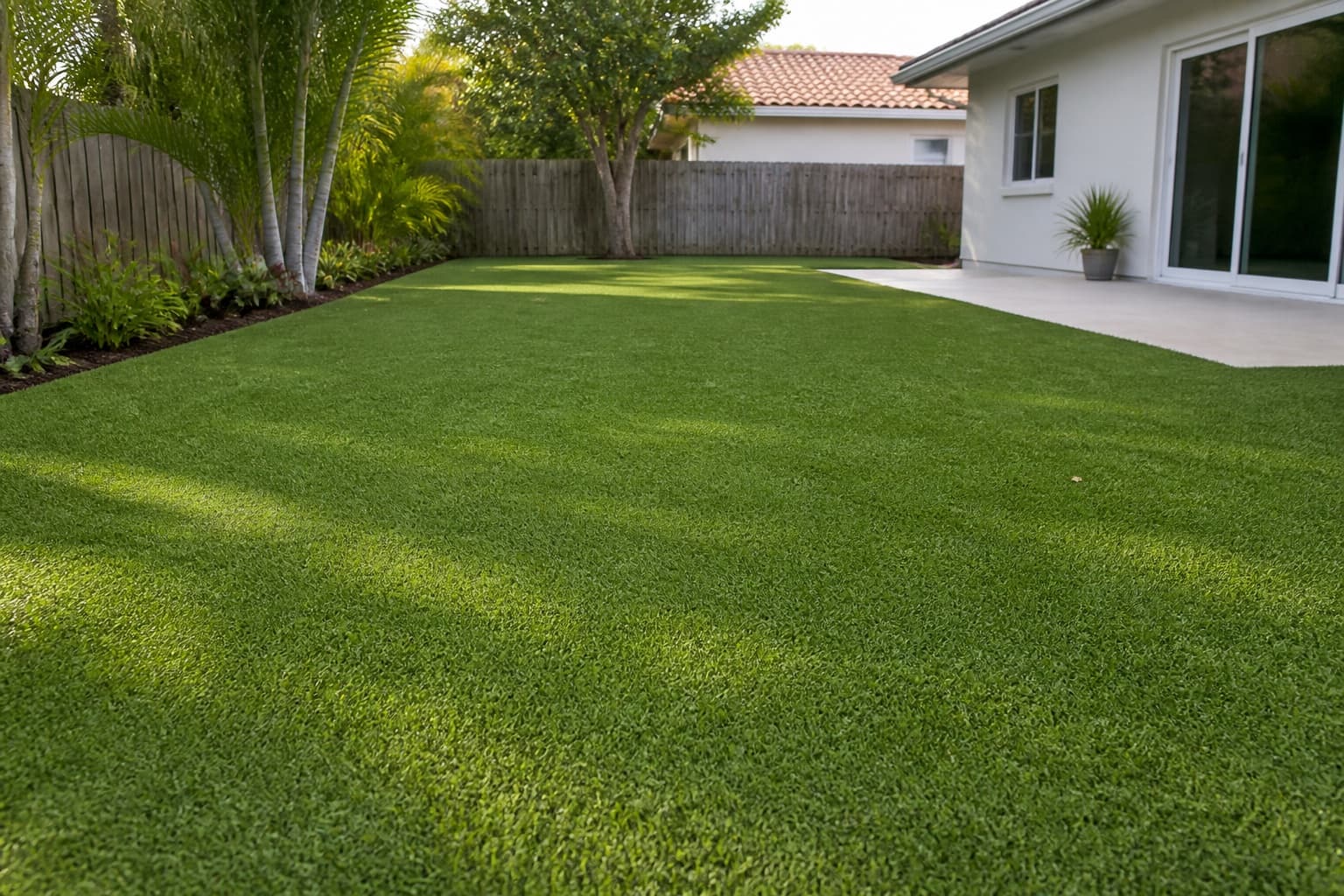
Understanding Your Artificial Turf's Composition
Before applying any cleaning solution or method, it's crucial to know the specific composition of your artificial turf. Different turfs may feature varying fiber materials, backing types, and infill. For example, some turfs are designed for high-traffic areas, while others prioritize a soft feel for residential use. The 'Wembley' turf, for instance, is noted for its performance and resistance to wear and tear, suggesting it might tolerate more robust cleaning than a softer, more delicate option.
Always refer to the manufacturer's care instructions or product documentation for your specific turf. This documentation will specify recommended cleaning agents, acceptable tools, and any materials to avoid. Using incompatible cleaners can lead to discoloration, fiber damage, or even compromise the drainage properties of the turf.
Routine Cleaning for General Upkeep
Regular, gentle cleaning is the most effective way to prevent dirt buildup and maintain the aesthetic appeal of artificial turf. For general debris like leaves, twigs, and dust, a stiff-bristled broom or a leaf blower is typically sufficient. Brushing helps to stand the turf fibers upright, which can become matted over time, especially in areas with foot traffic. For larger areas, a power broom designed for artificial turf can be a useful investment.
Rinsing the turf with a garden hose periodically helps remove dust and minor surface grime. This is particularly useful in dry climates or after periods of heavy pollen. Ensure that your turf has adequate drainage to prevent water pooling, which can lead to other issues. The goal is to gently wash away loose particles without harsh scrubbing or chemical intervention.
Addressing Spills and Stains Effectively
Spills on artificial turf should be addressed promptly to prevent staining. For liquid spills, blot the area immediately with an absorbent cloth. Avoid rubbing, as this can spread the stain. Once the excess liquid is removed, rinse the area with water.
For more stubborn stains, such as food spills, pet accidents, or drink marks, a mild detergent solution can be used. Mix a small amount of dish soap with water. Apply the solution to the stained area, gently scrub with a soft brush or cloth, and then thoroughly rinse with clean water. Ensure all soap residue is removed to prevent it from attracting dirt. For pet-specific odors, specialized artificial turf cleaners are available that contain enzymes to break down organic matter without harming the turf fibers.
Cleaning for Specific Applications: Pets and High Traffic
Artificial turf designed for pet applications, such as the 'Professional Artificial Turf Systems' mentioned for pet use, often has enhanced drainage and antimicrobial properties. However, regular cleaning is still essential to manage odors and maintain hygiene. For pet waste, remove solids, then rinse the area thoroughly with water. For persistent odors, an enzymatic cleaner specifically formulated for pet turf is recommended. These cleaners neutralize odors at the source rather than just masking them.
High-traffic turfs, like 'Wembley' or 'Anfield,' are built for durability. While they can withstand more use, they are also prone to greater compaction and dirt accumulation. Regular brushing is crucial to keep the fibers erect and prevent matting. For heavy dirt, a gentle pressure wash (using a wide fan nozzle and low pressure) can be used, but always test on an inconspicuous area first and maintain a safe distance to avoid damaging the fibers or dislodging infill. Never use a high-pressure, concentrated stream directly on the turf.
Tools and Products to Use and Avoid
Recommended tools include a stiff-bristled broom, a leaf blower, a garden hose with a spray nozzle, and absorbent cloths. For heavier cleaning, a power broom or a low-pressure washer can be considered. When it comes to cleaning solutions, mild detergents, enzymatic pet odor removers, and plain water are generally safe.
It is important to avoid abrasive brushes or metal rakes, as these can damage turf fibers. Harsh chemicals, such as bleach, strong acids, or petroleum-based solvents, should never be used on artificial turf unless explicitly approved by the manufacturer. These can cause discoloration, degrade the material, or compromise the backing. Also, be cautious with hot water or steam cleaners, as excessive heat can deform or melt synthetic fibers.
A Hypothetical Cleaning Scenario: Backyard Pet Area
Consider a 10-foot by 15-foot backyard artificial turf area, specifically chosen for a family with a dog, using a turf type similar to the 'Professional Artificial Turf Systems' option. The primary cleaning challenge is managing pet odors and occasional muddy paw prints after rain.
Weekly: Use a leaf blower to clear any fallen leaves or light debris. Give the entire area a thorough rinse with a garden hose to wash away dust and dilute any residual pet urine. After rinsing, use a stiff-bristled broom to lightly brush the turf against the grain, helping the fibers stand upright.
Monthly: After the weekly rinse, apply an enzymatic pet odor neutralizer to areas frequently used by the dog. Follow the product instructions for dilution and application, typically involving spraying the solution and allowing it to air dry. For any visible muddy paw prints, gently scrub with a mixture of mild dish soap and water, then rinse thoroughly. This routine helps maintain hygiene and keeps odors at bay without harsh chemicals.
Before you order
- Identify your specific artificial turf product and consult its manufacturer's care guide.
- Determine the primary cleaning challenges: general debris, pet waste, food spills, or heavy traffic.
- Select appropriate tools: stiff broom, leaf blower, garden hose, power broom (if applicable).
- Choose compatible cleaning agents: mild soap, enzymatic pet cleaner, plain water.
- Test any new cleaning product or method on an inconspicuous area first.
- Establish a routine for general upkeep (e.g., weekly rinse and brush).
- Prepare for immediate treatment of spills to prevent staining.
Confirm installation details, approved uses and warranty terms in the current instructions for the exact product and profile. Your installer should verify the substrate, structure and applicable project requirements.
Questions to help you decide
Can I use a pressure washer on my artificial turf?
A pressure washer can be used on artificial turf, but with significant caution. Always use a wide fan nozzle and a low-pressure setting. Maintain a safe distance from the turf surface to avoid damaging the fibers or dislodging the infill. It is crucial to test a small, inconspicuous area first and consult your turf's manufacturer guidelines, as some turfs may be more sensitive to pressure washing than others. Never use a concentrated, high-pressure stream.
How do I remove pet odors from artificial turf?
For pet odors, start by removing any solid waste and rinsing the area thoroughly with water. For persistent odors, use an enzymatic cleaner specifically formulated for artificial turf and pet waste. These cleaners break down the organic compounds causing the odor, rather than just masking them. Apply according to the product instructions, ensuring the cleaner penetrates the turf and infill. Regular rinsing and brushing also help prevent odor buildup.
What should I do if my artificial turf gets stained?
Address stains immediately. For liquid spills, blot the area with an absorbent cloth; avoid rubbing. Rinse with water. For more stubborn stains like food, drinks, or oil-based substances, use a mild detergent mixed with water. Apply the solution, gently scrub with a soft brush or cloth, and then rinse thoroughly with clean water to remove all soap residue. Always avoid harsh chemicals like bleach or strong solvents, as these can damage the turf fibers and backing.
Ready to Plan Your Artificial Turf Project?
Request a material quote with your project dimensions, desired turf profile, and ZIP code. We can help you confirm current availability and service options for your specific needs.
Request a material quote →