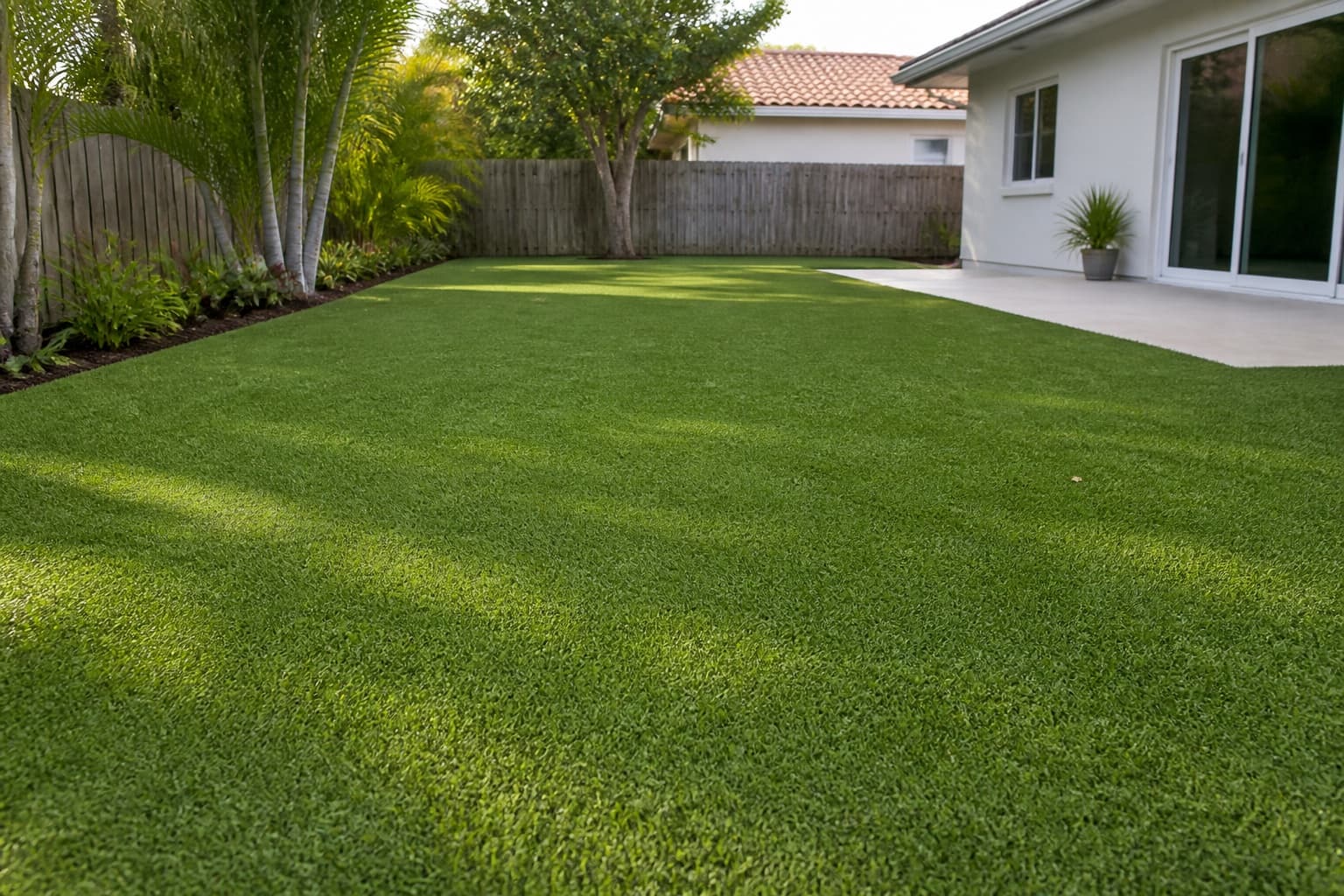
Understanding Your Family's Needs and Activities
Before selecting an artificial turf product, consider how your family uses the outdoor space. Do children primarily engage in gentle play, or is there frequent running, jumping, and ball games? Will the area be used for picnics, pet play, or hosting gatherings? The intensity and type of activity will influence the recommended turf characteristics.
For example, a space dedicated to active play might benefit from a turf designed for higher foot traffic and resilience. If the area is also used by pets, integrating features suitable for pet waste management would be a priority. Clearly defining these needs upfront will guide your product selection and installation planning.
Selecting the Right Artificial Turf Product
Lumber Plus offers several artificial turf options, each with distinct characteristics that might suit different family needs. The choice often comes down to balancing durability, appearance, and specific use cases.
Consider the Wembley artificial turf for areas experiencing significant activity. It is described as combining performance and resistance to wear and tear, making it a suitable option for active family spaces. For a natural and dense appearance, the Stanford collection offers high durability and a consistent green color. If a graceful option with superb durability and brightness is preferred, Anfield is another choice to consider. The Celtic option is noted for its soft feel, making it suitable for both indoor and outdoor projects, which could be relevant for children's play areas.
It's helpful to compare these options based on their listed attributes to match them with your family's activities. For instance, Wembley's emphasis on "resistance to wear & tear" could be a key factor for a high-traffic play zone, while Celtic's "soft feel" might be prioritized for younger children's areas. Always refer to the specific product details for the most accurate information on suitability.
Pile Height and Infill for Comfort and Play
Pile height refers to the length of the turf blades. For family areas, especially those with children, a medium pile height (typically between 1.5 to 2 inches) often provides a good balance. Shorter piles can be more resilient to heavy foot traffic and easier to clean, while longer piles can offer a softer feel and a more lush appearance.
Infill material, such as sand or rubber granules, is spread between the turf blades. It helps the blades stand upright, adds cushioning, and can contribute to the turf's overall durability. For children's play areas, the type and amount of infill are important for both comfort and stability. Always follow manufacturer recommendations for infill to ensure proper performance and longevity of the turf system.
Planning for Drainage and Base Preparation
Effective drainage is crucial for any outdoor area, particularly where children play. A properly installed artificial turf system should allow water to drain efficiently, preventing puddles and ensuring the area dries quickly after rain. This involves careful preparation of the base layer beneath the turf.
The base typically consists of compacted aggregate layers that promote water flow. Ensuring a slight slope away from structures can further aid drainage. Without adequate drainage, water can collect, potentially leading to odors or uneven surfaces over time. Consult product guidelines for specific base preparation and drainage requirements.
For areas that might experience heavy use or spills, considering an enhanced drainage system or a permeable base material could be beneficial. This proactive planning helps maintain a clean and usable play space.
Considering the Edges and Seams
The edges and seams of an artificial turf installation are critical for both aesthetics and durability. For family spaces, well-secured edges prevent tripping hazards and ensure the turf remains in place, even with vigorous play. Seams should be carefully joined and invisible to create a continuous, natural-looking surface.
Common edging solutions include securing the turf to a border, such as concrete, pavers, or a treated lumber frame. For areas with curves or irregular shapes, flexible edging materials may be used. Professional installation often includes specialized seaming tape and adhesive to create strong, undetectable joins between turf rolls. Poorly executed seams can lift, creating trip hazards or allowing weeds to grow through, so attention to detail here is important.
Hypothetical Project Example: Family Play Area
Let's consider a hypothetical 20-foot by 15-foot rectangular backyard area designated for children's play. The family wants a durable, soft surface that is easy to maintain. They anticipate active play, including running and occasional ball games.
Based on their needs, the Wembley artificial turf could be a suitable choice due to its noted "performance and resistance to wear & tear." To determine the quantity needed, the area is 20 ft x 15 ft = 300 square feet. If the turf rolls are available in 15-foot widths, they would need two 20-foot long rolls to cover the area with one seam. If rolls are 7.5-foot widths, they would need four 20-foot long rolls, creating three seams.
For infill, following manufacturer guidelines, they might need approximately 2-3 pounds of infill per square foot, totaling 600-900 pounds for this 300 sq ft area. This example illustrates how project dimensions and product specifications directly inform material quantities. Always measure your specific area accurately and confirm roll widths before ordering.
Before you order
- What are the primary activities planned for the artificial turf area (e.g., gentle play, active sports, pet use, general lounging)?
- What pile height is preferred for comfort, durability, and aesthetics (e.g., shorter for high traffic, longer for softer feel)?
- What infill material and quantity are recommended for the chosen turf and intended use, especially for cushioning?
- Is the existing sub-base adequate, or will new base preparation (e.g., compacted aggregate) be required for proper drainage?
- How will water drain from the area, and is a slight slope needed to prevent pooling?
- What edging solution will be used to secure the turf and create a safe transition to surrounding surfaces?
- How many seams will be required, and what is the plan for securing and concealing them?
- Have you obtained samples of the desired artificial turf to assess color, texture, and feel in your specific environment?
- Have you confirmed the required accessories, such as seaming tape, adhesive, and infill, for a complete installation?
Confirm installation details, approved uses and warranty terms in the current instructions for the exact product and profile. Your installer should verify the substrate, structure and applicable project requirements.
Questions to help you decide
Is artificial turf safe for children to play on?
Artificial turf can provide a consistent and relatively soft surface for children to play on. The level of cushioning can be influenced by the turf's pile height and the type and amount of infill used. Always ensure the turf is installed according to manufacturer guidelines, especially regarding base preparation and infill, to maintain its intended characteristics.
How do I clean artificial turf in a family play area?
Routine cleaning typically involves removing debris like leaves and dirt with a rake, broom, or leaf blower. For spills or pet waste, rinse the area with water. For stubborn stains or odors, specific turf cleaners designed for artificial grass can be used. Always check the manufacturer's care instructions for your specific turf product to ensure proper cleaning methods and avoid damage.
Does artificial turf get hot in the sun?
Artificial turf materials can absorb and retain heat, potentially becoming warmer than natural grass in direct sunlight, especially on hot days. The extent of heat retention can vary based on the turf's color, material, and infill. Some turf products are designed with cooler technology or lighter colors to mitigate heat buildup. Consider the sun exposure of your play area and discuss options for cooler turf with a specialist if heat is a significant concern.
Request a Material Quote for Your Family's Artificial Turf Project
Ready to transform your family's outdoor space? Provide your project dimensions, the exact artificial turf profile you are considering, and your ZIP code to request a material quote. We can help you confirm current availability and service options for your project.
Request a material quote →