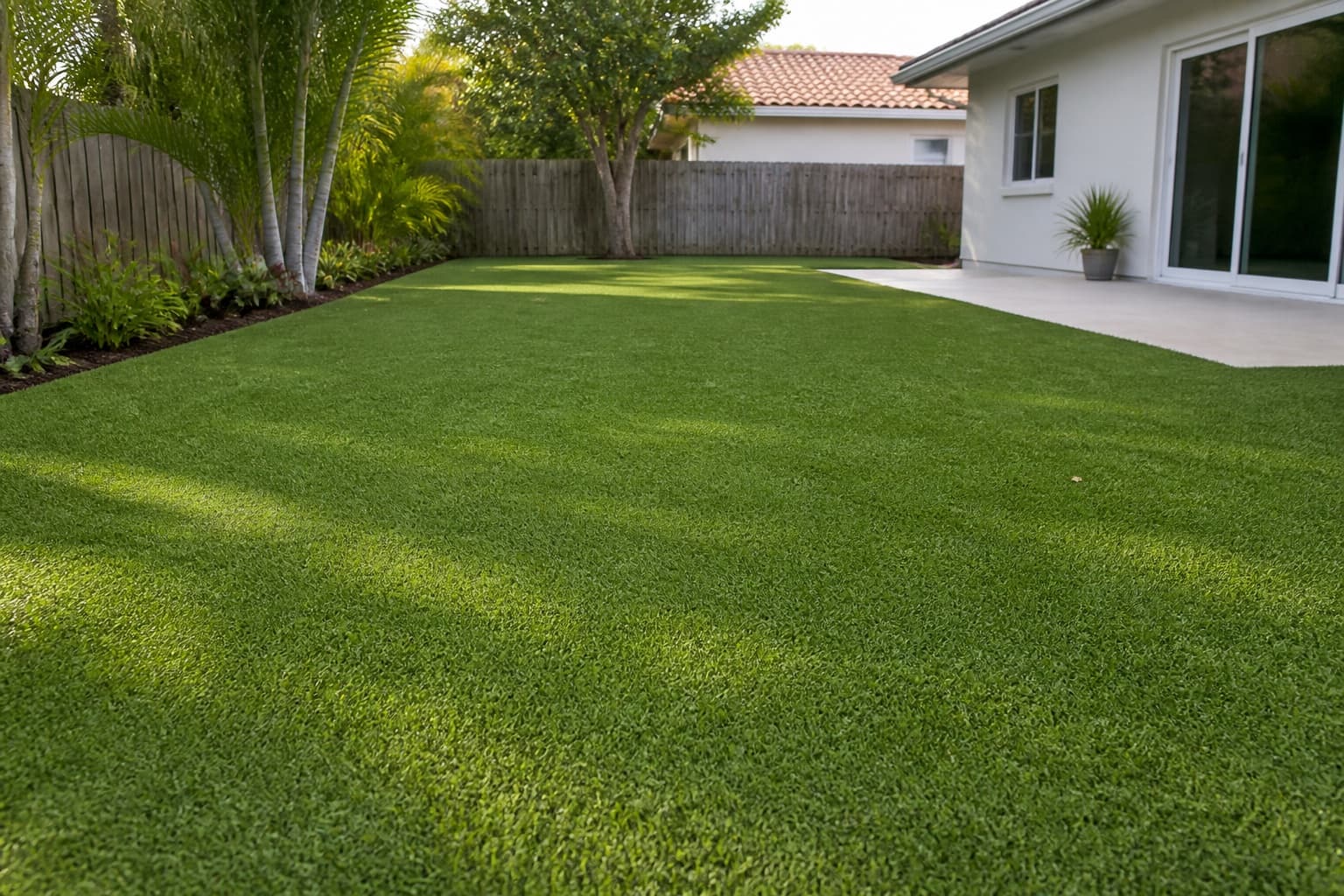
Why Brushing Matters for Artificial Turf
Artificial turf is designed to mimic the look and feel of natural grass, with individual fibers that stand upright. Regular use, especially in high-traffic areas, can cause these fibers to compress and lie flat. This flattening not only detracts from the turf's aesthetic appeal but can also impact its functional benefits.
When turf fibers are matted down, drainage can become less efficient, and the turf may feel less soft underfoot. Brushing helps to lift the pile, ensuring water drains properly and restoring the turf's plush texture. It also helps to distribute infill evenly, which is crucial for stability and cushioning, particularly in pet or play areas.
Selecting the Right Brushing Tools
The type of brush you use is critical for effective and safe artificial turf maintenance. Always opt for brushes specifically designed for artificial turf.
Look for brushes with synthetic bristles, often made from nylon or polypropylene. These materials are firm enough to lift the turf fibers without causing abrasion or tearing. Power brushes designed for artificial turf can make the job quicker and less strenuous, especially for larger areas, but ensure they are set to a gentle speed and height.
A stiff-bristled push broom made from synthetic materials is generally suitable for smaller areas or for spot brushing. For larger installations, a power broom or specialized turf rake can be more efficient. Avoid wire brushes or any tools that could snag, pull, or melt the synthetic fibers.
Recommended Brushing Schedule
The frequency of brushing depends largely on the amount of traffic your artificial turf receives and its specific application. A residential backyard with light foot traffic will require less frequent brushing than a high-traffic pet area or a commercial installation.
For most residential applications with moderate use, brushing every 2-4 weeks is a good starting point. Areas with pets or children playing frequently may benefit from weekly brushing to prevent flattening and ensure even infill distribution. For very low-traffic areas, monthly or even quarterly brushing might suffice.
It's also advisable to brush after heavy rain or snow, as moisture and pressure can sometimes compact the turf fibers. Always check the manufacturer's specific recommendations for your turf product, as some specialized turfs may have unique care guidelines.
Consider the type of artificial turf you have. Products like Wembley or Stanford, designed for performance and resistance to wear and tear, might tolerate less frequent brushing than softer options. However, regular maintenance will always extend their aesthetic appeal and functional life. (S1)
How to Brush Artificial Turf Effectively
To brush artificial turf effectively, work in sections and against the grain of the fibers. This means brushing in the opposite direction that the fibers naturally lay. This technique helps to lift them upright more efficiently.
Start at one end of your turf area and systematically work your way across. If using a push broom, apply moderate pressure and use sweeping motions. For power brushes, guide the machine slowly and steadily, allowing the rotating bristles to do the work. Avoid aggressive or repetitive brushing in one spot, which could damage the fibers.
Before brushing, ensure the turf is free of large debris, leaves, or pet waste. While brushing can help with light debris, it's not a substitute for regular cleaning. A leaf blower or rake can be used to clear the surface first.
Worked Example: Brushing a Residential Pet Area
Consider a hypothetical backyard artificial turf installation measuring 20 feet by 15 feet, primarily used by a family with two active dogs. This area experiences moderate to high traffic.
Given the frequent use by pets, a weekly brushing schedule is appropriate to maintain the turf's appearance and ensure proper infill distribution. The homeowner decides to use a specialized synthetic-bristled push broom designed for artificial turf.
Each week, they first clear any visible pet waste and leaves. Then, starting at one corner, they systematically brush the entire 300 square foot area, working against the natural lie of the turf fibers. They divide the area into smaller, manageable sections (e.g., 5-foot by 15-foot strips) to ensure thorough coverage without overworking any single spot. This regular attention helps keep the turf plush, clean, and ready for play.
For optimal results, pairing this with an infill replenishment every 6-12 months, depending on wear, would further extend the turf's life and performance.
Before you order
- Assess your turf's usage: Is it low, moderate, or high traffic?
- Identify your turf type: Does it have specific manufacturer brushing recommendations?
- Choose the right brush: Select synthetic-bristled tools (push broom, power broom, specialized rake).
- Establish a brushing schedule: Weekly for high traffic/pets, bi-weekly for moderate, monthly for low.
- Plan your technique: Brush against the grain, in systematic sections, and clear debris first.
Confirm installation details, approved uses and warranty terms in the current instructions for the exact product and profile. Your installer should verify the substrate, structure and applicable project requirements.
Questions to help you decide
Can I use a regular garden rake to brush artificial turf?
No, a regular garden rake, especially one with metal tines, is not recommended. The sharp or stiff metal can damage the synthetic fibers of the artificial turf, potentially tearing or abrading them. Always use a rake or broom specifically designed for artificial turf, featuring synthetic bristles like nylon or polypropylene.
How do I know if my artificial turf needs brushing?
You'll notice your artificial turf needs brushing when the fibers appear flattened, matted, or less vibrant. High-traffic pathways might show distinct areas where the pile is compressed. If water seems to pool slightly or the turf feels harder underfoot, brushing can help restore its texture and drainage.
Does brushing help with infill distribution?
Yes, regular brushing plays a crucial role in distributing infill evenly across your artificial turf. Over time, infill can settle or shift, especially in high-traffic zones. Brushing helps to spread the infill, ensuring it continues to support the turf fibers, provide cushioning, and contribute to drainage.
Ready to Plan Your Artificial Turf Project?
Request a material quote with your project dimensions, desired turf profile, and ZIP code. We can help confirm current availability and service options for your artificial turf needs.
Request a material quote →