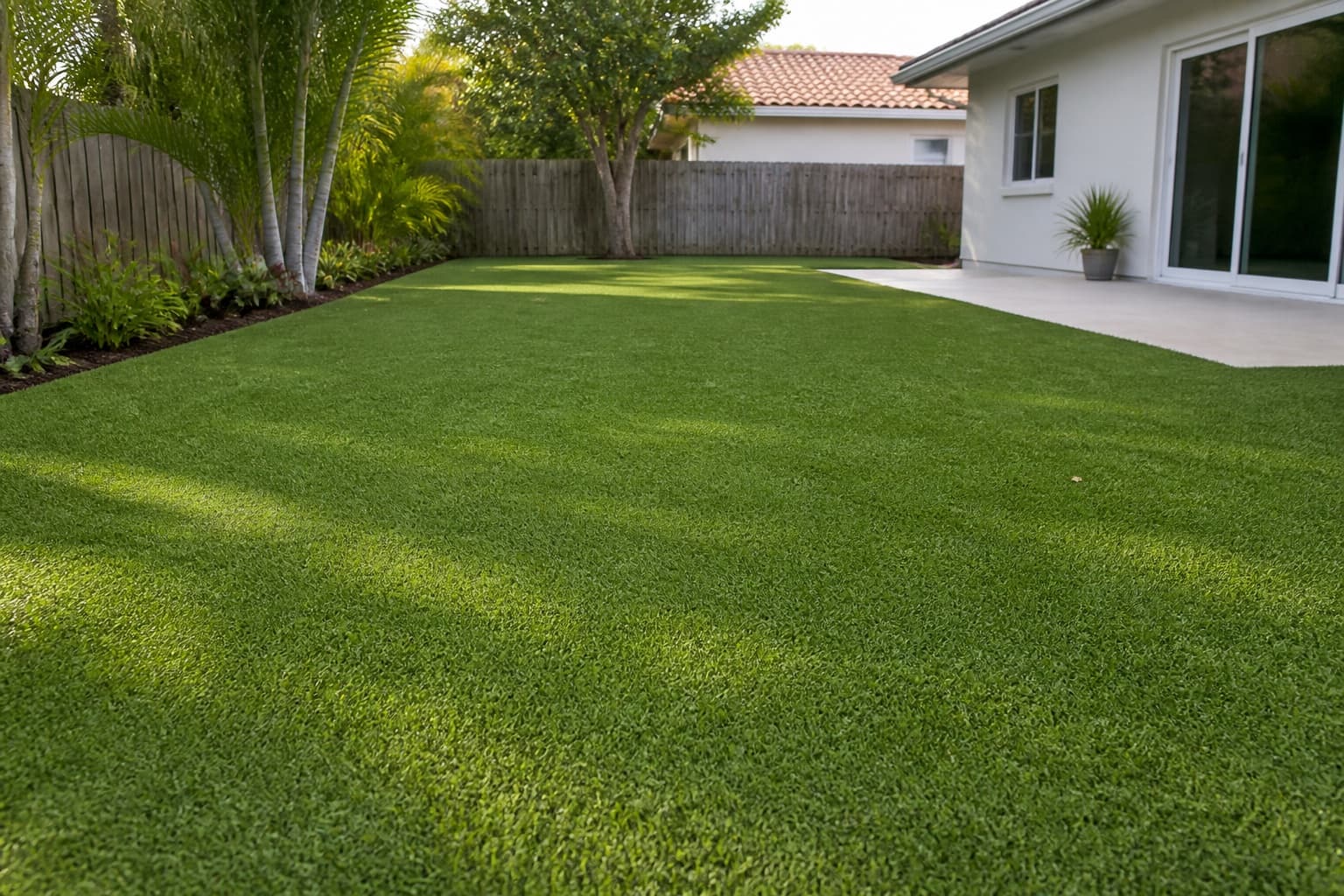
Define Your Backyard Activities and Zones
Before selecting an artificial turf product, consider how your backyard is currently used and how you envision it functioning in the future. Will children be playing sports? Do you have pets that will use the area? Is it primarily for entertaining guests, or do you need a quiet space for relaxation? Different activities suggest different requirements for durability, texture, and infill.
For example, a high-traffic play area for children might benefit from a more resilient turf with a specific pile height that can withstand constant activity. Areas for pets often require turf with good drainage and robust backing. A purely aesthetic zone, such as around a patio or seating area, might prioritize a softer, more natural-looking texture. Mapping out these zones on a simple sketch of your backyard can help clarify your needs.
Assess Site Access and Ground Preparation
The success of an artificial turf installation begins with thorough site preparation. This involves clearing existing vegetation, leveling the ground, and establishing a suitable base layer for drainage and stability. Consider how materials like gravel for the base, infill, and the turf rolls themselves will be brought into your backyard.
Narrow gates, existing structures, or uneven terrain can complicate material delivery and installation. Plan for any necessary equipment access, such as compactors or excavators, if extensive ground leveling is required. Proper grading is crucial to ensure water drains away from your home and other structures, preventing pooling and potential issues.
Measuring Your Backyard for Artificial Turf
Accurate measurements are essential for ordering the correct quantity of artificial turf and minimizing waste. Artificial turf typically comes in rolls of standard widths. Measure the length and width of each area where turf will be installed. For irregularly shaped areas, break them down into simple rectangles and triangles to calculate the total square footage.
Always add a buffer to your measurements to account for cuts, trimming, and potential errors. A common practice is to add 5-10% extra to the total square footage. When ordering, remember that turf rolls come in fixed widths, so your layout plan will dictate how many full rolls you need and where seams will occur. Plan seams in low-traffic areas if possible, or where they will be less noticeable.
Choosing the Right Artificial Turf Product
Lumber Plus offers several professional artificial turf options, each designed for specific applications. For general residential use, options like Anfield provide durability and a bright appearance for year-round enjoyment. If pets are a primary consideration, a product with good drainage and a soft feel, like the environmentally friendly option described, may be suitable.
For areas expecting high foot traffic or requiring enhanced wear resistance, Wembley combines performance and durability. Stanford offers a dense, natural look with high durability, ideal for creating a majestic appearance. Review the characteristics of each turf type to match it with your planned backyard activities and aesthetic preferences.
Consider attributes such as pile height, face weight, backing material, and recommended infill. Pile height affects the turf's appearance and feel, while face weight indicates the amount of fiber per square foot, contributing to density and durability. The backing material influences drainage and stability. Infill helps the blades stand upright and provides cushioning.
Hypothetical Backyard Project: A Family Play Area
Let's consider a backyard project for a family with young children and a dog. The family wants a dedicated play area, a pet relief zone, and a tidy border around a patio. The total area for turf is an L-shaped space. The main rectangular section is 20 feet by 15 feet. An attached rectangular section, for the pet area, is 8 feet by 10 feet. The turf will also border a 10-foot by 5-foot patio on one side.
The total square footage is (20 ft * 15 ft) + (8 ft * 10 ft) + (10 ft * 5 ft) = 300 sq ft + 80 sq ft + 50 sq ft = 430 sq ft. Assuming turf rolls are available in 15-foot widths, the main section would need one 15-foot by 20-foot roll. The pet area and patio border could potentially be cut from another 15-foot wide roll, requiring careful planning to minimize waste. Always consult with a supplier regarding available roll widths and how to best cut and seam for your specific dimensions.
For this project, a durable turf suitable for high-traffic and pet applications would be a good choice. Products like Wembley or the environmentally friendly pet-friendly option from Lumber Plus would offer the necessary resilience and drainage. The family would also need to plan for infill suitable for pets, which often means an antimicrobial option.
Before you order
- Have I clearly defined the primary activities for my backyard turf area?
- Have I measured all areas accurately, accounting for roll widths and potential seams?
- Is my site accessible for material delivery and installation equipment?
- Have I planned for proper ground preparation and drainage?
- Have I considered turf options suitable for high traffic, pets, or specific aesthetic goals?
- What infill material is recommended for my chosen turf and planned activities?
- Are there any existing structures or features (trees, pavers, pools) that need special consideration for turf installation?
- Have I allocated a buffer for cuts and waste in my material quantity estimate?
Confirm installation details, approved uses and warranty terms in the current instructions for the exact product and profile. Your installer should verify the substrate, structure and applicable project requirements.
Questions to help you decide
How do I ensure proper drainage for artificial turf?
Proper drainage for artificial turf begins with a well-prepared base. This typically involves excavating the area, ensuring a slight slope for water runoff, and laying down a permeable aggregate base, such as crushed gravel. The turf itself has a permeable backing that allows water to pass through to this base layer. It's crucial to confirm the specific drainage requirements and base materials recommended for your chosen turf product and local climate conditions.
What is infill, and why is it important for artificial turf?
Infill is a material, such as sand or rubber granules, that is spread between the blades of artificial turf after installation. It serves several purposes: it helps the turf blades stand upright, providing a more natural appearance; it adds weight to the turf, helping to hold it down; and it can provide cushioning, which is beneficial for play areas. The type and quantity of infill depend on the turf product and its intended use, especially for pet or sports applications.
Can artificial turf be installed over an existing concrete patio?
Yes, artificial turf can often be installed over an existing concrete patio, provided the concrete is in good condition and has adequate drainage. If the patio does not have sufficient slope for drainage, you may need to add a thin layer of permeable material or consider drilling drainage holes. A cushioning layer, such as a foam pad, is often recommended between the concrete and the turf for a softer feel and to help hide any minor imperfections in the concrete surface. Always check manufacturer guidelines for specific installation over hard surfaces.
Ready to Plan Your Backyard Artificial Turf Project?
Request a material quote with your project dimensions, desired turf profile, and ZIP code. We can help confirm current availability and service options for your area. Explore our professional artificial turf systems to find the best fit for your backyard.
Request a material quote →