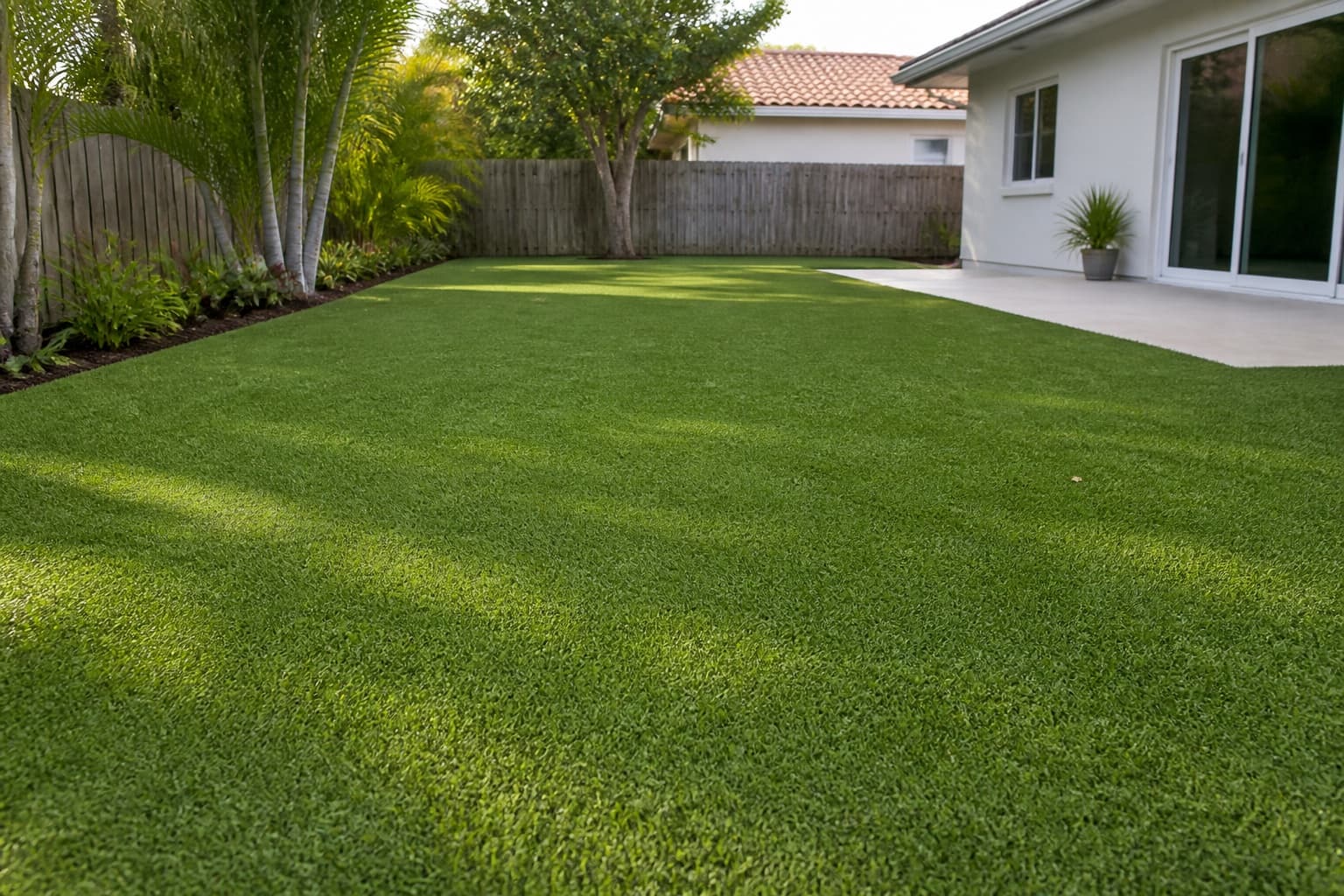
The Role of Artificial Turf Backing
The backing of artificial turf serves several critical functions. It provides a stable base for the turf fibers, securing them in place to resist pull-out and wear. It also acts as the primary structure for the entire turf system, contributing to its dimensional stability and preventing shrinking or expansion. Perhaps most importantly, the backing is engineered to facilitate water drainage, an essential feature for outdoor installations, especially in areas with pets or high foot traffic.
A well-chosen backing ensures that water passes through the turf efficiently, preventing puddling and promoting a cleaner, more hygienic surface. Without adequate drainage, artificial turf can retain moisture, leading to potential odors and maintenance issues over time.
Common Backing Materials and Their Properties
Artificial turf backing typically consists of two layers: a primary backing and a secondary backing.
The primary backing is the woven or non-woven fabric where the turf fibers are tufted (stitched) into place. Common materials for primary backing include polypropylene or polyester. This layer is designed to be strong and dimensionally stable, holding the fibers securely.
The secondary backing, often referred to as the coating, is applied to the reverse side of the primary backing to permanently lock the tufted fibers in place. Polyurethane and latex are the most common materials used for secondary backing. Polyurethane backings are known for their durability and flexibility, often offering better resistance to temperature fluctuations and UV exposure. Latex backings are a more traditional option, providing good adhesion for the fibers but can sometimes be less flexible or prone to degradation over time compared to polyurethane.
Another type, often seen in pet-friendly turf, is a permeable or 'flow-through' backing. This specialized backing is designed with enhanced drainage capabilities, allowing liquids to pass through the entire turf structure more rapidly. This helps to reduce odors and keep the surface cleaner, making it particularly suitable for areas frequented by pets.
Drainage: A Key Consideration
Effective drainage is paramount for any artificial turf installation, especially in regions with significant rainfall or for applications involving pets. The backing's drainage properties determine how quickly water, pet urine, and other liquids can pass through the turf and into the prepared sub-base.
Standard backings typically have small drainage holes punched through the secondary layer. While effective, the rate of drainage can vary depending on the density and size of these perforations. Permeable backings, on the other hand, are engineered to allow water to flow through the entire backing material, rather than relying solely on punched holes. This can result in significantly faster and more uniform drainage, which is a major advantage for pet areas where liquid waste needs to be washed away efficiently to prevent odor buildup.
When selecting turf, consider the expected volume of liquid it will need to manage. A high-traffic pet area will benefit more from a highly permeable backing than a decorative, low-use landscape strip.
Durability and Longevity
The backing material also plays a significant role in the overall durability and lifespan of artificial turf. A robust backing resists tearing, stretching, and shrinking, maintaining the turf's structural integrity over years of use.
Polyurethane backings generally offer superior tensile strength and resistance to environmental factors like extreme temperatures and UV radiation, which can contribute to a longer-lasting installation. Latex backings, while durable, may show signs of brittleness or cracking in very cold climates or under prolonged UV exposure. The quality of the stitching and the adhesion of the secondary backing are also crucial for preventing fiber pull-out, especially in areas subject to heavy foot traffic or vigorous cleaning.
For applications like sports fields or commercial landscapes, where the turf will endure constant wear and tear, investing in a high-quality, durable backing is essential to minimize future maintenance and replacement costs.
Hypothetical Project Example: A Pet-Friendly Backyard
Consider a 20-foot by 15-foot backyard area intended for a family with two active dogs. The goal is to create a durable, low-maintenance space that stays clean and fresh. The local climate experiences moderate rainfall.
For this project, a turf with a highly permeable or 'flow-through' backing would be a strong candidate. This type of backing allows pet urine to drain quickly and thoroughly into the prepared aggregate base, which would include a layer of crushed granite or limestone for further drainage. The rapid drainage helps prevent the accumulation of odors that can occur with less permeable backings.
Assuming the turf rolls are 15 feet wide, the project would require two full rolls, each 20 feet long, to cover the 300 square feet. The cuts would be minimal, and the permeable backing would ensure that drainage is consistent across the entire installed area, including seams. This choice prioritizes hygiene and long-term usability for pets, making the space more enjoyable for the family.
Complementary products for this project might include specialized infill for pet turf, such as an antimicrobial infill to further control odors, and a robust weed barrier laid beneath the base material.
Before you order
- What is the primary use of the artificial turf (e.g., pet area, general landscaping, high traffic)?
- What are the typical weather conditions in your area, especially regarding rainfall?
- Do you require enhanced drainage to manage pet waste or prevent standing water?
- What is your budget for the turf, considering that specialized backings may have a different cost?
- How important is long-term durability and resistance to environmental factors?
- Have you considered the type of infill that will be used with your chosen turf and backing?
- Will the turf be installed indoors or outdoors?
- What are the specific manufacturer recommendations for installation and maintenance based on the backing type?
Confirm installation details, approved uses and warranty terms in the current instructions for the exact product and profile. Your installer should verify the substrate, structure and applicable project requirements.
Questions to help you decide
What is the difference between primary and secondary backing?
The primary backing is the woven fabric (often polypropylene or polyester) into which the artificial grass fibers are tufted. The secondary backing is a coating (typically latex or polyurethane) applied to the underside of the primary backing to lock the fibers permanently in place and provide structural stability.
Why is drainage so important for artificial turf backing?
Good drainage prevents water from pooling on the turf surface, which can lead to odors, mildew, and an unhygienic environment, especially in pet areas. Effective drainage allows liquids to pass through the turf quickly into the sub-base, maintaining a cleaner and drier surface.
Are all artificial turf backings suitable for pets?
While most artificial turf has some drainage, specialized 'flow-through' or permeable backings are often recommended for pet areas. These backings are designed to drain liquids more rapidly and thoroughly across the entire surface, helping to minimize odors and facilitate cleaning compared to standard perforated backings.
Request a Material Quote for Your Artificial Turf Project
Ready to select the right artificial turf for your project? Provide your project dimensions, desired turf profile, and ZIP code to request a material quote. Confirm current availability and service options with our team.
Request a material quote →