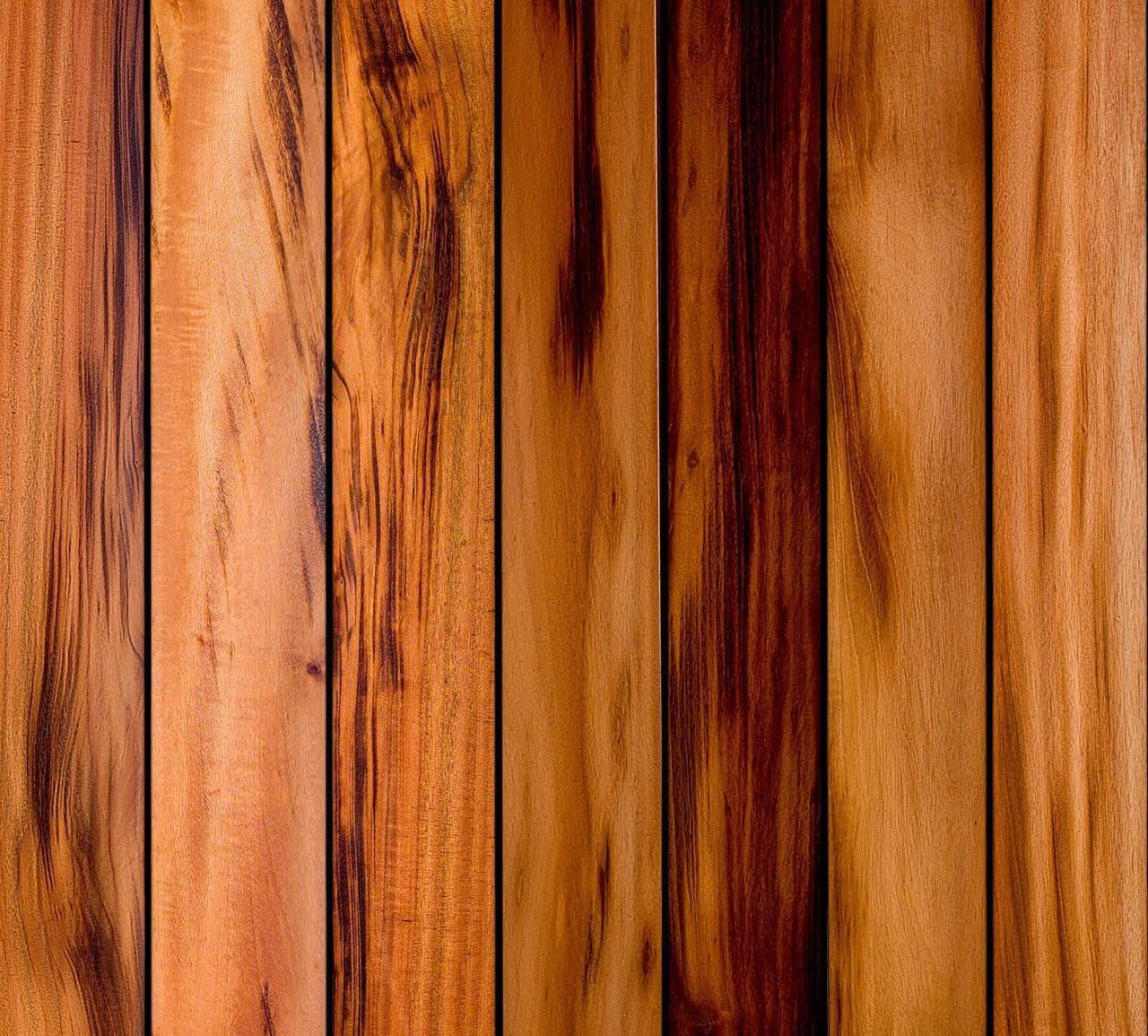
Understanding Tigerwood's Natural Properties for Winter
Tigerwood is classified as one of the densest exotic hardwoods available, with an air dry density of 4.92 lbs/bf and a specific gravity of 0.91. These characteristics contribute to its durability and inherent resistance to moisture, a critical factor for any outdoor material exposed to winter precipitation, including snow and ice. Its natural oils also contribute to its water-repellent properties.
The wood's robust nature helps it withstand environmental fluctuations. However, no material is entirely impervious to the effects of prolonged exposure to harsh winter elements. Proper installation techniques, particularly concerning drainage and ventilation, are essential to leverage Tigerwood's natural advantages and mitigate potential issues associated with persistent moisture.
Planning for Drainage and Ventilation
Effective drainage and ventilation are paramount for Tigerwood decking in winter conditions. Standing water, whether from melting snow or rain, can stress any decking material. Ensure your deck design incorporates a slight slope away from the primary structure to facilitate water runoff.
Adequate spacing between deck boards is also crucial. While the exact spacing should follow manufacturer guidelines, it typically allows water to drain through the deck surface rather than pooling. Additionally, proper ventilation beneath the deck helps prevent moisture buildup, which can lead to issues like mold or mildew. This is especially important where snow accumulation might restrict airflow for extended periods. Consider the height of the deck from the ground and any surrounding landscaping that might impede air circulation.
Snow and Ice Removal Best Practices
When snow and ice accumulate on a Tigerwood deck, careful removal is necessary to avoid damage. Avoid using metal shovels or sharp tools that can scratch or gouge the hardwood surface. Plastic shovels or snow pushers are generally preferred. For stubborn ice, consider using an ice melt product specifically labeled as safe for wood decking. Many common de-icers contain salts that can be corrosive or leave residues that may affect the wood's appearance over time. Always test any de-icer in an inconspicuous area first and rinse thoroughly after use, especially before warmer weather sets in.
Hypothetical Project Example: A Cabin Deck in a Snowy Climate
Imagine a 12-foot by 20-foot deck for a cabin situated in a region that experiences significant snowfall. The design incorporates 5/4" x 6" Tigerwood decking boards. To ensure winter resilience, the following planning considerations are made:
First, the deck frame is designed with a 1/8-inch per foot slope away from the cabin to promote water runoff. The under-deck area is kept clear of obstructions, and lattice skirting is installed with sufficient gaps to allow for cross-ventilation, preventing moisture from becoming trapped.
For snow removal, the homeowner plans to use a wide-blade plastic shovel. In instances of heavy ice, a calcium chloride-based ice melt, known for being less harsh on wood surfaces than rock salt, is chosen. After each use, the deck will be rinsed to remove any residue. This comprehensive approach leverages Tigerwood's natural properties while actively managing winter-specific challenges.
For a 12-foot by 20-foot deck (240 square feet), using 5/4" x 6" (1" x 5.5" actual) decking boards, approximately 524 linear feet of decking would be needed, assuming a standard layout and accounting for typical waste. This translates to roughly 88 individual 6-foot boards, or a combination of available lengths (3-24 feet) to minimize cuts and waste. It is important to confirm the exact linear footage needed based on your specific layout and available board lengths.
Seasonal Maintenance and Protection
While Tigerwood is durable, a proactive approach to maintenance can extend its aesthetic appeal through winter. Before the onset of cold weather, thoroughly clean the deck to remove dirt, leaves, and other debris. This prevents organic matter from trapping moisture against the wood surface.
Applying a protective finish, such as a penetrating oil, can offer an additional layer of defense against moisture absorption and UV degradation, which can still occur even in winter. Choose a finish specifically formulated for exotic hardwoods and reapply as recommended by the product manufacturer. This helps maintain the wood's golden-brown hues and minimizes the potential for graying over time due to weathering.
Before you order
- Confirm local building codes for deck construction, especially regarding drainage and ventilation.
- Verify the deck frame design includes adequate slope for water runoff.
- Specify appropriate board spacing according to manufacturer guidelines for drainage.
- Plan for unobstructed airflow beneath the deck to ensure proper ventilation.
- Select snow removal tools (e.g., plastic shovels) that will not damage the decking surface.
- Research and choose a wood-safe de-icer if ice removal is anticipated.
- Schedule a thorough deck cleaning before winter arrives.
- Consider applying a suitable protective oil or finish to enhance moisture resistance and appearance.
Confirm installation details, approved uses and warranty terms in the current instructions for the exact product and profile. Your installer should verify the substrate, structure and applicable project requirements.
Questions to help you decide
Does Tigerwood decking warp in freezing temperatures?
Tigerwood is highly dense and naturally resistant to moisture, which helps minimize warping. However, all wood can be affected by extreme temperature and moisture fluctuations. Proper installation with adequate drainage and ventilation is crucial to prevent moisture accumulation that could lead to issues over time. Avoiding standing water and ice buildup on the deck surface is key.
Can I use rock salt on my Tigerwood deck?
Using rock salt (sodium chloride) directly on Tigerwood decking is generally not recommended. Rock salt can be corrosive, potentially damaging the wood's surface or leaving residue that affects its appearance. It's best to opt for ice melt products specifically formulated as safe for wood decks, such as those containing calcium chloride, and always rinse the deck thoroughly after use.
How do I prevent my Tigerwood deck from becoming slippery in winter?
Maintaining a clean deck surface free of organic debris, snow, and ice is the primary way to prevent slipperiness. Regularly clear snow with a plastic shovel and use wood-safe de-icers for ice. Some homeowners also consider anti-slip treatments or mats for high-traffic areas, but these should be compatible with your specific decking and finish. Ensuring good drainage also prevents ice formation from standing water.
Ready to Plan Your Tigerwood Deck?
Request a material quote with your project dimensions, exact profile, and ZIP code to confirm current availability and service options for Tigerwood decking. We also offer a range of related products, including other hardwood decking options like Ipe, as well as composite and PVC decking solutions.
Request a material quote →