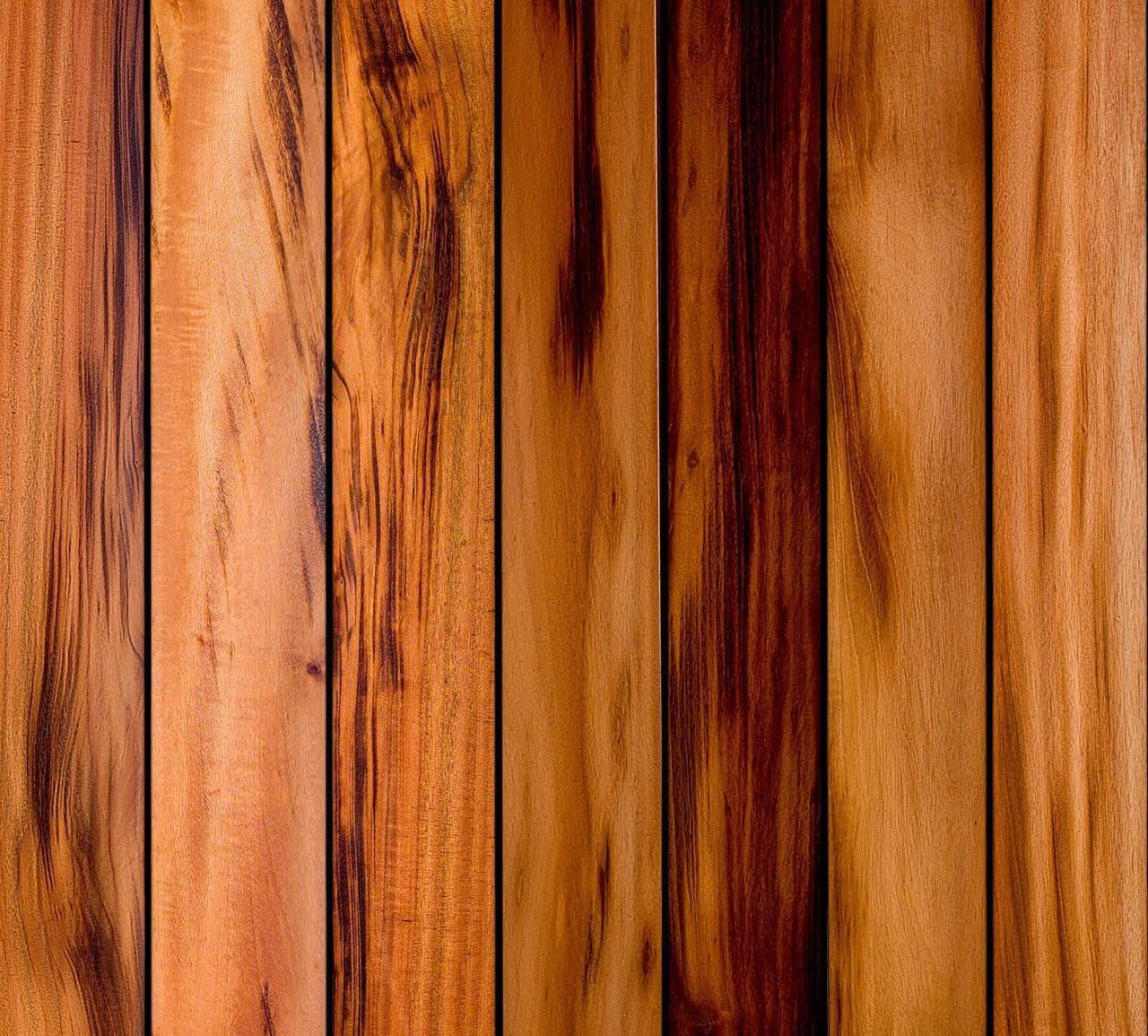
Understanding Tigerwood's Natural Properties
Tigerwood (Astronium graveolens) is a dense exotic hardwood, originating from Brazil, recognized for its dramatic grain and inherent durability. It boasts a specific gravity of 0.91 and an air dry density of 4.92 lbs/bf, contributing to its resistance to rot and decay. The wood is also naturally resistant to termites and moisture due to its natural oils.
These natural properties mean Tigerwood can perform well in outdoor environments. However, like all natural wood, its appearance will change over time if left untreated. Exposure to UV light and weather will cause the wood to gradually lighten and eventually silver, a natural aging process for hardwoods. If you prefer to retain the rich, golden-brown tones and dark streaks, a regular maintenance schedule involving sealing is necessary.
The decision to allow your Tigerwood deck to silver or to maintain its original coloration is a key factor in determining your maintenance routine.
Cleaning Your Tigerwood Deck
Regular cleaning is a fundamental aspect of Tigerwood decking maintenance, regardless of whether you choose to seal it or let it silver. Dirt, pollen, leaves, and other debris can accumulate on the deck surface, potentially leading to mildew or staining if not removed.
A simple routine involves sweeping the deck regularly to remove loose debris. For a deeper clean, wash the deck with a mild soap and water solution, using a soft-bristle brush. Rinse thoroughly with a garden hose. Avoid high-pressure washers, as they can damage the wood fibers, especially if held too close to the surface. Always test any cleaning solution on an inconspicuous area first to ensure it does not discolor or harm the wood.
For areas with persistent stains or mildew, specialized deck cleaners formulated for hardwoods may be necessary. Always follow the manufacturer's instructions for these products and rinse thoroughly to remove all residues.
Preserving the Original Color: Sealing and Finishing
If the goal is to preserve Tigerwood's distinctive golden-brown hues and dark streaks, applying a UV-inhibiting sealer or oil finish is crucial. These finishes help protect the wood from the sun's ultraviolet rays, which are primarily responsible for the silvering process.
The frequency of reapplication depends on the specific product used, the amount of sun exposure your deck receives, and local climate conditions. Typically, a quality hardwood deck oil or sealer may need to be reapplied annually or biennially. Before reapplying, the deck should be thoroughly cleaned and dry. Some finishes may require light sanding to ensure proper adhesion and a smooth finish. Consult the product manufacturer's recommendations for specific application and reapplication guidelines.
Choosing a finish that enhances the natural grain without creating a plastic-like surface is often preferred for exotic hardwoods like Tigerwood. There are various oil-based and water-based options available, some with transparent or semi-transparent tints that can deepen the wood's natural color.
Allowing Tigerwood to Silver Naturally
Some homeowners appreciate the natural silver patina that hardwoods develop over time. If you decide to let your Tigerwood deck silver, the maintenance requirements are generally simpler, focusing primarily on cleaning.
Even when allowing the deck to silver, regular cleaning is still important to prevent the buildup of dirt, grime, and mildew. These can cause uneven discoloration or lead to deterioration. The silvering process itself is aesthetic and does not diminish the wood's inherent durability or resistance to rot and insects. The natural oils and density of Tigerwood continue to provide protection.
This approach reduces the need for frequent reapplication of sealers, saving time and resources. However, it's important to understand that once the wood has silvered, restoring its original color can be a more involved process, often requiring specialized cleaning and brightening products before a finish can be applied.
Seasonal Considerations for Maintenance
Maintenance needs for Tigerwood decking can vary with the seasons and local climate. In areas with significant leaf fall, more frequent sweeping or blowing will be necessary to prevent leaves from decomposing on the deck surface and causing stains. During wet periods, ensuring good drainage around and under the deck is important to prevent standing water.
For decks in regions with harsh winters, it is advisable to perform a thorough cleaning and reapply any desired finish before the cold season sets in. This provides an extra layer of protection against moisture and temperature fluctuations. Clearing snow promptly can also help prevent prolonged moisture contact.
Coastal environments, with their salt air and increased humidity, may necessitate more frequent cleaning to remove salt deposits and prevent mildew growth. Regular inspection for any signs of wear or damage is also prudent in these conditions.
Worked Example: Planning Maintenance for a 200 sq ft Deck
Consider a hypothetical 200 square foot Tigerwood deck (e.g., 10 ft x 20 ft) that the homeowner wishes to maintain its original rich coloration.
1. **Initial Cleaning (Spring):** Annually, in early spring, the deck will be swept clean of debris. A mild deck cleaner and soft-bristle brush will be used, followed by a thorough rinse. This prepares the surface for sealing.
2. **Sealer Application (Spring):** After the deck is completely dry (typically 24-48 hours after cleaning), a UV-inhibiting hardwood deck oil will be applied. Reapplication would be planned annually, or every other year, depending on the product's performance and the deck's exposure.
3. **Regular Cleaning (Monthly/Quarterly):** Throughout the spring, summer, and fall, the deck will be swept monthly. A quick wash with water and a soft brush will be performed quarterly, or as needed, to remove accumulated dirt and pollen.
4. **Winter Preparation (Fall):** Before winter, a final thorough cleaning will be done. Any heavy snow will be cleared with a plastic shovel to avoid scratching the wood. This proactive plan helps preserve the deck's appearance and structural integrity.
This example assumes a proactive approach to maintaining the rich color. If the homeowner chose to let the deck silver, the sealer application steps would be omitted, with maintenance focusing solely on regular cleaning.
Before you order
- Do I want to preserve Tigerwood's original golden-brown color, or allow it to silver naturally?
- How much sun exposure will my deck receive? (More sun means faster silvering and more frequent sealer reapplication)
- What is my local climate like? (Consider humidity, rainfall, extreme temperatures)
- Am I prepared for annual or biennial application of a deck sealer/oil if I choose to preserve the color?
- Do I have the necessary tools for cleaning (broom, soft-bristle brush, hose, mild cleaner)?
- Will I commit to regular sweeping and cleaning to prevent debris and mildew buildup?
- Have I researched suitable hardwood deck sealers or oils compatible with Tigerwood?
- Am I aware that high-pressure washers can damage wood and should be used with caution, if at all?
- What is my plan for addressing stubborn stains or mildew, should they occur?
- Will I inspect the deck periodically for any signs of wear, damage, or fastener issues?
Confirm installation details, approved uses and warranty terms in the current instructions for the exact product and profile. Your installer should verify the substrate, structure and applicable project requirements.
Questions to help you decide
How often should I clean my Tigerwood deck?
Regular sweeping to remove debris should be done weekly or as needed. A more thorough wash with mild soap and water is recommended quarterly or at least twice a year, typically in spring and fall, to prevent dirt and mildew buildup.
Do I need to seal Tigerwood decking?
Sealing is not strictly necessary for the durability of Tigerwood, as it is naturally resistant to moisture and decay. However, if you wish to preserve its rich golden-brown color and prevent it from silvering due to UV exposure, then applying a UV-inhibiting hardwood deck oil or sealer is recommended, typically annually or biennially.
Can I use a pressure washer on Tigerwood?
Using a pressure washer on Tigerwood decking is generally not recommended, or should be done with extreme caution. High pressure can damage the wood fibers, leaving marks or creating an uneven surface. If you must use one, set it to a very low pressure, use a wide fan tip, and keep the nozzle at a significant distance from the deck surface, always testing on an inconspicuous area first.
Ready to Plan Your Tigerwood Decking Project?
Request a material quote with your project dimensions, desired profile, and ZIP code to confirm current availability and service options for Tigerwood decking. Our team can help you select the right materials for your outdoor space.
Request a material quote →