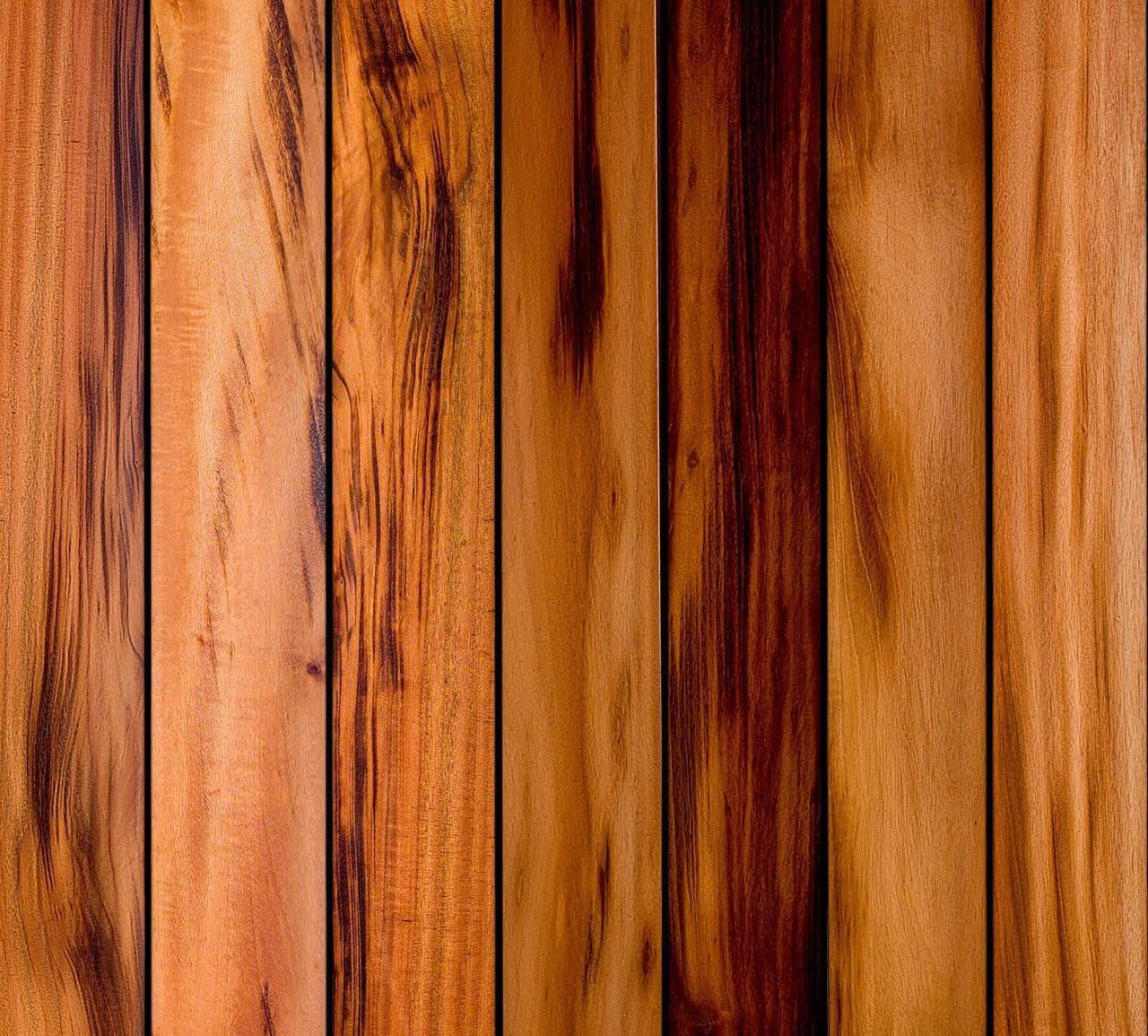
Understanding Tigerwood's Natural Appearance
Tigerwood is named for its striking appearance: golden-brown tones interwoven with prominent, dark brown to black streaks, creating a vivid striped pattern. These natural variations are inherent to the wood and are part of its appeal. Each board will have a unique pattern, and the overall look of your deck will be a mosaic of these individual characteristics. When viewing samples, observe the range of color and streaking present, as this will give you an idea of the diversity to expect in your full order. The wood's natural oils contribute to its rich color and inherent water repellency.
Over time, like many hardwoods, Tigerwood can undergo a natural aging process, often mellowing in color if left untreated. Applying a suitable finish can help preserve its original vibrant tones. Consider how this natural evolution might align with your long-term aesthetic preferences for the deck. The wood's texture is generally smooth, contributing to its high-class appeal for various applications beyond decking, such as furniture and cabinetry.
Evaluating Samples in Different Lighting Conditions
Light plays a significant role in how Tigerwood appears. A sample viewed under indoor artificial light will look different than the same sample viewed outdoors under natural sunlight, or even under shade. Bring your Tigerwood samples to your project site and observe them at various times of day: morning, midday, and late afternoon. This will allow you to see how the intensity and angle of light affect the wood's color, the prominence of its streaks, and its overall luster.
For instance, direct sunlight might enhance the golden tones and make the streaks appear sharper, while diffused light in a shaded area might bring out deeper browns and a more subdued pattern. If your deck will have both sunny and shaded areas, assess the samples in both conditions. This step is critical for avoiding surprises once the decking is installed.
Assessing Texture and Grain
While Tigerwood is known for its durability and hardness, the surface texture of the decking boards can vary slightly depending on the milling process. Run your hand over the samples to feel the grain. Most Tigerwood decking is provided with a smooth, finished surface, but understanding the tactile quality is important, especially for areas where bare feet will be common. The density of Tigerwood contributes to its smooth feel and resistance to scratching.
Examine the grain pattern on the sample. Tigerwood typically features a fine to medium texture with an interlocked grain, which contributes to its strength and distinct appearance. Look for consistency in the milling and ensure the texture meets your expectations for a high-quality finished surface. This visual and tactile inspection helps confirm the product's quality and suitability for your intended use.
Coordinating with Adjacent Finishes and Materials
Your Tigerwood deck will not exist in isolation. It will be part of a larger outdoor environment, interacting visually with your home's exterior, landscaping, railings, and outdoor furniture. Place your Tigerwood samples next to these existing or planned elements. How do the golden-brown and dark streaks complement your house siding, patio stones, or garden planters? Do the colors clash, or do they create a harmonious palette?
For example, if your home has warm-toned brick, Tigerwood's golden hues might blend seamlessly. If your exterior is cool-toned gray, the contrast could be striking. Consider bringing samples of paint swatches, railing materials, or fabric samples for outdoor cushions to compare with the decking. This holistic approach ensures that your deck enhances the overall aesthetic of your outdoor living space.
Interpreting Product Labels and Specifications
Each Tigerwood sample should come with a product label or specification sheet. This documentation provides essential details about the wood. Key information to look for includes the botanical name (Astronium graveolens), origin (Brazil), and profile dimensions (e.g., 5/4"x6" — 1" x 5.5"). Understanding these specifications ensures you are comparing like-for-like products and that the dimensions are suitable for your project.
The label may also indicate whether the wood is Kiln Dried (KD), which affects its stability and readiness for installation. Confirming the exact profile and lengths available (3-24 ft) is crucial for planning your deck layout and minimizing waste.
Before you order
- View samples at the project site under varying natural light conditions (morning, midday, afternoon, shade).
- Compare samples against existing or planned house siding, trim, railings, and landscaping elements.
- Assess the range of color variation and streaking within the samples provided.
- Feel the surface texture and inspect the grain for consistency and quality.
- Verify the product's botanical name, origin, and dimensions on the sample label.
- Consider how the Tigerwood's appearance might change over time with weathering and finishes.
- Discuss any questions about installation, maintenance, and finishing with a product specialist.
Confirm installation details, approved uses and warranty terms in the current instructions for the exact product and profile. Your installer should verify the substrate, structure and applicable project requirements.
Questions to help you decide
Why is it important to see Tigerwood samples in person?
Tigerwood's natural golden-brown hues and dark streaks vary significantly, and its appearance changes dramatically under different lighting conditions. Online images cannot fully capture these nuances. Seeing physical samples at your project site helps you assess how the wood will truly look with your home's exterior and in the specific light it will receive.
How do I care for my Tigerwood decking to maintain its appearance?
Tigerwood is naturally durable and moisture resistant. To maintain its vibrant golden-brown and dark streaked appearance, you can apply a suitable UV-inhibiting oil finish. If left untreated, Tigerwood will naturally weather to a silver-gray patina over time. Regular cleaning to remove dirt and debris is recommended to prevent mildew and maintain its condition.
What dimensions are commonly available for Tigerwood decking?
Tigerwood decking is commonly available in profiles such as 5/4"x6" (actual 1" x 5.5"). Boards typically come in a range of lengths from 3 to 24 feet, allowing for flexibility in design and minimizing cuts. Always confirm current availability of specific profiles and lengths when planning your project.
Ready to Transform Your Outdoor Space with Tigerwood?
Request a material quote today by providing your project dimensions, desired profile, and ZIP code. Our team can help confirm current availability and service options for Tigerwood decking, and assist with any further questions you may have about this beautiful and durable hardwood.
Request a material quote →