Evaluating Your Existing Deck Frame and Substructure
The first and most important step in any deck renovation is a comprehensive inspection of the existing frame and substructure. Tigerwood is a dense, durable hardwood. While this contributes to its longevity, it also means it is heavier than many other decking materials. The existing joists, beams, and support posts must be in excellent condition and adequately sized to handle the increased load. Look for any signs of rot, insect damage, or significant warping.
Check all connections, including joist hangers, post-to-beam connections, and ledger board attachments to the house. Any loose or corroded fasteners should be addressed. If the existing frame shows significant deterioration, it may be more cost-effective and safer to replace it entirely rather than attempting piecemeal repairs. A structural engineer or experienced deck builder can provide a professional assessment of your frame's load-bearing capacity and overall integrity.
Assessing Drainage and Ventilation Beneath the Deck
Proper drainage and ventilation are critical for the long-term health of any deck, especially when installing a dense, moisture-resistant material like Tigerwood. Even though Tigerwood is naturally resistant to moisture, standing water or consistently damp conditions beneath the deck can still compromise the substructure over time.
Inspect the ground underneath your existing deck. Ensure there is adequate grading to direct water away from the house and the deck's foundation. Clear any debris, vegetation, or accumulated soil that might impede airflow or trap moisture. Consider installing a gravel base or a proper drainage system if persistent dampness is an issue. Good airflow helps prevent moisture buildup, which can lead to mold, mildew, and decay of the substructure.
Considering Board Spacing and Fastening Systems
When renovating, you'll need to decide on the appropriate board spacing and fastening method for your new Tigerwood decking. Tigerwood is typically kiln-dried (KD) and available in profiles such as 1" x 5.5" (nominal 5/4"x6"). Hardwood decking requires specific spacing to allow for natural expansion and contraction with changes in humidity and temperature. Consult the manufacturer's guidelines for the precise gap recommendations.
Face-fastening involves screwing directly through the face of the board into the joists, which is very secure but leaves visible screw heads. Hidden fastening systems create a cleaner, uninterrupted surface but require careful installation and may not be suitable for all board profiles or existing joist layouts. Given Tigerwood's density, pre-drilling is essential for either method to prevent splitting.
Surface Preparation and Joist Alignment
Before laying any new Tigerwood boards, the top surfaces of your joists must be clean, level, and free of any protruding fasteners from the old decking. Sand down any rough spots and ensure all joists are at the same height to create a uniform decking surface. If your existing joists are significantly warped or uneven, shimming or planing may be necessary to achieve a flat plane.
Consider applying a joist protection tape to the top of each joist. This tape acts as a barrier against moisture, extending the life of your substructure, and can also help reduce squeaks. Proper joist alignment is crucial for an even deck surface and to ensure that each Tigerwood board has adequate support across its span.
Worked Example: Renovation Assessment for a 10x12 Foot Deck
Let's consider a hypothetical 10-foot by 12-foot existing deck, currently surfaced with softwood decking. The owner wants to replace it with Tigerwood decking, specifically the 1" x 5.5" profile.
First, the owner removes the old decking. The ledger board itself appears solid. The ground underneath is mostly bare earth with some weeds, and water tends to pool slightly near one corner of the house.
Reinforce any questionable connections. 2. **Drainage Improvement:** Re-grade the soil under the deck to ensure a gentle slope away from the house. For a 12-foot length (144 inches), a single board covers 144 * 5.625 = 810 square inches or roughly 5.625 square feet. To cover 120 square feet, approximately 22 boards (120 / 5.625) would be needed, plus an allowance for cuts and waste, perhaps 10-15% extra. For a 10-foot width, this means around 22 boards running parallel to the 12-foot dimension. For a 12-foot width, it means around 26 boards running parallel to the 10-foot dimension. It's always best to plan board layout precisely and confirm with the product's specific length availability (e.g., 3-24 ft lengths available for Tigerwood).
This detailed approach ensures the new Tigerwood deck is built on a sound foundation, maximizing its lifespan and beauty.
Comparing Tigerwood to Other Decking Options for Renovation
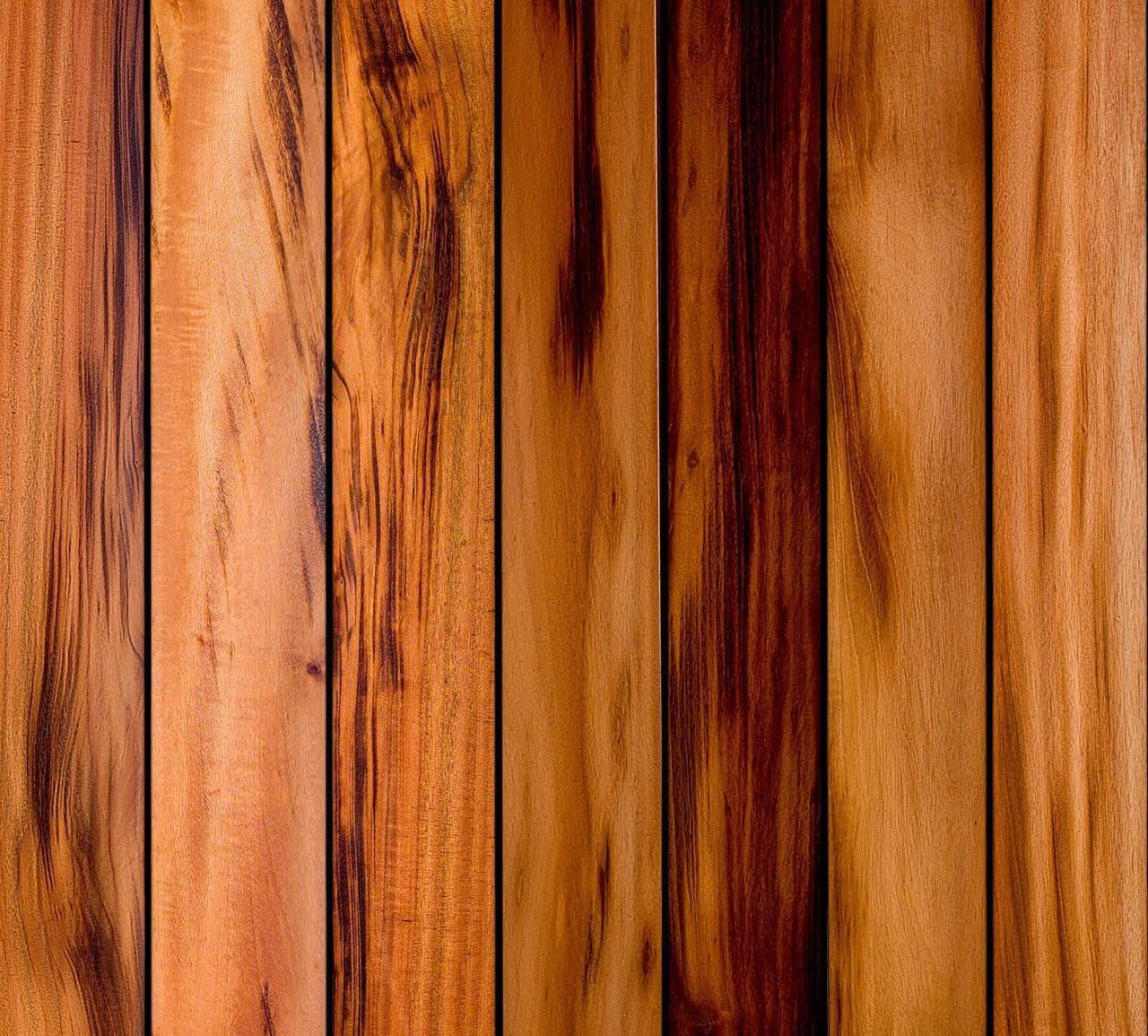
While Tigerwood offers unique aesthetic appeal with its golden-brown hues and dark streaks, along with exceptional durability and resistance to termites and moisture, it's wise to consider alternatives during a renovation. If your existing substructure cannot support the density of Tigerwood without significant upgrades, or if your budget is constrained, other materials might be more suitable.
For instance, composite decking or PVC decking can be lighter and may integrate more easily with an existing frame that is in good condition but not robust enough for exotic hardwoods. Ipe is another exotic hardwood known for its density and durability, offering a different aesthetic. Each material has its own weight, installation requirements, and maintenance profile. Understanding these differences helps you make an informed decision based on your specific renovation needs and existing conditions.
Explore other decking options:
Decking: /decking
Hardwood Decking: /decking/hardwood
Ipe Decking: /decking/hardwood/ipe
Composite Decking: /decking/composite
PVC Decking: /decking/pvc
Before you order
- Inspect the entire deck frame (joists, beams, posts) for rot, insect damage, and structural integrity.
- Verify that the existing frame can support the increased weight of Tigerwood decking.
- Check all fasteners and connections for corrosion or looseness; replace as needed.
- Assess drainage and ventilation beneath the deck to prevent moisture buildup.
- Ensure the ground under the deck is properly graded and free of debris.
- Confirm joists are level and clean; consider joist tape for protection.
- Determine the appropriate board spacing and fastening method for Tigerwood.
- Account for Tigerwood's density, requiring professional-grade tools and pre-drilling.
- Calculate the required quantity of Tigerwood boards, including waste factor.
- Consider alternative decking materials if the existing frame requires extensive, costly upgrades.
Confirm installation details, approved uses and warranty terms in the current instructions for the exact product and profile. Your installer should verify the substrate, structure and applicable project requirements.
Questions to help you decide
Can I reuse my existing deck posts and beams with Tigerwood decking?
It depends on their current condition and structural capacity. Tigerwood is a dense, heavy material, so your existing posts and beams must be free of rot, insect damage, and be adequately sized to support the increased load. A professional inspection is highly recommended to ensure safety and longevity.
Do I need to change my joist spacing for Tigerwood decking?
However, always consult the specific installation guidelines for Tigerwood decking and consider its weight. In some cases, closer joist spacing might be recommended for heavier decking to prevent deflection or bounce.
What kind of maintenance should I plan for Tigerwood decking after renovation?
Tigerwood is naturally water repellent and very durable, offering low maintenance. To maintain its distinctive golden-brown hues and dark streaks, annual cleaning and an application of a UV-inhibiting oil finish are often recommended. If left untreated, Tigerwood will naturally weather to a silver-gray patina over time. Regular cleaning helps prevent dirt and mildew buildup.
Ready to Plan Your Tigerwood Deck Renovation?
Request a material quote with your project dimensions, desired Tigerwood profile, and ZIP code to confirm current availability and service options for your renovation project. Our team can help you assess your material needs.
Request a material quote →