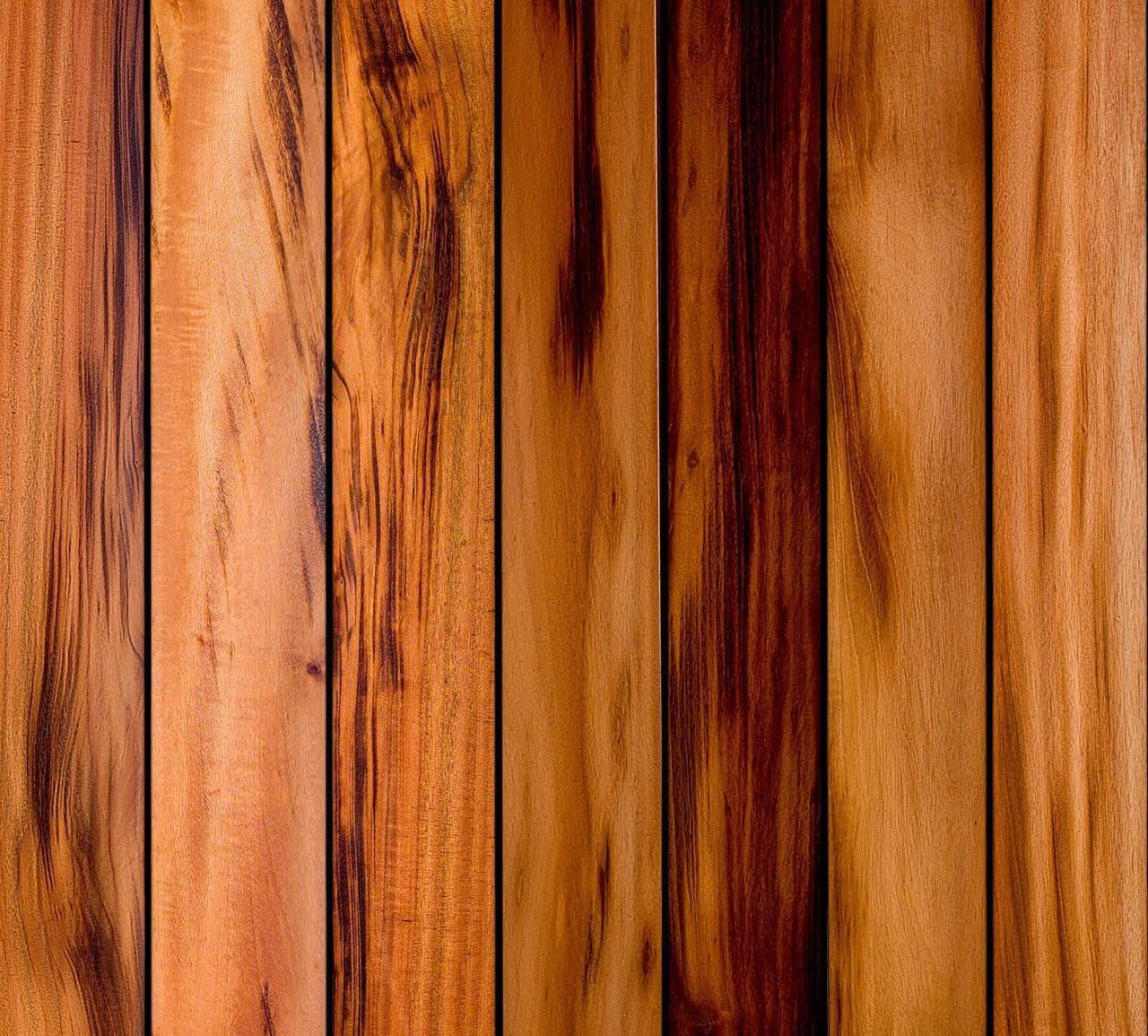
Tigerwood's Natural Color Palette
Tigerwood, also known as Goncalo Alves, is prized for its signature appearance: golden-brown hues dramatically contrasted by dark brown streaks. This natural patterning is what gives Tigerwood its name and unique character. The intensity of these streaks can vary from board to board, creating a dynamic visual effect across the deck surface.
The wood's origin in Brazil contributes to its exotic appeal. When freshly milled, the colors are typically vibrant and distinct. As the wood is exposed to light and air, some initial color changes may occur, but the fundamental golden-brown and dark streak pattern remains. This natural beauty is often a primary draw for homeowners seeking a distinctive outdoor living space.
Lumber Plus offers Tigerwood decking with a profile of 1 inch by 5.5 inches (5/4"x6"), available in lengths from 3 to 24 feet, and kiln-dried (KD). These specifications ensure consistent quality and dimensions for your project.
The Impact of Natural Light on Appearance
The appearance of Tigerwood decking changes significantly depending on the natural light conditions. On a bright, sunny day, the golden tones can appear more luminous, and the dark streaks more defined, creating a high-contrast look. In overcast conditions or shaded areas, the overall tone might appear deeper and more subdued, with the contrasts softening.
Consider the orientation of your deck relative to the sun. A south-facing deck will experience more intense, prolonged sunlight, which can accelerate the natural weathering process and potentially lighten the golden tones over time. A north-facing or heavily shaded deck may retain its initial coloration longer, though it might also be more susceptible to moisture-related issues if ventilation is not adequate.
It is recommended to view actual product samples under various lighting conditions – both direct sun and shade – to get a realistic sense of how the Tigerwood will look in your specific outdoor environment. Digital images can provide a general idea, but physical samples offer the most accurate representation.
Finishing Options: Enhancing or Preserving Color
Tigerwood is naturally water repellent due to its oils and is resistant to rot, decay, termites, and moisture. This inherent durability means that a finish is not strictly necessary for protection against the elements, but it can be chosen to influence the aesthetic.
If you desire to maintain the vibrant, initial golden-brown and dark streak contrast, a UV-inhibiting oil finish is often recommended. These finishes help to slow the natural graying process that occurs when wood is exposed to sunlight. They also enhance the natural luster of the wood, making the grain and streaks appear richer and more pronounced. Regular reapplication of such a finish will be necessary to sustain the desired look.
Alternatively, if you prefer the look of naturally weathered hardwood, you can choose to let Tigerwood age gracefully without a finish. Over time, exposed Tigerwood will develop a silvery-gray patina, similar to other exotic hardwoods. This low-maintenance approach allows the wood to adapt to its environment while maintaining its structural integrity.
Worked Example: Selecting a Finish for a Patio Deck
Let's consider a hypothetical 10-foot by 12-foot patio deck. The homeowner wants to highlight the distinctive tiger-stripe pattern and maintain the warm golden-brown tones for as long as possible. The deck receives full sun exposure for most of the day.
After reviewing samples under different light conditions, the homeowner decides against letting the wood naturally gray. Instead, they opt for a clear, penetrating oil finish with UV inhibitors. This type of finish will help to protect the wood from the sun's rays, slowing down the graying process and enhancing the natural colors. They understand that this finish will require reapplication, typically annually or biennially, depending on local climate conditions and product manufacturer recommendations.
For this project, one gallon would likely be sufficient for the initial application, with a small amount left over for touch-ups. The homeowner also plans to use a compatible wood cleaner before applying the finish to ensure the surface is clean and ready for treatment.
Considering the Surrounding Environment
The colors and finishes you choose for your Tigerwood deck should also complement the broader aesthetic of your home and landscape. Consider the color of your house siding, trim, existing hardscaping (like paving stones or brickwork), and even the dominant colors in your garden. Tigerwood's warm tones generally blend well with natural materials and a variety of architectural styles.
For a modern aesthetic, a clear finish that maintains the wood's original sharp contrasts can create a striking visual. For a more rustic or traditional feel, allowing the wood to develop a natural gray patina might be preferred, as it can harmonize with weathered stone or brick.
Think about how the deck will integrate with other outdoor elements, such as pergolas, railings, or outdoor furniture. Coordinating finishes or selecting complementary materials can create a cohesive and inviting outdoor living space.
Before you order
- Review physical Tigerwood samples in direct sunlight and shade.
- Consider the amount of sun exposure your deck will receive.
- Decide if you prefer to maintain the original vibrant colors or allow the wood to gray naturally.
- If choosing a finish, research UV-inhibiting oil finishes compatible with exotic hardwoods.
- Account for the maintenance schedule required by your chosen finish.
- Evaluate how the Tigerwood's appearance will complement your home's exterior and landscaping.
- Plan for the initial application and ongoing maintenance of any chosen finish.
Confirm installation details, approved uses and warranty terms in the current instructions for the exact product and profile. Your installer should verify the substrate, structure and applicable project requirements.
Questions to help you decide
Will Tigerwood decking change color over time?
Yes, like most natural hardwoods, Tigerwood decking will undergo a natural weathering process when exposed to sunlight and the elements. Without a UV-inhibiting finish, it will gradually transition to a silvery-gray patina. This is a natural aesthetic change that does not affect the wood's durability or resistance to decay.
What is the best way to maintain the original golden-brown and dark streak colors of Tigerwood?
To best preserve the initial vibrant golden-brown hues and dark streaks, apply a high-quality, penetrating oil finish with UV inhibitors. These finishes help to protect the wood from the sun's ultraviolet rays, which cause the graying. Regular reapplication, typically annually or every two years, will be necessary to maintain this appearance.
Are there any finishes that can darken Tigerwood?
While Tigerwood's natural oils make it water repellent and resistant to moisture, some oil finishes can deepen the natural tones, making the golden-browns appear richer and the dark streaks more pronounced. However, it is generally not recommended to use stains that dramatically alter the wood's inherent color, as this can obscure its unique tiger-stripe pattern. Always test any finish on a scrap piece of Tigerwood first.
Request a Quote for Tigerwood Decking
Ready to bring the distinct beauty of Tigerwood to your outdoor space? Request a material quote today. Provide your project dimensions, desired profile (e.g., 1"x5.5"), and your ZIP code to confirm current availability and service options. Our team can help you plan for the perfect finish.
Request a material quote →