Why Ventilation Matters for Hardwood Decking
Hardwood decking, including species like Tigerwood, is a natural material that interacts with moisture in its environment. While Tigerwood is known for its natural resistance to moisture and its stability, consistent moisture imbalances can still impact its performance over time. Proper ventilation helps to equalize moisture levels on both the top and bottom surfaces of the deck boards, reducing the potential for issues such as cupping, warping, or premature degradation.
When warm, moist air becomes trapped under a deck, it can create a microclimate that differs significantly from the conditions above the deck. This differential can lead to uneven drying and wetting of the wood, which may stress the material. Good airflow helps dissipate this trapped moisture, promoting uniform drying and contributing to the deck's overall longevity. It also helps in preventing conditions conducive to mold or mildew growth on the underside of the deck structure.
Characteristics of Tigerwood Decking
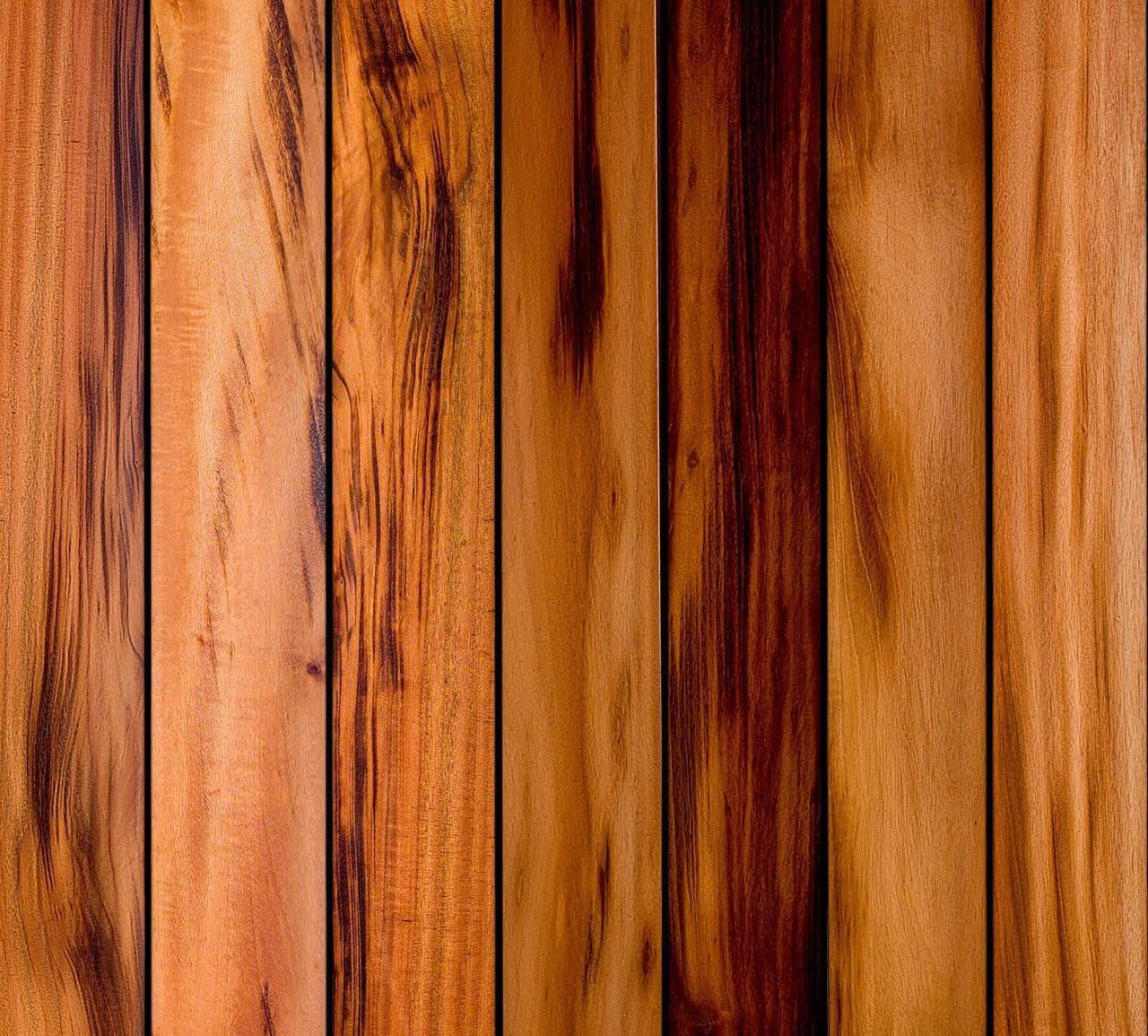
Tigerwood (Astronium graveolens), also known as Goncalo Alves, is an exotic hardwood originating from Brazil. It is recognized for its unique aesthetic, featuring golden-brown tones with distinct dark brown streaks.
Its inherent density contributes to its durability and resistance to rot, decay, termites, and moisture. Despite its natural resistance, providing an environment where the wood can breathe and manage moisture effectively through ventilation is still beneficial for sustaining these characteristics.
Tigerwood decking is typically available in profiles such as 5/4"x6" (actual 1" x 5.5") in lengths ranging from 3 to 24 feet, and is kiln-dried (KD).
Assessing Your Site for Ventilation Needs
Before planning your deck's ventilation, evaluate your specific site conditions. Consider factors such as the deck's height above the ground, the surrounding landscaping, and prevailing winds. Decks built low to the ground (e.g., less than 18-24 inches) often require more deliberate ventilation strategies because natural airflow is more restricted.
Observe if any sides of the deck area are enclosed by walls, fencing, or dense plantings, as these can impede air circulation. Areas with high humidity, frequent rainfall, or poor drainage can also exacerbate moisture challenges under a deck. A site assessment helps identify potential problem areas and guides the selection of appropriate ventilation solutions.
Achieving Adequate Airflow: Design Principles
Effective under-deck ventilation aims to create a continuous path for air to enter, circulate, and exit the space beneath the deck. This typically involves a combination of open sides, skirting design, and sometimes, specific venting products.
For elevated decks, leaving the perimeter open is often the simplest and most effective way to ensure ample airflow. If skirting is desired for aesthetic reasons or to deter pests, consider incorporating vents or latticework that allow air to pass through freely. The goal is to avoid creating a sealed, stagnant air pocket under the deck.
Ensure that grading around the deck promotes water runoff away from the structure. Avoid landscaping that traps moisture or restricts airflow, such as dense bushes planted directly against the deck skirting. Maintain clear space between the ground and the underside of the deck framing where possible.
Worked Example: Ventilating a Low-Profile Tigerwood Deck
Consider a hypothetical 12-foot by 16-foot Tigerwood deck, built 18 inches off the ground, with one long side (16 feet) against a house wall and the other three sides open to a yard. The homeowner wants to add decorative skirting to the two 12-foot ends and the remaining 16-foot side, but needs to ensure proper ventilation.
To achieve cross-ventilation, the design incorporates continuous lattice skirting along the two 12-foot ends and the 16-foot open side. The lattice chosen has 1-inch diamond openings, providing approximately 50% open area. For a 12-foot section of skirting that is 18 inches high (1.5 feet), the area is 12 ft x 1.5 ft = 18 sq ft. With 50% open area, this provides 9 sq ft of ventilation. The two ends combined offer 18 sq ft of ventilation.
For the 16-foot side, the area is 16 ft x 1.5 ft = 24 sq ft, yielding 12 sq ft of ventilation. The total effective ventilation area is 18 sq ft + 12 sq ft = 30 sq ft. This design allows air to enter from one side, circulate under the deck, and exit through the opposite or adjacent sides, preventing stagnant air pockets.
Before you order
- What is the height of the deck above grade?
- Are any sides of the deck enclosed by existing structures or dense landscaping?
- What are the prevailing wind patterns in the area?
- Does the site have good drainage away from the deck foundation?
- Will skirting be used, and if so, what type of ventilation will be incorporated (e.g., lattice, vents)?
- Is there sufficient clear space between the ground and the underside of the deck framing for airflow?
- How will the ventilation design accommodate potential future landscaping changes?
Confirm installation details, approved uses and warranty terms in the current instructions for the exact product and profile. Your installer should verify the substrate, structure and applicable project requirements.
Questions to help you decide
Does Tigerwood decking require special ventilation compared to other hardwoods?
While Tigerwood is naturally resistant to moisture, all hardwood decking benefits from proper ventilation. Its density means it can be slower to release absorbed moisture. Therefore, ensuring good airflow beneath a Tigerwood deck is just as important as for other hardwoods to promote even drying and long-term stability.
What are common signs of inadequate under-deck ventilation?
Signs of poor ventilation can include persistent dampness or musty odors under the deck, visible mold or mildew growth on the underside of deck boards or framing, and deck boards that show signs of cupping, warping, or uneven discoloration, particularly if these issues are more pronounced on the underside.
Can I use solid skirting around my Tigerwood deck?
Using solid skirting without any openings can significantly impede airflow and is generally not recommended for decks, especially low-profile ones. If solid skirting is desired for aesthetic reasons, it is crucial to integrate purpose-built vents or grilles to ensure adequate cross-ventilation. The amount and placement of these vents should be carefully planned based on the deck's size and height.
Plan Your Tigerwood Decking Project
Ready to enhance your outdoor space with the distinct beauty and durability of Tigerwood decking? Contact us with your project dimensions, desired profile, and ZIP code to request a material quote. Our team can help confirm current availability and service options for your project.
Request a material quote →