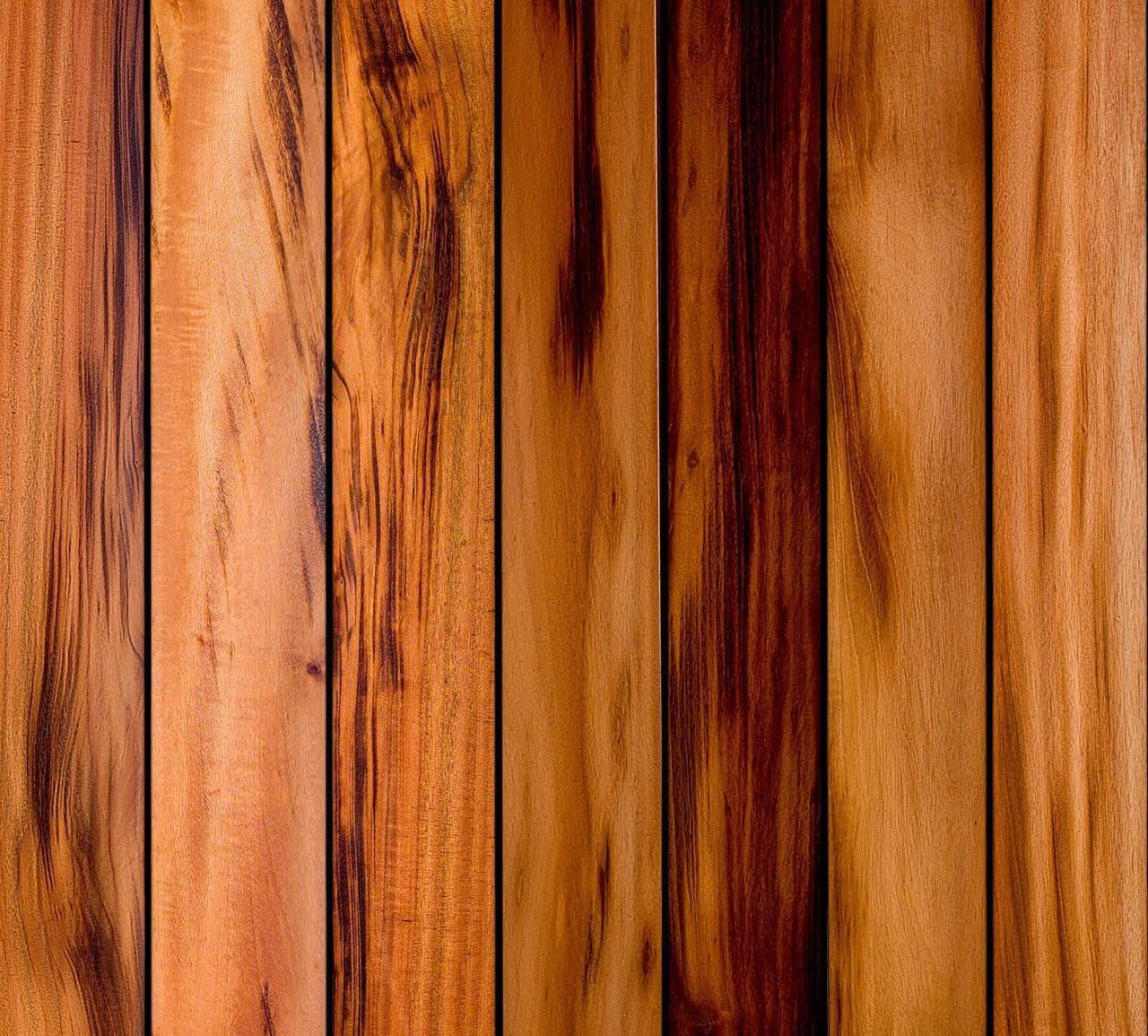
Why Tigerwood Suits Vacation Homes
Tigerwood is an exotic hardwood known for its golden-brown hues contrasted by dark brown streaks, giving it a unique visual appeal. Beyond aesthetics, its practical benefits make it suitable for a vacation home setting. It is one of the densest exotic hardwoods available, contributing to its durability and resistance to various environmental factors.
Its natural resistance to termites and moisture is a significant advantage for properties that might sit vacant for extended periods. This inherent resilience means less worry about common issues like rot or insect damage while you are away. Tigerwood's hardness also provides scratch resistance, helping it endure occasional heavy use and the wear from seasonal changes without showing significant signs of distress.
The material's natural water repellency, attributed to its oils, further reduces the need for constant attention, making it a good choice for decks exposed to varying weather conditions without immediate intervention.
Planning for Infrequent Visits and Maintenance
A key consideration for vacation home decking is the interval between visits and the effort required to maintain the deck.
While all outdoor decking benefits from some maintenance, Tigerwood's natural properties minimize the urgent tasks. For instance, its moisture resistance means you are less likely to encounter significant water damage after a rainy season if the deck is left unattended. The decision to apply a finish or allow it to naturally weather to a silver-gray patina can also influence the maintenance schedule. An unfinished deck generally requires less immediate intervention for re-coating but will show color changes over time.
Consider the local climate and how long the property will be vacant. In areas with heavy leaf fall or significant pollen, a quick wash might be needed upon arrival. However, the core structural integrity of Tigerwood is designed to endure, even with less frequent intensive care.
Aesthetic Consistency and Weathering
Tigerwood's distinctive golden-brown and dark streak pattern offers a dramatic look that can enhance the aesthetic of any vacation home. This unique figure allows the deck to serve as a focal point, complementing natural surroundings or architectural styles.
Over time, like all natural hardwoods, Tigerwood will undergo a natural weathering process when exposed to UV light. It will gradually transition to a silver-gray patina. For a vacation home, this can be an appealing, low-maintenance aesthetic that blends seamlessly with natural landscapes. If you prefer to maintain the original vibrant colors, regular application of a UV-inhibiting oil finish will be necessary. This choice should be made with a realistic assessment of how often you or a property manager can commit to such a routine.
Even when weathered, the underlying durability and structural integrity of the Tigerwood remain. The change in color does not diminish its performance, making it a practical option for those who prioritize longevity and minimal upkeep over constant color retention.
Installation and Professional Considerations
While Tigerwood is considered "easy to work with" in terms of its general handling, its density means that installation typically requires professional-grade tools, carbon-tipped saw blades, and pre-drilling for fasteners. This is not a material for a casual DIY weekend project, especially given the precision needed for a lasting deck.
For a vacation home, engaging a skilled contractor who is experienced with exotic hardwoods like Tigerwood is advisable. They can ensure proper installation, adequate ventilation beneath the deck, and correct spacing between boards, all of which contribute to the deck's longevity and performance. Proper installation from the outset is crucial to minimize future maintenance and repair needs, which is particularly important for a property that isn't always occupied.
Discuss with your installer the fastening methods, such as hidden fasteners or face-fastening, and how these choices might impact the long-term appearance and maintenance of the deck.
Example: Planning Tigerwood for a 200 sq ft Coastal Deck
Consider a hypothetical vacation home with a 200 square foot deck in a coastal area. The property is visited quarterly, and an annual deep clean is feasible.
Given the coastal environment, moisture resistance and durability are paramount. Tigerwood's natural resistance to moisture and termites (Source S1) is a strong advantage, reducing concerns about salt air and humidity. The deck will be exposed to significant sun, so the natural weathering to a silver-gray is a likely outcome if no regular oiling is performed. This can be embraced as a desirable, low-maintenance aesthetic that complements the coastal surroundings.
For a 200 sq ft deck, using 5/4"x6" (actual 1" x 5.5") Tigerwood boards, which come in lengths from 3–24 ft (Source S1), an approximate calculation for boards needed would be as follows:
Each 1" x 5.5" board covers approximately 0.458 sq ft per linear foot (5.5 inches / 12 inches/foot = 0.458 feet; 1 foot * 0.458 feet = 0.458 sq ft).
To cover 200 sq ft, you would need roughly 200 / 0.458 = 436 linear feet of decking.
To account for cuts, waste, and specific layout needs, it is prudent to add a waste factor, typically 10-15%. For this example, we'll use 15% waste: 436 linear feet * 1.15 = 501.4 linear feet. Boards are typically sold in full lengths, so the exact number of boards will depend on the available lengths and a detailed cut plan. For instance, if primarily using 12-foot lengths, you'd need approximately 42 boards (501.4 / 12).
It's crucial to confirm exact project dimensions and board lengths to optimize material use and minimize waste. An experienced contractor can help develop a precise material list.
Before you order
- Assess the frequency of visits and available maintenance time.
- Consider the local climate and its impact on decking materials.
- Decide between maintaining the original color or allowing natural weathering.
- Budget for professional installation due to Tigerwood's density.
- Plan for proper under-deck ventilation to maximize longevity.
- Review fastening options with your installer to suit your aesthetic and maintenance goals.
- Obtain a detailed material quote based on exact project dimensions and desired board profiles.
Confirm installation details, approved uses and warranty terms in the current instructions for the exact product and profile. Your installer should verify the substrate, structure and applicable project requirements.
Questions to help you decide
How long can Tigerwood decking last at a vacation home?
Its natural density provides significant durability and resistance to rot and decay, making it suitable for properties that may not receive constant attention.
Does Tigerwood require sealing or staining to protect it from the elements?
Tigerwood is naturally water repellent due to its oils and is resistant to moisture and termites. While sealing or staining can help preserve its original golden-brown hues and dark streaks, it will naturally weather to a silver-gray patina without regular UV-inhibiting oil application. This weathered look is often embraced for its low-maintenance appeal.
Is Tigerwood a good choice for vacation homes in humid or coastal areas?
Yes, Tigerwood is highly resistant to moisture and termites, which are common concerns in humid or coastal environments. Its durability helps it withstand these conditions, making it a resilient option for vacation homes in such locales.
Ready to Plan Your Tigerwood Vacation Home Deck?
Request a material quote with your project dimensions, exact profile, and ZIP code to confirm current availability and service options for Tigerwood decking. Explore our full range of decking products, including other hardwood options like Ipe, or consider composite and PVC alternatives for your project.
Request a material quote →