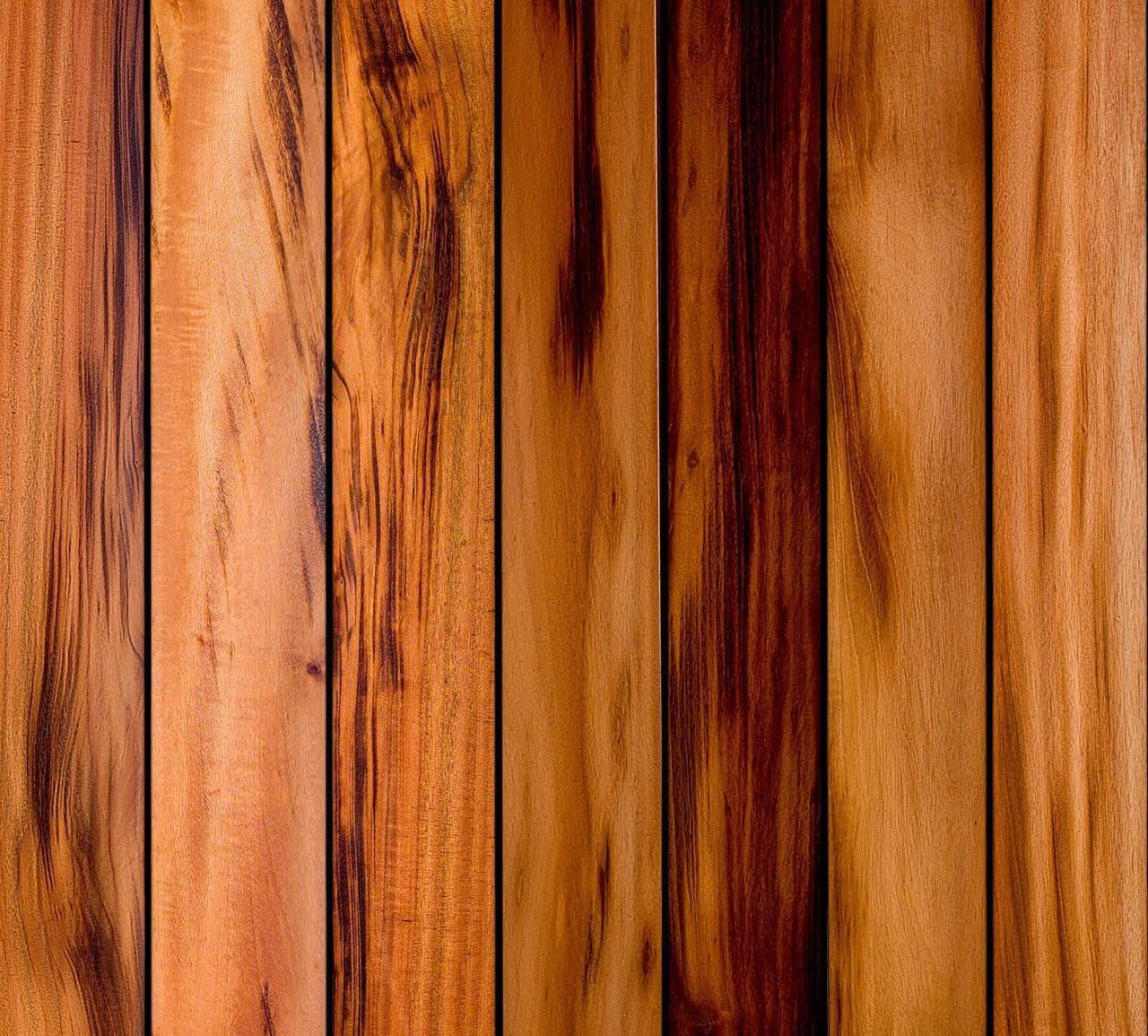
Understanding Tigerwood's Characteristics for Shaded Sites
Tigerwood's natural oils contribute to its water repellency and resistance to decay, which are advantages in any outdoor setting. Its high density (air dry density of 4.92 lbs/bf, specific gravity of 0.91) means it is a robust material. However, in a shaded environment, the absence of direct sunlight means slower evaporation of surface moisture. This can extend the time it takes for the deck surface to dry after rain, dew, or cleaning.
While Tigerwood is moisture-resistant, prolonged surface wetness can encourage the growth of mildew or algae, which may affect its appearance over time. Understanding this interaction is crucial for planning proper ventilation and maintenance strategies specific to shaded conditions.
Importance of Ventilation in Shaded Deck Design
Adequate ventilation beneath and around a shaded deck is paramount. Stagnant, moist air trapped beneath the deck can create an environment conducive to moisture-related issues, even for a durable material like Tigerwood. Proper airflow helps to dry both the top and bottom surfaces of the decking boards, as well as the supporting substructure.
Consider incorporating design elements that promote air circulation. This might include ensuring sufficient spacing between deck boards, avoiding solid skirting that obstructs airflow, and potentially grading the ground beneath the deck to prevent water pooling. For decks close to the ground, this becomes even more critical. The goal is to replicate, as much as possible, the drying effects that direct sunlight provides on an unshaded deck.
Board Spacing and Installation for Optimal Drying
The spacing between individual Tigerwood deck boards plays a vital role in drying. While manufacturer guidelines for spacing should always be followed, a shaded environment might benefit from reviewing the upper end of the recommended spacing range to facilitate better drainage and airflow. This allows water to quickly pass through the deck surface and promotes air circulation between boards, aiding in faster drying.
Tigerwood decking is available in profiles such as 5/4"x6" (actual 1"x5.5"). These boards are typically kiln-dried (KD) before shipment. During installation, it's important to account for potential movement as the wood acclimates to the job site conditions. Consult specific product documentation for exact spacing recommendations, especially when using hidden fastener systems, as these often have built-in spacing.
Maintenance and Cleaning for Shaded Tigerwood Decks
Regular cleaning is especially important for Tigerwood decks in shaded areas to prevent the accumulation of organic matter and minimize the potential for mildew or algae growth. A routine cleaning schedule, perhaps more frequent than for a sun-exposed deck, can help preserve its distinctive golden-brown hues and dark streaks.
Use a soft-bristle brush and a mild cleaning solution designed for hardwood decks. Avoid harsh chemicals or high-pressure washers, which can damage the wood fibers or strip its natural oils. After cleaning, ensure the deck has ample time to dry completely. For persistent issues, consult with a professional deck cleaner who has experience with exotic hardwoods in shaded conditions. While Tigerwood is naturally water repellent, applying a suitable deck finish or sealer can offer an additional layer of protection and help maintain its aesthetic over time.
Hypothetical Project Example: Shaded Deck with Tigerwood
Consider a hypothetical deck project measuring 12 feet by 16 feet, situated under a canopy of mature oak trees, providing consistent shade throughout the day. The homeowner desires Tigerwood for its unique appearance and durability. For this project, a key design decision is to maximize ventilation and drainage.
The deck frame will be elevated 18 inches off the ground to allow for good cross-ventilation underneath. Instead of solid lattice, a slatted skirting will be used, providing both aesthetic appeal and airflow. The ground beneath the deck will be sloped away from the house and covered with gravel to prevent moisture accumulation. For a 12x16 foot deck (192 sq ft), if using 1"x5.5" boards in 12-foot lengths, approximately 42 boards would be needed, assuming minimal waste and accounting for cuts. This calculation is for area coverage and does not include end cuts or specific layout considerations.
Before you order
- Assess the degree and duration of shade on the deck area.
- Plan for adequate ventilation beneath the deck structure.
- Confirm appropriate board spacing for drainage and drying.
- Establish a proactive cleaning and maintenance schedule.
- Consider ground preparation under the deck to prevent moisture.
- Research compatible deck finishes or sealers for shaded conditions.
- Review manufacturer guidelines for installation and care in shaded environments.
Confirm installation details, approved uses and warranty terms in the current instructions for the exact product and profile. Your installer should verify the substrate, structure and applicable project requirements.
Questions to help you decide
Does Tigerwood fade differently in the shade compared to sun?
All natural wood, including Tigerwood, will undergo some color change over time. In shaded areas, the natural weathering process, which typically involves a silvering or graying, may occur more slowly or with less intensity than in full sun. However, the lack of direct UV exposure can also mean that moss or mildew might be more prevalent without proper cleaning, potentially altering the surface appearance. Regular cleaning and an optional finish can help maintain its vibrant streaks.
What kind of substructure is best for a shaded Tigerwood deck?
A well-ventilated substructure is critical for a shaded Tigerwood deck. This includes using pressure-treated lumber for joists and beams, ensuring proper spacing between joists, and elevating the deck sufficiently above the ground to allow for continuous airflow. Avoiding solid perimeter enclosures and ensuring the ground beneath is free of debris and sloped for drainage will further enhance the longevity of both the decking and the frame.
Can I use hidden fasteners with Tigerwood in a shaded area?
Yes, hidden fasteners are compatible with Tigerwood in shaded areas. Many hidden fastener systems are designed to provide consistent spacing between boards, which is beneficial for drainage and ventilation. Always ensure the chosen fastener system is specifically recommended for dense hardwoods like Tigerwood and follow the manufacturer's installation instructions precisely, paying close attention to recommended board spacing for your climate and site conditions.
Ready to Plan Your Shaded Tigerwood Deck?
Request a material quote today. Provide your project dimensions, desired Tigerwood profile, and ZIP code, and we'll help you confirm current availability and service options for your unique project.
Request a material quote →