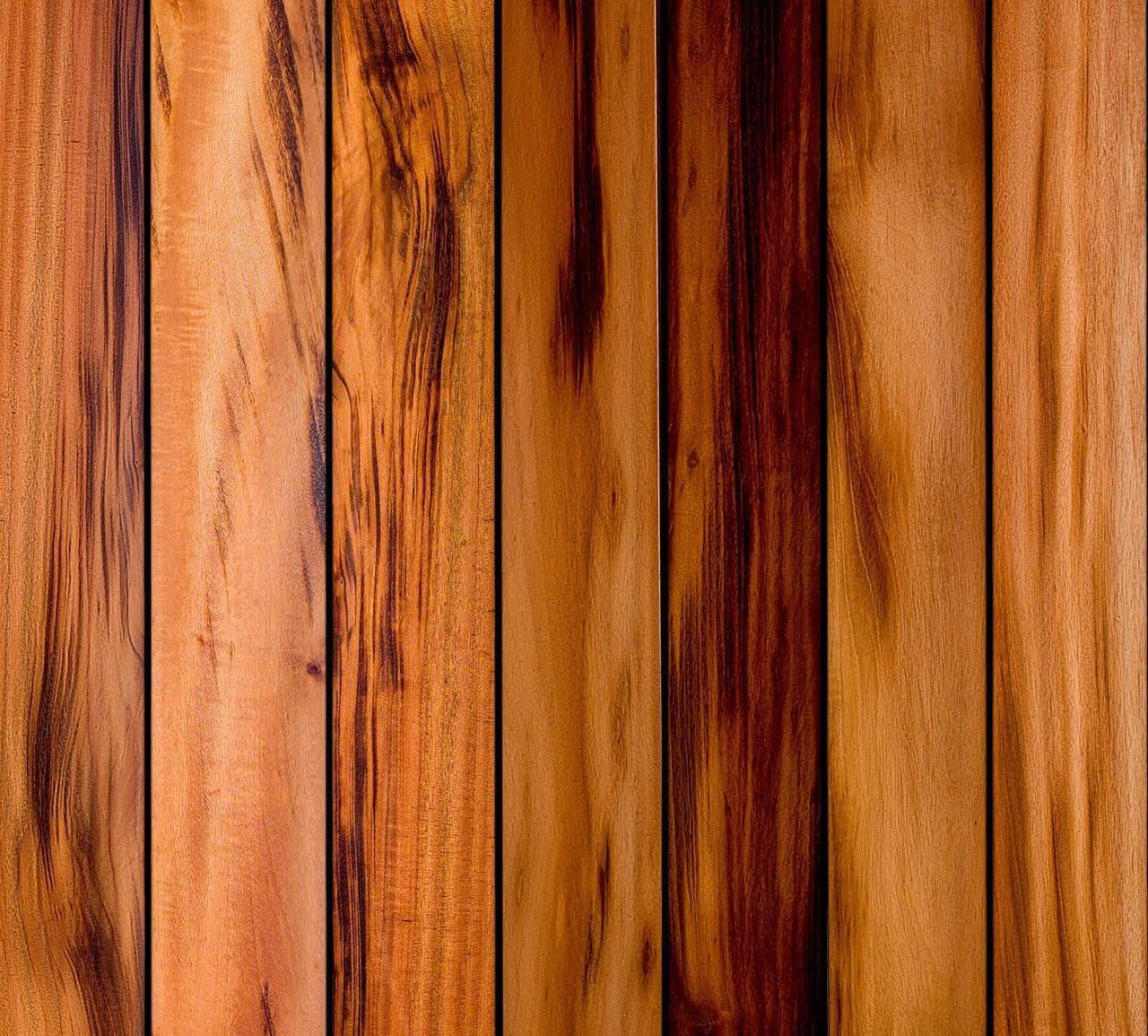
Understanding Tigerwood's Suitability for Commercial Patios
Tigerwood (Astronium graveolens), also known as Goncalo Alves, is an exotic hardwood originating from Brazil. Its primary appeal for commercial applications stems from its inherent durability and hardness. With a high density, Tigerwood offers resistance to rot and decay, which is crucial for outdoor areas exposed to varied weather and frequent cleaning.
The wood's natural oils also make it resistant to moisture and termites, reducing the need for extensive chemical treatments. For a restaurant patio, where spills and cleaning are routine, these properties can simplify upkeep. The distinctive striped appearance of Tigerwood provides a unique visual element that can enhance the ambiance of a dining space, differentiating it from more common decking materials.
However, its density also means that professional-grade tools, carbon-tipped saw blades, and pre-drilling are typically required for installation. This is an important factor to discuss with your contractor during the planning phase.
For commercial use, the inherent scratch resistance of Tigerwood is a notable advantage, helping the surface withstand the movement of chairs and tables over time without showing excessive wear. This characteristic supports the material's ability to maintain its appearance in a high-traffic setting.
Designing for Seating Layout and Foot Traffic
A restaurant patio's layout must prioritize guest comfort, operational efficiency, and safety. When planning with Tigerwood decking, consider how the board orientation can influence the perceived flow of space. Running boards parallel to the main entrance can create a sense of depth, while perpendicular boards might define distinct seating zones. The standard profile for Tigerwood decking is typically 1 inch x 5.5 inches (5/4"x6"), with lengths available from 3 to 24 feet, offering flexibility in layout design.
High-traffic areas, such as pathways to restrooms or service stations, will experience concentrated wear. While Tigerwood is durable, strategic layout planning can further distribute this wear. Consider creating clear, unobstructed pathways and positioning dining areas to minimize unnecessary footfall across the entire deck surface.
For furniture placement, the inherent hardness of Tigerwood helps resist indentations from chair and table legs. However, using furniture glides or pads can further protect the surface and reduce noise, especially when furniture is frequently rearranged. The stability of the decking surface is also vital for preventing wobbly tables and ensuring a comfortable dining experience.
Maintenance Considerations for Commercial Settings
Maintaining a Tigerwood patio in a commercial environment differs from residential care due to increased exposure to food, beverages, and daily cleaning. Tigerwood is naturally water repellent, which aids in managing spills. Regular cleaning with appropriate commercial-grade cleaners is essential to remove grime and maintain hygiene.
Over time, Tigerwood, like other hardwoods, will naturally weather to a silver-gray patina if left untreated. For restaurants that prefer to maintain the wood's original golden-brown hues and dark streaks, periodic application of a UV-inhibiting oil finish is necessary. This clear coat helps preserve the vibrant striping. The frequency of reapplication will depend on sun exposure, traffic levels, and cleaning regimens.
It is important to use cleaning products that are compatible with hardwood and to follow manufacturer guidelines. Avoid harsh chemicals or abrasive cleaning methods that could damage the wood's surface or compromise its natural properties. Promptly addressing spills and routine sweeping can significantly reduce the build-up of dirt and extend the time between deeper cleanings.
Specification Review: Dimensions, Profiles, and Fasteners
Before ordering Tigerwood decking, a thorough review of specifications is crucial for a commercial project. The available profile for Tigerwood decking is typically 5/4"x6" (actual dimensions 1 inch x 5.5 inches), with lengths ranging from 3 to 24 feet. This standard size is versatile for most patio designs. Longer board lengths can minimize the number of butt joints, creating a more continuous and visually appealing surface, which can be particularly desirable in larger commercial spaces.
Consider the fastening method carefully. Hidden fasteners create a smooth, uninterrupted surface, which can be advantageous in a restaurant setting for aesthetics and to prevent snagging. However, if face-fastening is chosen for its robustness, ensure that screws are pre-drilled and properly countersunk to avoid protrusions that could pose a tripping hazard or catch on furniture.
Discuss ventilation requirements with your installer. Proper airflow beneath the deck is essential to prevent moisture accumulation and ensure the long-term stability of the decking. This is especially important in commercial settings where cleaning often involves water.
Always confirm the exact dimensions, drying method (Kiln Dried is standard), and any specific installation requirements with your supplier and installer. This ensures the material meets the demands of a commercial application and is installed correctly for optimal performance.
Hypothetical Patio Project: The "Striped Bistro" Deck
Imagine a new restaurant, "The Striped Bistro," planning an outdoor dining area. The available space is a rectangular area measuring 20 feet by 30 feet, connected to the main restaurant entrance. The owner wants a durable, distinctive deck that can accommodate approximately 12 tables, each seating four people.
Using Tigerwood decking with nominal dimensions of 5/4"x6" (actual 1" x 5.5"), we can plan the material needs. The total area is 20 ft * 30 ft = 600 square feet. To calculate the number of linear feet needed, we first consider the actual width of the boards. If laid parallel to the 30-foot length, each board covers 5.5 inches (0.4583 feet).
Number of boards across the 20-foot width: 20 ft / 0.4583 ft/board = 43.64 boards. Since we can't use fractional boards for the full length, we'd need 44 boards. Each of these boards would be 30 feet long. Total linear feet: 44 boards * 30 ft/board = 1320 linear feet.
Considering that Tigerwood is available in lengths up to 24 feet, we would need to plan for seams. For a 30-foot run, each row would require one 24-foot board and one 6-foot board. This means for each of the 44 rows, we'd purchase one 24-foot board and one 6-foot board, assuming 6-foot lengths are available and yield minimal waste. If only longer lengths are available, such as 8-foot or 10-foot, the waste factor would increase.
Total 24-foot boards: 44. Total 6-foot boards: 44. This calculation is a basic area-equivalent coverage; actual purchase quantities would account for cuts, waste, and potentially longer stock lengths to minimize joints. It's always advisable to add 10-15% for waste and cuts. This hypothetical example illustrates the initial steps in quantifying material for a commercial project.
Before you order
- Confirm local building codes and commercial use approvals for hardwood decking.
- Evaluate expected foot traffic patterns and furniture usage for wear considerations.
- Decide on desired aesthetic: natural weathering or maintaining original color with oil.
- Verify available Tigerwood profiles (e.g., 5/4"x6") and lengths (3-24 ft) with supplier.
- Choose between hidden or face-fastening systems based on aesthetics and traffic.
- Plan for adequate under-deck ventilation to prevent moisture issues.
- Budget for professional installation due to Tigerwood's density.
- Identify compatible commercial-grade cleaning and maintenance products.
- Factor in ongoing maintenance costs and labor for cleaning and re-oiling (if desired).
Confirm installation details, approved uses and warranty terms in the current instructions for the exact product and profile. Your installer should verify the substrate, structure and applicable project requirements.
Questions to help you decide
Is Tigerwood suitable for high-traffic commercial patios?
Yes, Tigerwood is well-suited for high-traffic commercial patios. Its high density and hardness provide excellent resistance to scratches and wear, making it durable enough to withstand constant foot traffic and the movement of furniture in a restaurant setting. It also offers resistance to rot, decay, and moisture, which are important factors for outdoor commercial spaces.
What maintenance does Tigerwood decking require for a restaurant patio?
For a restaurant patio, Tigerwood requires regular cleaning to remove food spills and grime, using commercial-grade, hardwood-compatible cleaners. If you wish to preserve its original golden-brown color and dark streaks, periodic application of a UV-inhibiting oil finish is recommended. Without treatment, it will naturally weather to a silver-gray patina. Prompt spill cleanup and routine sweeping will help maintain its appearance and longevity.
What are the typical dimensions of Tigerwood decking available?
Tigerwood decking is commonly available in a 5/4"x6" profile, which translates to actual dimensions of 1 inch thick by 5.5 inches wide. Board lengths typically range from 3 feet to 24 feet. Always confirm current availability and specific dimensions with your supplier when planning your project.
Ready to Design Your Restaurant Patio with Tigerwood Decking?
Request a material quote today. Provide your project dimensions, desired profile, and ZIP code to confirm current availability and service options for your commercial Tigerwood decking project. Our team can help you specify the right materials for a durable and visually striking outdoor dining space.
Request a material quote →