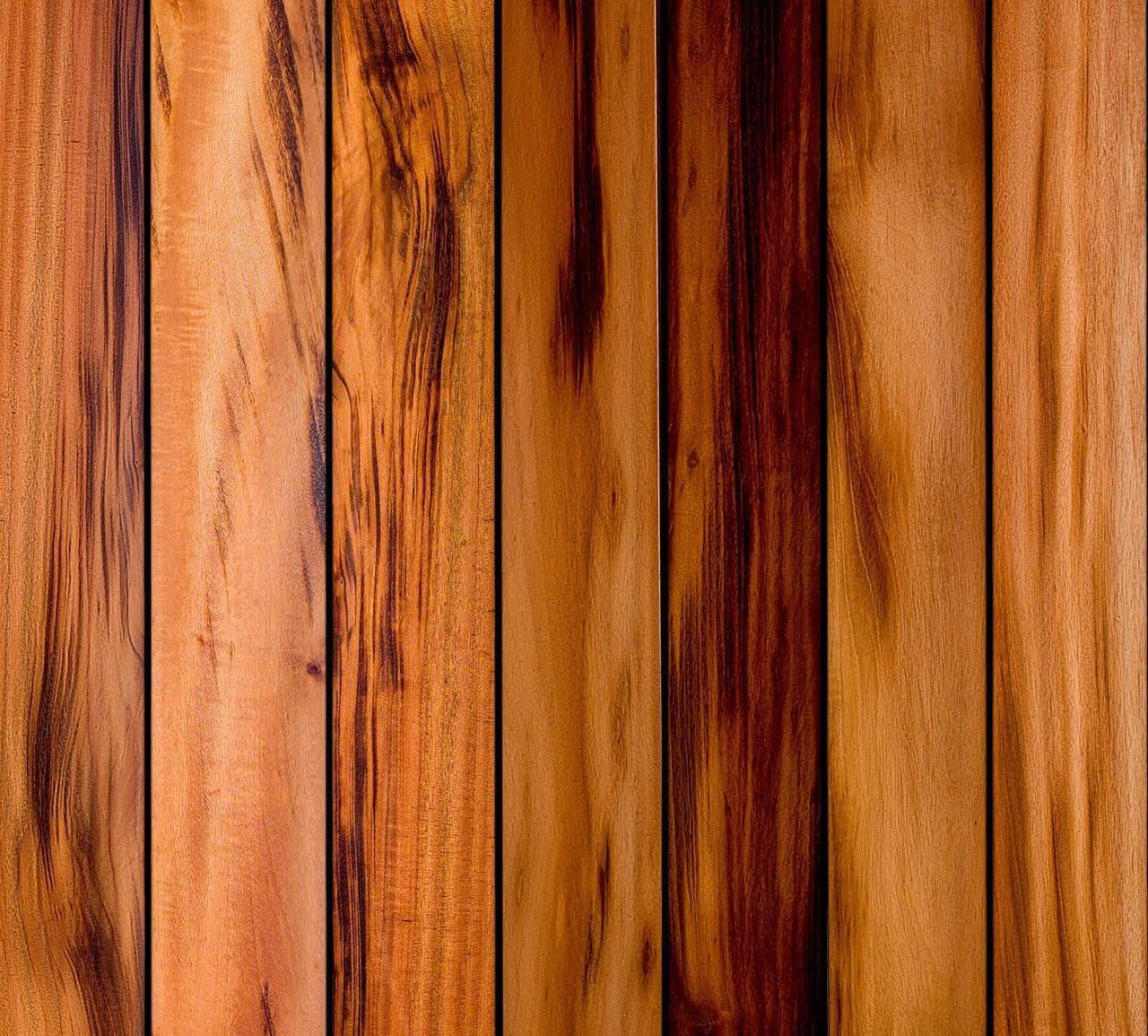
Understanding Tigerwood Decking as a Material
Tigerwood, botanically known as Astronium graveolens, is an exotic hardwood originating from Brazil. It is characterized by its golden-brown hues contrasted with dark brown streaks, giving it a distinctive appearance. This wood is recognized for its density, which contributes to its durability and resistance to rot, decay, termites, and moisture. Its natural oils also make it water repellent.
The material is available in profiles such as 5/4"x6" (actual 1" x 5.5") with lengths ranging from 3 to 24 feet. This range of lengths allows for design flexibility and can influence material waste depending on your deck's dimensions and layout. Its inherent hardness and scratch resistance make it suitable for areas with frequent use.
Initial Purchase and Material Costs
The purchase cost of Tigerwood decking is typically higher than many common decking materials, reflecting its exotic origin, aesthetic appeal, and inherent durability. When planning your budget, consider the square footage of your deck and the specific board profiles and lengths required.
A hypothetical 12-foot by 16-foot deck covers 192 square feet. To calculate the lineal footage needed, consider the board width and any necessary waste factor for cuts and imperfect boards. For 5.5-inch wide boards, approximately 2.18 lineal feet are needed per square foot. This means about 418.56 lineal feet of decking would be required, before accounting for waste. A common practice is to add 10-15% for waste, depending on the complexity of the deck layout and board lengths purchased. Longer boards can reduce waste from butt joints but may incur higher per-foot costs or require special handling during delivery.
Remember that the material cost is only one component. Shipping costs, especially for exotic hardwoods, can be substantial and vary based on distance and order size. Always request a comprehensive quote that includes all material and delivery charges.
Installation Considerations and Associated Costs
Installing Tigerwood decking requires specific tools and expertise due to its density. It generally calls for professional-grade tools, carbon-tipped saw blades, and pre-drilling for fasteners. This makes DIY installation more challenging for many homeowners and often necessitates professional installation, which adds to the overall project cost.
Fastener choice also impacts installation. While Tigerwood can be face-fastened, many prefer hidden fastening systems for a cleaner aesthetic. Ensure that any chosen fastener system is compatible with dense hardwoods and allows for the natural expansion and contraction of the wood.
Labor costs for installation will vary based on your location, the complexity of the deck design, and the installer's experience with exotic hardwoods. Obtain multiple bids from qualified contractors, specifying that the material is Tigerwood, to ensure accurate pricing.
Long-Term Ownership: Maintenance Tasks
Tigerwood decking is known for its low maintenance requirements compared to some other wood types. Its natural oils contribute to its water repellency and resistance to decay. However, 'low maintenance' does not mean 'no maintenance'.
To maintain its golden-brown hues and dark streaks, regular cleaning and periodic application of a UV-inhibiting oil finish are recommended. Without a finish, Tigerwood, like other hardwoods, will naturally weather to a silver-gray patina over time. The frequency of oiling depends on sun exposure and climate conditions. In sunny environments, reapplication might be needed annually, while in shaded areas, it could be less frequent.
Cleaning typically involves sweeping away debris and washing with a mild cleaner and water. Avoid harsh chemicals that could damage the wood. Regular checks for any loose fasteners or minor damage are also part of good ownership practice.
Comparing Lifecycle Costs: A Hypothetical Example
Let's consider our 12-foot by 16-foot deck (192 sq ft).
**Initial Purchase & Installation (Year 0):**
Build this part of the estimate from the current supplier quote. Record the exact product, quoted unit, quantity, compatible accessories and delivery costs separately so assumptions do not become advertised prices.
Build this part of the estimate from the current supplier quote. Record the exact product, quoted unit, quantity, compatible accessories and delivery costs separately so assumptions do not become advertised prices.
Build this part of the estimate from the current supplier quote. Record the exact product, quoted unit, quantity, compatible accessories and delivery costs separately so assumptions do not become advertised prices.
Build this part of the estimate from the current supplier quote. Record the exact product, quoted unit, quantity, compatible accessories and delivery costs separately so assumptions do not become advertised prices.
**Ongoing Maintenance (Over 10 Years):**
Build this part of the estimate from the current supplier quote. Record the exact product, quoted unit, quantity, compatible accessories and delivery costs separately so assumptions do not become advertised prices.
Build this part of the estimate from the current supplier quote. Record the exact product, quoted unit, quantity, compatible accessories and delivery costs separately so assumptions do not become advertised prices.
Build this part of the estimate from the current supplier quote. Record the exact product, quoted unit, quantity, compatible accessories and delivery costs separately so assumptions do not become advertised prices.
**Total Estimated Cost Over 10 Years:** (Initial Investment) + (Total Maintenance Over 10 Years).
This example highlights that while initial material cost is significant, installation and ongoing maintenance also contribute considerably to the overall budget. These figures are hypothetical and actual costs will vary based on market prices, labor rates, and specific product choices.
Before you order
- Have you obtained a current quote for Tigerwood decking, including specific profiles and lengths?
- Have you factored in a waste percentage (typically 10-15%) for cuts and board selection?
- Have you included shipping and delivery costs in your material budget?
- Have you received bids from qualified contractors experienced with exotic hardwoods for installation?
- Have you considered the cost of specialized tools if planning a DIY installation?
- Have you budgeted for compatible fasteners (hidden or face-fastened)?
- Are you prepared for annual cleaning and periodic reapplication of a UV-inhibiting oil finish to maintain color?
- Have you accounted for the potential cost of professional maintenance if you do not plan to do it yourself?
Confirm installation details, approved uses and warranty terms in the current instructions for the exact product and profile. Your installer should verify the substrate, structure and applicable project requirements.
Questions to help you decide
How long does Tigerwood decking last?
Its density and natural oils contribute to its longevity.
Does Tigerwood decking require special care?
While considered low maintenance, Tigerwood decking benefits from regular cleaning and periodic application of a UV-inhibiting oil finish to preserve its distinctive color. Without oiling, it will naturally weather to a silver-gray patina.
Is Tigerwood decking difficult to install?
Due to its hardness and density, Tigerwood decking requires professional-grade tools, carbon-tipped saw blades, and pre-drilling for fasteners. This makes installation more involved than with softer woods and often necessitates professional expertise.
Request a Quote for Your Tigerwood Decking Project
Ready to plan your Tigerwood decking project? Request a material quote with your project dimensions, desired profile, and ZIP code to confirm current availability and service options. We can help you understand the initial material costs for your specific project.
Request a material quote →