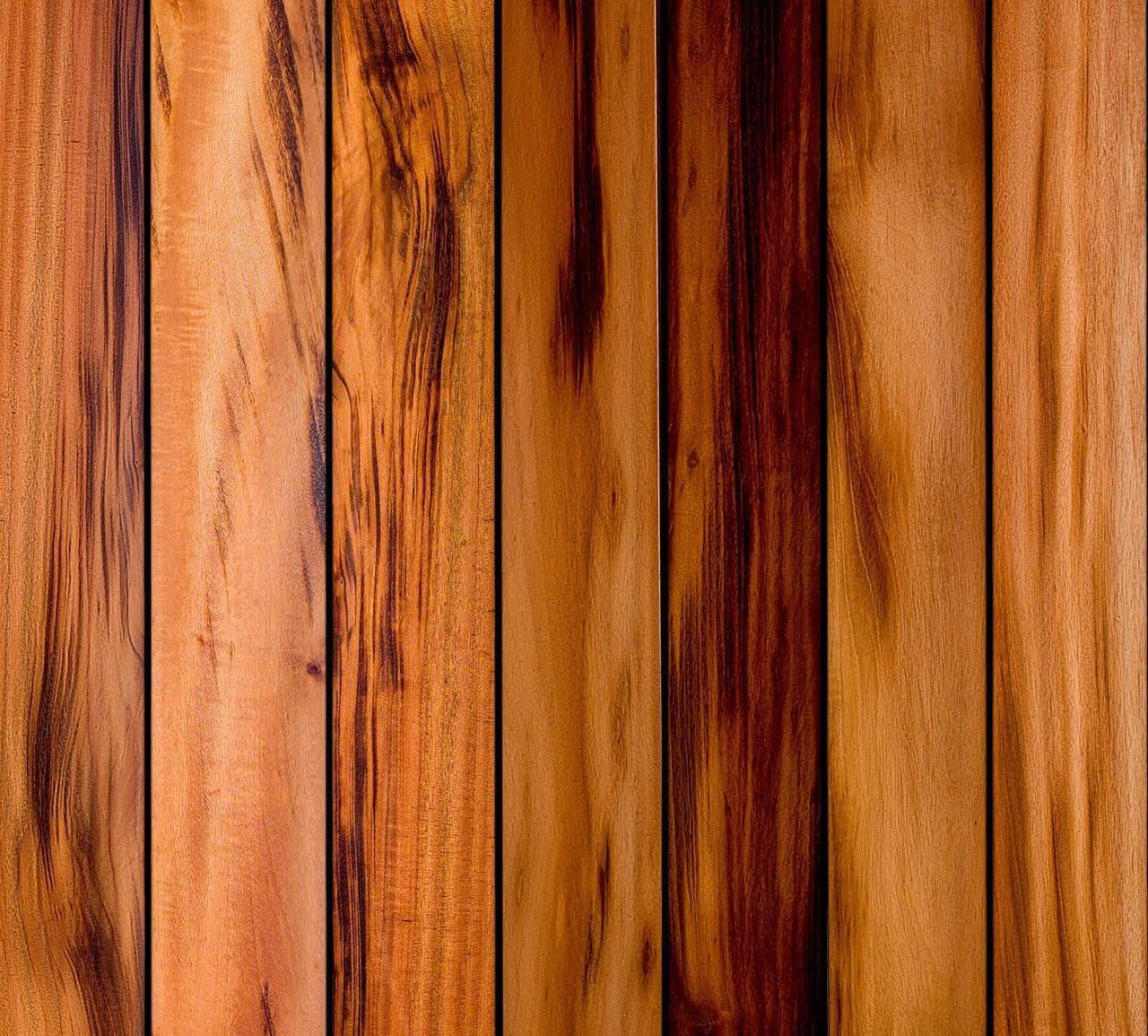
Understanding Tigerwood's Natural Resilience
Tigerwood (Astronium graveolens), also known as Goncalo Alves, is an exotic hardwood originating from Brazil. It is characterized by its golden-brown hues contrasted with striking dark brown streaks, giving it a unique, tiger-like striped figure. This wood is one of the densest hardwoods available, contributing to its notable durability.
Its natural density and inherent oils contribute to its resistance against moisture, rot, decay, and termites. These properties make Tigerwood a naturally resilient material for outdoor applications, including decking, where exposure to environmental elements is constant.
This inherent toughness is a primary reason why Tigerwood is considered for decks in full sun. It possesses a natural ability to withstand harsh conditions, which is crucial for a material constantly exposed to intense UV rays and heat. Its hardness also provides scratch resistance, standing up to regular use over time.
Sunlight's Effect on Tigerwood's Appearance
Like most natural hardwoods, Tigerwood's appearance will change when exposed to direct sunlight over time. Initially, its vibrant golden-brown and dark streaked pattern is prominent. However, without regular UV protection, the wood will naturally lighten and develop a silvery-gray patina.
This graying process is a natural oxidation reaction to UV light and is not an indication of damage or reduced durability. Some homeowners prefer this weathered look, as it can blend seamlessly with natural landscapes. If you wish to maintain the original rich colors, periodic application of a UV-inhibiting oil finish is necessary. This forms a protective barrier and enhances the wood's natural tones.
When planning a sun-exposed deck, consider whether you prefer the natural silvering or the maintained original color. This decision will influence your maintenance schedule and product choices. Physical samples of Tigerwood, both new and weathered, can help visualize the potential aesthetic changes.
Planning for Heat Absorption and Barefoot Comfort
Any dark-colored decking material can absorb and retain heat from direct sunlight, potentially making the surface hot to the touch. While Tigerwood's natural golden-brown and darker streaks contribute to its beauty, the darker areas may absorb more heat than lighter tones. This is a common characteristic of many dense hardwoods.
When designing a sun-exposed deck, consider the implications for barefoot comfort, especially in warmer climates. Strategic shade planning can mitigate this. Incorporating pergolas, awnings, or shade sails can provide relief during peak sun hours, making the deck more comfortable for use. The layout of seating areas, dining spaces, and pathways should also account for sun exposure and potential surface temperatures.
If shade structures are not part of the plan, consider using outdoor rugs or mats in high-traffic areas where people might walk barefoot. It's important to understand that while Tigerwood is durable, its surface temperature in full sun will be a factor for comfort.
Installation Considerations for Sun-Exposed Decks
Installing Tigerwood decking requires professional-grade tools, carbon-tipped saw blades, and pre-drilling due to its density. Proper ventilation beneath the deck is crucial for any outdoor decking material, especially in sun-exposed areas. Good airflow helps to minimize moisture buildup and regulate temperature differences between the top and bottom of the boards, contributing to the deck's stability.
Ensure that the substructure allows for adequate drainage and air circulation. Board spacing should follow manufacturer guidelines precisely, as this accounts for natural expansion and contraction of the wood. Using compatible hidden fasteners can contribute to a clean aesthetic while allowing for the wood's natural movement.
For optimal performance and appearance retention, it is recommended to apply an initial coat of a suitable exterior wood finish shortly after installation, especially if you wish to preserve the original color. This initial application helps to protect against the immediate effects of UV exposure and weathering.
Worked Example: Designing a Sun-Exposed Deck with Tigerwood
Consider a hypothetical 10-foot by 12-foot deck (120 square feet) adjacent to a south-facing wall, receiving full sun from late morning through afternoon. The homeowner desires to maintain the rich, striped appearance of Tigerwood.
This would translate to roughly 26 boards of 10-foot length, or an equivalent combination of lengths (e.g., eight 12-foot boards and ten 10-foot boards to minimize cuts).
To manage sun exposure and heat, the plan includes a retractable pergola covering half the deck, allowing for shade during peak hours. This provides a cooler zone for seating and dining. Additionally, the homeowner commits to an annual application of a clear, UV-inhibiting oil finish to preserve the golden-brown and dark streaked aesthetic.
The project also includes a border of the same Tigerwood decking, framing the main area. This requires careful measurement and cutting to ensure a seamless look, adding to the total linear footage needed. The installer will also ensure a minimum of 18 inches of clear space below the deck for ventilation.
Before you order
- Assess the exact sun exposure duration and intensity for your deck area.
- Decide if you prefer the natural silver-gray patina or wish to maintain the original color with finishes.
- Consider shade solutions (pergolas, awnings, umbrellas) for comfort during peak sun hours.
- Review local building codes for deck ventilation requirements.
- Obtain physical samples of Tigerwood to observe its color and grain firsthand.
- Discuss installation methods, including fastening and spacing, with your contractor.
- Plan for the initial application and ongoing maintenance schedule for finishes.
- Evaluate complementary materials for railings, stairs, and furniture that can also withstand sun.
Confirm installation details, approved uses and warranty terms in the current instructions for the exact product and profile. Your installer should verify the substrate, structure and applicable project requirements.
Questions to help you decide
Does Tigerwood fade in the sun?
Yes, like most natural hardwoods, Tigerwood will gradually lighten and develop a silvery-gray patina when exposed to direct sunlight and UV rays without protective finishes. This is a natural process and does not compromise the wood's structural integrity or durability. To maintain the original rich golden-brown hues and dark streaks, regular application of a UV-inhibiting oil finish is recommended.
Is Tigerwood decking hot to walk on in full sun?
Any dark-colored decking material can absorb heat from direct sunlight, and Tigerwood, with its golden-brown and dark streaked appearance, may become warm or hot to the touch in full sun, especially during peak hours. The actual surface temperature will depend on ambient temperature, sun intensity, and local climate conditions. Incorporating shade solutions or using outdoor rugs can help improve barefoot comfort.
How do I maintain Tigerwood decking in a sunny location?
To maintain the original color and protect against UV degradation, apply a high-quality exterior wood finish with UV inhibitors shortly after installation and then periodically as needed (typically annually or bi-annually, depending on the product and exposure). If you prefer the natural silvering, maintenance primarily involves regular cleaning to remove dirt and debris, and ensuring good ventilation to prevent moisture buildup. Always refer to the specific finish manufacturer's instructions for application and reapplication schedules.
Ready to Plan Your Sun-Exposed Tigerwood Deck?
Provide your project dimensions, desired Tigerwood profile, and ZIP code to request a material quote. Our team can also confirm current availability and service options for your area. Explore our full range of Tigerwood decking at [product page link: /decking/hardwood/tigerwood] and other decking options at [product page link: /decking].
Request a material quote →