Why Consider Tigerwood for Hospitality Decks?
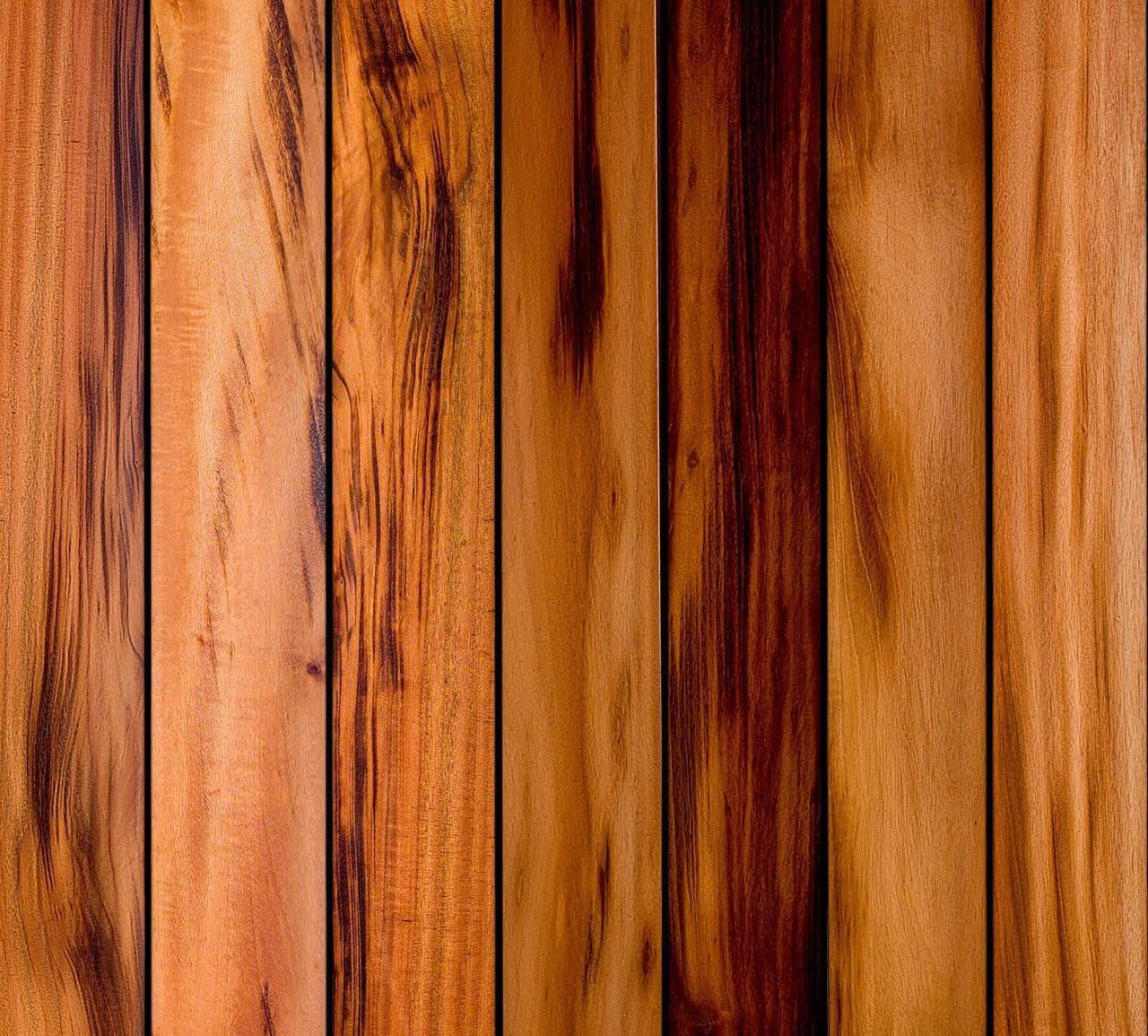
Hospitality environments demand materials that can withstand continuous use while maintaining an inviting appearance. Tigerwood (Astronium graveolens), also known as Goncalo Alves, is an exotic hardwood originating from Brazil, recognized for its striking visual appeal and robust nature. Its golden-brown base color is dramatically contrasted by dark brown to black streaking, giving it a 'tiger-striped' figure.
Beyond its unique look, Tigerwood is one of the densest exotic hardwoods available. This density contributes to its durability and resistance to wear, making it a suitable choice for areas that experience significant foot traffic. Its natural oils also provide a degree of moisture resistance, which is beneficial for outdoor settings exposed to weather and potential spills. These properties suggest a material that, with appropriate planning and maintenance, can offer both visual distinction and a long service life in commercial applications.
For hospitality settings, where first impressions and guest satisfaction are paramount, the material's ability to resist scratches and maintain its appearance over time is a key advantage. The natural variations in Tigerwood’s grain and color also mean that each deck will have a unique character, avoiding a monotonous look often associated with synthetic materials.
Durability and Hardness for High-Traffic Areas
A critical factor for any hospitality decking material is its ability to endure heavy foot traffic without showing premature signs of wear. This inherent hardness makes it a robust option for areas like hotel pool decks, restaurant patios, or resort pathways where hundreds of guests may walk daily.
The density of Tigerwood also contributes to its overall durability, making it resistant to rot and decay. This is especially important for outdoor commercial spaces that are exposed to varying weather conditions, from intense sun to rain. Its natural resistance to termites and moisture further enhances its suitability for long-term outdoor applications, potentially reducing the need for frequent board replacements due to environmental factors.
Visual Consistency and Aesthetic Integration
The distinctive golden-brown hues with dark brown streaks of Tigerwood offer a dramatic visual element that can enhance the design of hospitality spaces. This unique look can contribute to a memorable guest experience, aligning with the overall branding and aesthetic goals of a hotel, resort, or restaurant. When planning a hospitality deck, consider how the natural variations of Tigerwood will complement surrounding architectural elements, landscaping, and interior design themes.
To maintain visual consistency across large or multi-level hospitality projects, it's important to understand that natural hardwoods will exhibit color variations. While this is part of their appeal, careful selection and blending of boards during installation can help achieve a harmonious overall appearance. Over time, like many hardwoods, Tigerwood may naturally weather to a silver-gray patina if left untreated. For those who prefer to preserve the original rich colors, periodic application of a UV-inhibiting oil finish is recommended. This decision should be made early in the planning process to set expectations for long-term maintenance and aesthetic outcomes.
Installation Considerations for Commercial Scale
Installing Tigerwood decking for a hospitality project requires professional expertise and specialized tools due to its density and hardness. Professional-grade tools, carbon-tipped saw blades, and pre-drilling for fasteners are typically necessary to ensure a proper and secure installation. The density of Tigerwood also means that gluing is difficult, so fastening methods must be carefully planned.
For commercial applications, factors such as board spacing, ventilation, and structural support are particularly important to ensure safety and longevity. Proper ventilation beneath the deck helps prevent moisture buildup, which is crucial for any outdoor wood installation, especially in areas with high humidity or frequent cleaning. The available profile for Tigerwood decking is typically 5/4"x6" (actual 1" x 5.5"), in lengths ranging from 3 to 24 feet. This range of lengths allows for flexibility in design layouts, minimizing seams and optimizing material use on larger projects. Always consult the specific product documentation for exact installation guidelines, including recommended fastener types and spacing, to ensure compliance with manufacturer specifications and local building codes.
Consider the overall project timeline, as working with dense hardwoods can sometimes require more time than softer woods or composite materials. Coordinating with experienced installers familiar with exotic hardwoods will help ensure the project stays on schedule and meets the high standards required for hospitality spaces.
Maintenance Planning for Guest-Facing Areas
Effective maintenance is crucial for any hospitality surface, particularly decking that experiences constant guest interaction. Tigerwood is naturally water repellent due to its oils and resistant to termites and moisture, contributing to its low maintenance profile for general upkeep. However, to maintain its vibrant golden-brown and dark streaked appearance, periodic cleaning and oiling are recommended.
For hospitality settings, a regular cleaning schedule is essential to address spills, food debris, and general grime that can accumulate in high-traffic areas. Mild soap and water, along with a soft brush, are typically sufficient for routine cleaning. For projects aiming to retain the original color, an annual or bi-annual application of a penetrating oil with UV inhibitors can help prevent the wood from fading to a silver-gray patina. This maintenance routine should be integrated into the property's operational budget and schedule.
The 'low maintenance' classification for decking applications primarily refers to its resistance to rot and decay, not necessarily a complete absence of aesthetic upkeep. Clear communication with maintenance staff about the specific care requirements for Tigerwood will ensure its long-term beauty and performance, contributing positively to the guest experience.
Hypothetical Project: Resort Poolside Deck
Let's consider a hypothetical resort project requiring a new poolside deck measuring 30 feet by 50 feet. The design calls for a standard straight lay of Tigerwood decking boards, with minimal visible fasteners. The total area to cover is 1,500 square feet.
Using 5/4"x6" (actual 1" x 5.5") Tigerwood decking boards, each board covers approximately 0.458 square feet per linear foot (5.5 inches / 12 inches/foot). To cover 1,500 square feet, approximately 3,275 linear feet of decking would be needed, assuming no waste. Factoring in a typical 10-15% waste factor for cuts, miscuts, and board selection, the project would require around 3,600 to 3,760 linear feet of material.
If the boards are available in mixed lengths, the procurement would involve ordering a combination of lengths (e.g., 12-foot, 16-foot, 20-foot) to optimize cuts and minimize waste. For instance, if using primarily 20-foot boards, approximately 180-190 boards would be needed. This calculation is a starting point; a detailed cut plan considering the exact dimensions of the deck and any features (e.g., stairs, planters) is essential for precise ordering. The resort would also need to plan for compatible hidden fastening systems and appropriate substructure materials, such as pressure-treated lumber or steel framing, to support the dense Tigerwood decking. Finally, a finishing oil with UV protection would be specified to maintain the rich color against intense sun exposure typical of poolside environments.
Before you order
- Assess the expected foot traffic and wear patterns in the hospitality area.
- Determine the desired long-term aesthetic: natural silvering or maintained original color.
- Confirm local building codes and structural requirements for commercial decking.
- Evaluate the existing substructure or plan for a new, robust support system.
- Consult with experienced installers familiar with dense exotic hardwoods.
- Plan for a hidden fastening system for a smooth, guest-friendly surface.
- Establish a clear maintenance schedule and budget for cleaning and re-oiling.
- Consider complementary materials like railings, lighting, and furniture to enhance the overall guest experience.
- Request samples to verify color and grain patterns against design intent.
Confirm installation details, approved uses and warranty terms in the current instructions for the exact product and profile. Your installer should verify the substrate, structure and applicable project requirements.
Questions to help you decide
How does Tigerwood stand up to heavy foot traffic in commercial settings?
This makes it highly resistant to scratches, dents, and general wear from heavy foot traffic, making it a durable choice for hospitality applications.
What kind of maintenance does Tigerwood decking require for a hospitality outdoor space?
While naturally resistant to rot and decay, Tigerwood benefits from regular cleaning with mild soap and water to address spills and dirt. To preserve its original golden-brown and dark streaked appearance, periodic application of a UV-inhibiting oil is recommended, typically annually or bi-annually, depending on sun exposure and desired aesthetic.
Is Tigerwood decking resistant to moisture and termites, which are common concerns for outdoor commercial spaces?
Yes, Tigerwood is naturally resistant to both moisture and termites. Its inherent oils provide water repellency, and its density offers protection against insect infestations. These properties contribute to its longevity and suitability for outdoor commercial environments.
Plan Your Hospitality Deck with Tigerwood
Ready to enhance your hospitality space with the distinctive beauty and durability of Tigerwood decking? Request a material quote today by providing your project dimensions, desired profile, and ZIP code. Confirm current availability and service options to start your project planning.
Request a material quote →