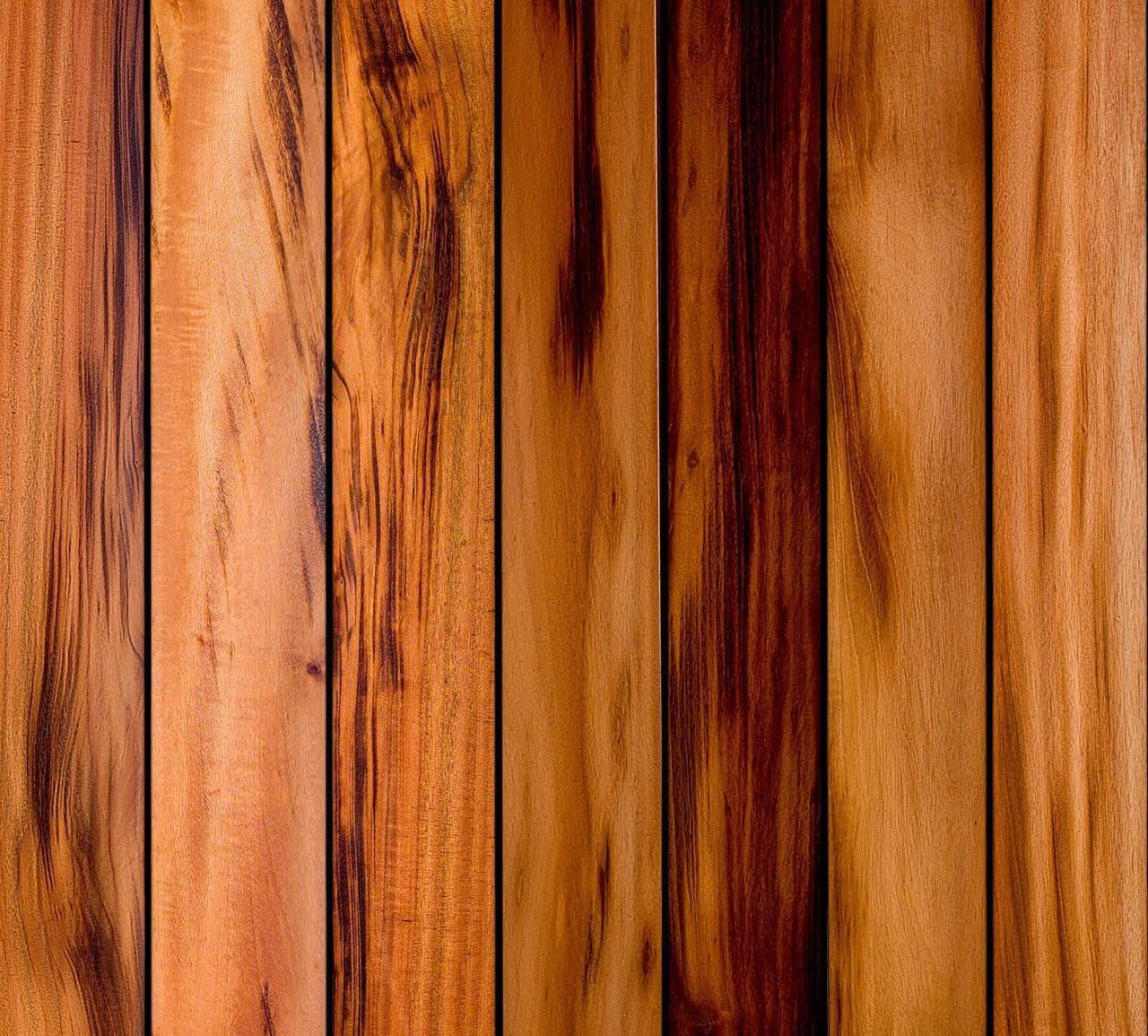
Assess the Existing Frame's Condition
Before considering any frame reuse, a thorough inspection of the entire substructure is critical. This includes posts, beams, joists, and ledger boards. Look for any signs of rot, decay, insect damage, or structural weakness. Probe the wood with an awl or screwdriver; if it penetrates easily, the wood may be compromised. Pay close attention to areas where wood contacts the ground or concrete, as well as connections to the house.
Check for loose fasteners, excessive deflection (sagging) in joists or beams, and any signs of water pooling or improper drainage. The ledger board, which attaches the deck to your house, is particularly important. Ensure it is securely fastened and flashed correctly to prevent water intrusion into your home's structure.
Verify Joist Spacing for Tigerwood Decking
Tigerwood is a dense and heavy hardwood. Proper joist spacing is essential to support its weight and prevent board deflection or warping over time. Standard Tigerwood decking boards are typically available in 5/4"x6" (1" x 5.5" nominal) profiles.
Adding new joists involves careful planning to integrate them correctly with the existing structure. They must be securely fastened to the beams and ledger board, maintaining consistent spacing. This step is non-negotiable for ensuring the long-term stability and performance of your Tigerwood deck.
Check for Adequate Ventilation and Drainage
Hardwood decking, including Tigerwood, performs best when there is sufficient airflow around and beneath the boards. This helps prevent moisture accumulation, which can lead to issues like cupping, warping, or premature decay. Ensure your deck design allows for ample ventilation. If the existing frame is very low to the ground or enclosed, you may need to consider adding vents or adjusting landscaping to improve airflow.
Proper drainage is also vital. The ground beneath the deck should slope away from the house, preventing water from pooling. If your existing substructure traps moisture, addressing these drainage issues before installing new decking is crucial.
Consider Fastening Systems and Board Spacing
Tigerwood decking can be installed using hidden fasteners or face-fastened with screws. If you plan to use a hidden fastening system, ensure your existing joists are in good enough condition to hold the fasteners securely. Face-fastening will require pre-drilling due to Tigerwood's density. Regardless of the fastening method, proper board spacing is necessary to allow for natural expansion and contraction.
The specific spacing requirements will depend on the board width and expected moisture content changes in your climate. Always refer to the manufacturer's installation guidelines for precise recommendations. This attention to detail ensures a durable and visually appealing finished surface.
Worked Example: Frame Reuse Scenario
Imagine you have an existing 10-foot by 12-foot deck frame. Your current decking is worn, and you're considering replacing it with Tigerwood. The existing decking boards are 5/4" x 6" (nominal).
These new joists must be properly sized and securely attached to the existing beams and ledger board using appropriate hangers and fasteners. This adds material and labor costs, but it's essential for the structural integrity of your new Tigerwood deck.
Before you order
- Is the existing frame free from rot, decay, or insect damage?
- Are all structural components (posts, beams, joists, ledger) sound and securely fastened?
- Is there adequate ventilation beneath the deck?
- Does the ground beneath the deck slope away for proper drainage?
- Are you prepared to pre-drill for face-fasteners or use a compatible hidden fastening system?
- Have you accounted for the weight of Tigerwood decking in your structural assessment?
Confirm installation details, approved uses and warranty terms in the current instructions for the exact product and profile. Your installer should verify the substrate, structure and applicable project requirements.
Questions to help you decide
Is Tigerwood decking much heavier than other decking materials?
Yes, Tigerwood is one of the densest exotic hardwoods available, with an air dry density of 4.92 lbs/bf and a specific gravity of 0.91. This density contributes to its durability but also means it is heavier than many other decking materials like treated pine, cedar, or some composite options. This added weight necessitates a robust and properly spaced substructure.
What happens if I don't adjust my joist spacing for Tigerwood?
If joist spacing is too wide for Tigerwood decking, the boards may sag, cup, or warp over time. The material's natural expansion and contraction, combined with insufficient support, can lead to an uneven deck surface, premature wear, and potential safety hazards. Proper joist spacing is crucial for the longevity and performance of your Tigerwood deck.
Can I mix new and old lumber in my deck frame?
You can mix new and old lumber in a deck frame, provided the old lumber is in excellent structural condition and compatible with the new materials. Ensure all new and existing components meet local building codes and are appropriately treated for outdoor use. It's always best to consult with a qualified builder or engineer when modifying an existing structural frame.
Ready to Transform Your Deck with Tigerwood?
Request a material quote with your project dimensions, exact profile, and ZIP code to confirm current availability and service options for Tigerwood decking. We recommend consulting with a qualified installer to assess your existing frame before finalizing your order.
Request a material quote →