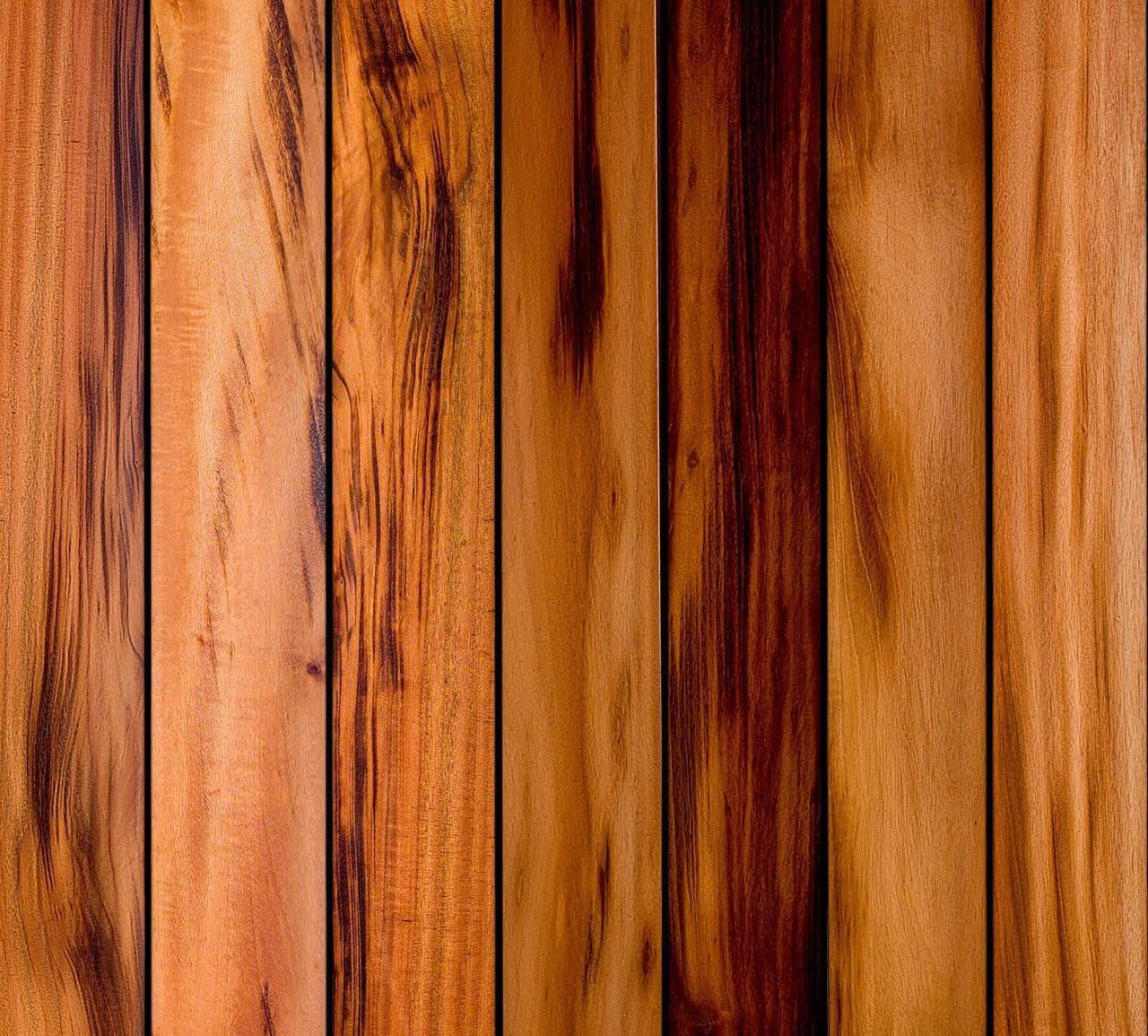
The Natural Beauty of Unfinished Tigerwood
When Tigerwood decking boards are first installed, they typically display their natural, vibrant coloration: a striking blend of golden-browns with pronounced dark brown streaks. This is the wood's inherent appearance, showcasing its unique figure and character. The surface is often smooth, though the exact texture can vary slightly depending on the milling process at the factory.
This initial appearance is a key draw for many homeowners, as it brings a warm, exotic feel to any outdoor space. The contrast between the light and dark tones is particularly evident when the wood is dry and clean. Understanding this starting point is crucial, as it provides the baseline against which all other finish appearances are compared.
Natural Weathering: Embracing the Silver-Gray Patina
One common approach to Tigerwood decking is to allow it to weather naturally. When exposed to sunlight and the elements without protective sealants, Tigerwood will gradually transition from its initial golden-brown and dark streaked appearance to a soft, silver-gray patina. This process is similar to how other dense hardwoods, like Ipe, age over time.
The development of this patina is a natural oxidation process. While the distinctive dark streaks may become less prominent as the wood grays, the underlying character and texture of the Tigerwood remain. This weathered look is often favored for its low-maintenance appeal and the sophisticated, muted aesthetic it brings to a deck. It integrates well into natural landscapes and can provide a timeless appearance.
Choosing natural weathering means accepting the change in color over time. It does not compromise the wood's durability or resistance to rot and decay, as Tigerwood is naturally very durable and moisture resistant. Regular cleaning to remove dirt and debris is still recommended to maintain the integrity of the deck surface.
Preserving the Original Color with Sealants
For those who prefer to retain Tigerwood's rich, golden-brown hues and prominent dark streaks, applying a UV-inhibiting sealant or deck oil is necessary. These products help protect the wood from the sun's ultraviolet rays, which are the primary cause of color fading and graying. Sealants can enhance the natural grain and provide a deeper, more lustrous appearance.
The choice of sealant can influence the exact shade and sheen of the finished deck. Clear sealants will allow the natural colors to shine through, while some tinted oils might subtly alter the tone. It is important to select a product specifically designed for dense hardwoods like Tigerwood, as their natural oils and density can affect absorption.
Maintaining the original color requires a commitment to periodic reapplication of the sealant. The frequency will depend on factors such as sun exposure, local climate, and the specific product used. Typically, this might range from annual to biennial reapplication. This approach involves more active maintenance but rewards with the sustained vibrant appearance of fresh Tigerwood.
Understanding the Factory Surface and Milling
Tigerwood decking is typically supplied in profiles such as 5/4"x6" (actual 1" x 5.5"). The milling process at the factory results in a smooth, kiln-dried (KD) surface. This ready-to-install condition means that the boards are already prepared for either immediate installation and natural weathering or for the application of a protective finish.
The smoothness of the factory surface is conducive to both approaches. If you choose to seal the deck, the smooth finish allows for even application and absorption of the sealant. If you opt for natural weathering, the consistent surface will gray uniformly over time. Always inspect boards upon delivery to ensure they meet your expectations for surface quality before installation.
Worked Example: A 10x12 Foot Tigerwood Deck
Consider a hypothetical 10-foot by 12-foot Tigerwood deck. You have two primary finish appearance goals:
Option 1: Allow the deck to weather naturally. For this, you would install the Tigerwood boards and perform routine cleaning to remove dirt and leaves. Over 6-12 months, the golden-brown tones would gradually soften, and the deck would begin to take on a beautiful silver-gray patina. The maintenance would primarily involve sweeping and occasional washing.
Option 2: Preserve the original golden-brown and dark streaked appearance. After installation, you would apply a high-quality UV-inhibiting deck oil specifically formulated for dense hardwoods. This initial application would bring out the rich colors. To maintain this look, you would plan to clean the deck and reapply the oil every 12 to 18 months, depending on sun exposure. This option requires more active engagement with maintenance products but ensures the deck retains its initial dramatic figure.
Considerations for Coastal and Winter Exposure
For projects in coastal areas, the combination of intense sun, salt air, and potential moisture can accelerate the weathering process. If you desire to maintain the original color, more frequent sealant applications may be necessary. The salt air can also contribute to a faster development of the silver-gray patina if left untreated.
In regions with winter exposure, particularly those with snow and ice, the decking will experience cycles of freezing and thawing. While Tigerwood is moisture resistant, consistent exposure to standing water can still affect its surface. Regardless of your finish choice, ensuring proper drainage and ventilation beneath the deck is important for long-term performance. The appearance changes discussed apply year-round; winter conditions may simply add another layer of environmental impact.
Before you order
- Desired initial appearance: Golden-brown with dark streaks vs. immediate graying.
- Long-term appearance goal: Silver-gray patina vs. sustained rich color.
- Maintenance commitment: Low (cleaning only) vs. moderate (cleaning and re-sealing).
- Climate considerations: High sun exposure or coastal conditions may accelerate weathering.
- Budget for sealants: Factor in the cost of products and application for color preservation.
- Compatibility with existing structures: How will the deck's finish complement your home and landscape?
- Installer's recommendations: Discuss finish options and maintenance with your contractor.
Confirm installation details, approved uses and warranty terms in the current instructions for the exact product and profile. Your installer should verify the substrate, structure and applicable project requirements.
Questions to help you decide
Can I change my mind later if I let my Tigerwood deck gray?
Yes, if you initially allow your Tigerwood deck to weather to a silver-gray, it is generally possible to restore some of its original color by thoroughly cleaning the deck and then applying a suitable deck brightener and a UV-inhibiting oil. This process can be labor-intensive, and the results may vary, but it offers flexibility in your long-term aesthetic choice.
Will natural weathering affect the lifespan of my Tigerwood deck?
No, allowing Tigerwood to weather naturally to a silver-gray patina does not diminish its inherent durability or lifespan. Tigerwood is naturally very durable, resistant to rot, decay, and termites. The color change is a surface-level oxidation process and does not compromise the structural integrity or long-term performance of the wood, which is rated for over 25 years.
What kind of sealant should I use for Tigerwood decking?
When choosing a sealant to preserve Tigerwood's original color, look for high-quality, UV-inhibiting deck oils specifically formulated for dense exotic hardwoods. These products are designed to penetrate the wood effectively and provide protection against sun exposure while enhancing the natural grain. Always follow the manufacturer's application instructions carefully.
Plan Your Tigerwood Decking Project
Ready to select Tigerwood decking for your outdoor space? Request a material quote with your project dimensions, desired profile, and ZIP code to confirm current availability and service options. Our team can help you understand the material requirements for your chosen finish appearance.
Request a material quote →