Visual Impact and Design Considerations
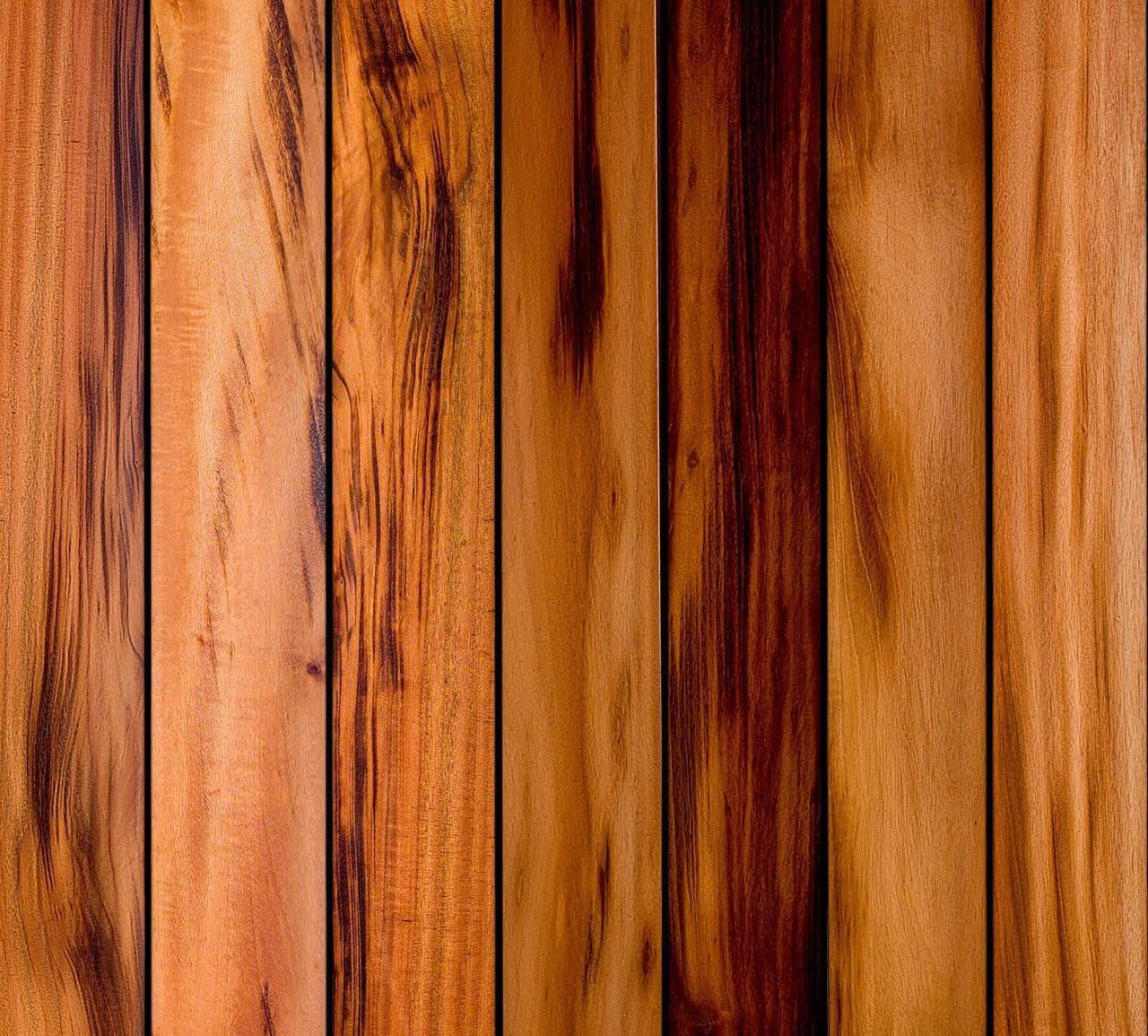
A diagonal layout immediately draws the eye, creating a sense of dynamic flow across the deck surface. This approach can be particularly effective for rectangular or irregularly shaped decks, helping to soften rigid lines and integrate the deck more seamlessly with its surroundings. The distinct streaking pattern of Tigerwood (Astronium graveolens) is further emphasized when laid diagonally, as the lines of the grain run across the length and width of the deck simultaneously. This can create a more intricate and engaging visual texture compared to a straight layout.
Consider the angle of your diagonal boards. While 45 degrees is common, angles like 30 or 60 degrees can also be used to achieve different visual effects. The chosen angle will influence both the appearance and the complexity of cuts. For smaller decks, a diagonal pattern can visually enlarge the space, while for larger decks, it can break up monotony and add architectural interest.
Calculating Material Needs for Diagonal Layouts
One of the primary differences when planning a diagonal layout is the increased material waste due to angled cuts. Unlike parallel installations where offcuts from one row can often be used to start the next, diagonal cuts frequently result in shorter, unusable pieces. As a general rule, expect to account for 15-20% more material than you would for a straight layout of the same square footage. This additional allowance helps cover waste and provides a buffer for mistakes or future repairs.
For a hypothetical 10-foot by 12-foot rectangular deck (120 square feet), a straight layout might require approximately 130-140 square feet of decking to account for typical waste and trimming. For a diagonal layout of the same area, you should plan for closer to 145-160 square feet. This ensures you have enough full-length boards and can manage the necessary angled cuts at the perimeter without running short. Always confirm board lengths available, such as the 3-24 ft lengths for 5/4"x6" Tigerwood boards, to optimize your cutting plan.
Adjusting Joist Spacing and Support for Diagonal Boards
Diagonal decking boards distribute weight differently across the substructure compared to parallel boards. This can necessitate adjustments to joist spacing. While Tigerwood is a dense and durable material, spanning joists diagonally can increase the effective span between supports for each board. To maintain structural integrity and prevent deflection, it's often recommended to reduce the on-center spacing of your joists when installing decking diagonally.
This provides more frequent support points for the decking boards. Always consult a qualified builder or engineer and refer to the specific manufacturer's installation guidelines for Tigerwood decking to confirm appropriate joist spacing for your chosen angle and board profile. The product available is typically 5/4"x6" (1" x 5.5" nominal) boards.
Working with Tigerwood: Tools and Fastening
When making angled cuts for a diagonal layout, using professional-grade tools with carbon-tipped saw blades is essential to ensure clean, precise cuts and to prolong blade life. Standard saw blades may dull quickly or bind.
Pre-drilling is necessary for all fasteners to prevent splitting, especially near board ends and angled cuts. Gluing Tigerwood is generally difficult due to its density. For fastening, consider compatible hidden fasteners for a clean, uninterrupted surface, or face-fasten with appropriate screws. Always follow the manufacturer's recommendations for board spacing and fastening, as proper spacing is crucial for drainage and allowing for natural expansion and contraction of the wood.
The Picture-Frame Border in a Diagonal Layout
A picture-frame border can elegantly finish a diagonal decking layout, providing a clean edge and framing the diagonal pattern. This border, typically installed parallel to the deck perimeter, creates a visual transition and can hide the cut ends of the diagonal boards. When planning, ensure the border boards are adequately supported by additional blocking or joists around the perimeter. The contrast between the straight border and the diagonal interior can enhance the deck's aesthetic.
Careful planning of the border width and mitered corner cuts is important for a polished look. The border also serves a practical purpose by protecting the exposed end grain of the diagonal boards, potentially extending their lifespan. Consider using the same Tigerwood material for the border to maintain a consistent aesthetic or a complementary material for a subtle contrast.
Before you order
- Have I accounted for 15-20% extra material for angled cuts and waste?
- Is my joist spacing reduced to adequately support diagonal decking boards?
- Do I have professional-grade, carbon-tipped saw blades for cutting dense Tigerwood?
- Have I planned for pre-drilling all fastener locations to prevent splitting?
- Will I use a picture-frame border to finish the perimeter and protect diagonal board ends?
- Have I verified the manufacturer's exact board spacing requirements for Tigerwood decking?
- Is my deck substructure robust enough for the chosen diagonal angle and anticipated loads?
Confirm installation details, approved uses and warranty terms in the current instructions for the exact product and profile. Your installer should verify the substrate, structure and applicable project requirements.
Questions to help you decide
Does a diagonal Tigerwood deck cost more to install?
A diagonal Tigerwood deck typically incurs higher material costs due to increased waste from angled cuts, requiring a 15-20% overage compared to straight layouts. Labor costs may also be higher due to the precision required for angled cuts and potentially more complex framing adjustments. Always factor in these additional expenses during your project planning.
How does a diagonal layout affect deck maintenance?
The maintenance for a diagonal Tigerwood deck is generally similar to a straight layout, focusing on cleaning and optional finishing to preserve its appearance. Tigerwood is naturally water repellent and resistant to termites. However, the increased number of cut ends at the perimeter, if not properly protected by a border, could potentially be more susceptible to moisture absorption, emphasizing the importance of a well-designed edge treatment.
Can I use hidden fasteners with a diagonal Tigerwood decking layout?
Yes, hidden fasteners can be used with a diagonal Tigerwood decking layout. They are often preferred for maintaining the clean, uninterrupted visual lines of the diagonal pattern. Ensure that the chosen hidden fastener system is compatible with the specific dimensions and density of Tigerwood boards and that it allows for the necessary board spacing to accommodate natural wood movement.
Ready to Plan Your Tigerwood Deck?
Request a material quote with your project dimensions, desired Tigerwood profile, and ZIP code. We can help you confirm current availability and service options for your unique diagonal decking project.
Request a material quote →