Why Choose Tigerwood for a Covered Porch?
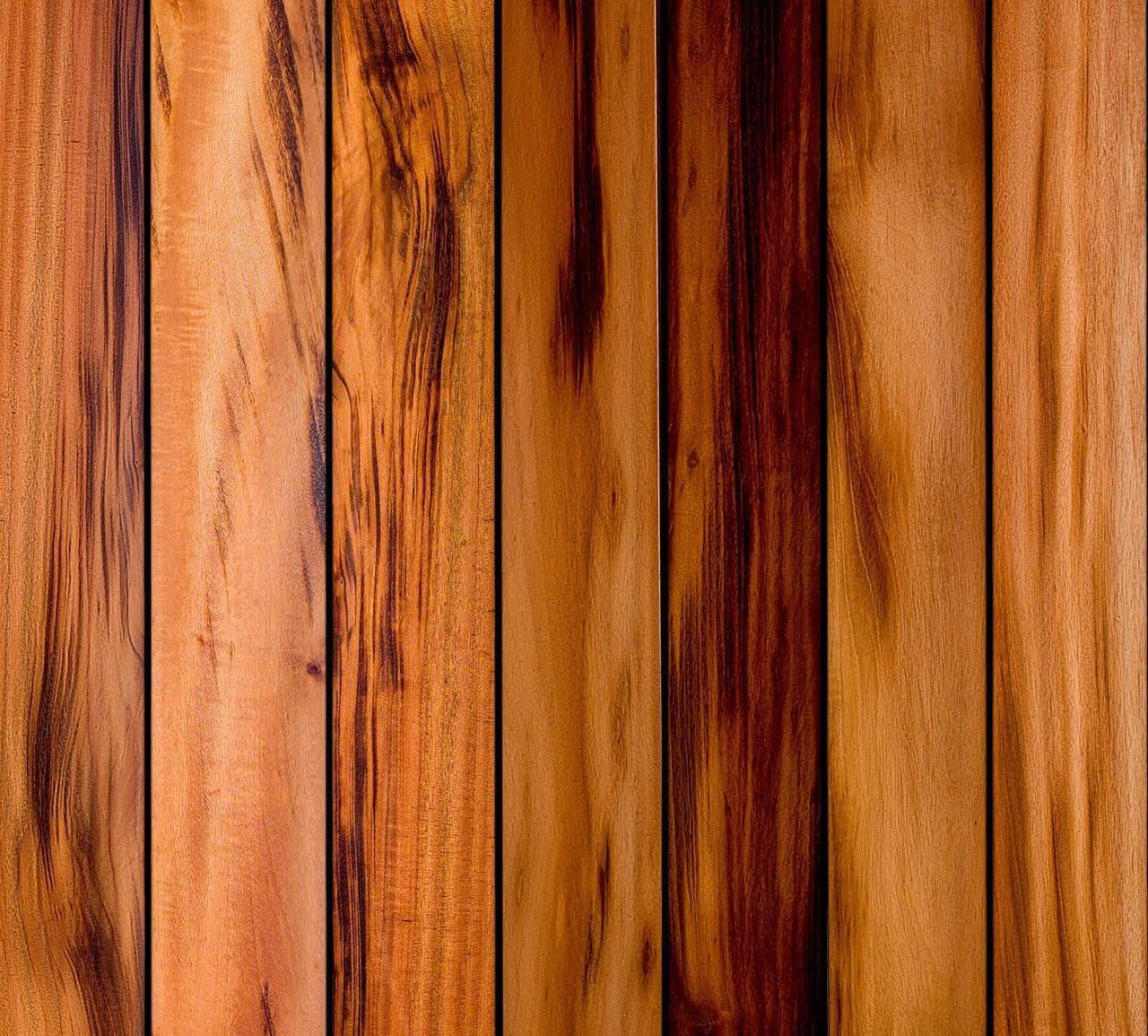
Tigerwood, also known as Goncalo Alves, is an exotic hardwood originating from Brazil. It is characterized by its striking golden-brown color with contrasting dark brown streaks, giving it a unique, tiger-like appearance. This dramatic figure can add a sophisticated touch to any porch.
Beyond its aesthetic, Tigerwood is one of the densest hardwoods available, contributing to its durability and resistance to rot and decay. It also exhibits natural resistance to termites and moisture, and is inherently water repellent due to its natural oils. These properties make it a robust choice for outdoor environments, including covered porches where some exposure to humidity and occasional splashes may occur.
The material's hardness also provides scratch resistance, which is beneficial in high-traffic areas or where furniture will be moved frequently. With proper care, Tigerwood decking can last for over 25 years. This longevity makes it a valuable investment for a covered porch, minimizing the need for frequent replacement.
Available in a 1" x 5.5" (5/4"x6") profile, Tigerwood boards come in various lengths from 3 to 24 feet, allowing for flexible layout designs and minimizing waste during installation.
Considering the Covered vs. Exposed Sections
A covered porch inherently features both sheltered areas and sections that may experience some exposure to sun, rain, or humidity, particularly near the edges. When planning with Tigerwood, it's important to acknowledge these variations.
In fully covered sections, the decking will be largely protected from direct sunlight and heavy precipitation. This can help preserve the wood's original color longer, as UV exposure is a primary factor in the natural graying process of hardwoods. However, humidity can still be a factor, so ensuring proper ventilation underneath the deck is crucial. Tigerwood's natural moisture resistance is an advantage here.
For areas that are partially exposed, such as the outer perimeter of a porch or sections that receive morning or late afternoon sun, the Tigerwood may experience more weathering. It is important to decide if you wish to maintain the vibrant golden-brown hues with regular finishing or allow the wood to naturally silver over time. Uniformity in appearance across the covered and exposed areas will depend on your chosen maintenance approach.
Plan for consistent board spacing across all sections to allow for natural expansion and contraction, regardless of exposure. While Tigerwood is dense, all wood reacts to changes in moisture and temperature.
Coordinating Thresholds and Transitions
The transition from an interior space to your covered porch, or from the porch to an adjoining patio or walkway, requires careful planning of thresholds. The goal is to create a seamless and safe passage.
When connecting to interior flooring, consider the finished height of your Tigerwood deck boards relative to the interior floor. A slight step down from the interior is common to prevent water intrusion, but ensure it is not a tripping hazard. Matching the general tone or contrasting with the interior flooring can create visual continuity or a deliberate break.
For transitions from the covered porch to an uncovered deck or patio, ensure the Tigerwood decking aligns cleanly with the adjacent material. This might involve using a border board, a contrasting material, or a carefully planned expansion gap. The inherent durability of Tigerwood makes it suitable for these transition zones, which often experience higher wear.
Furniture Placement and Decking Protection
The robust nature of Tigerwood, with its unmatched hardness and scratch resistance, makes it a practical choice for a porch that will host various furniture pieces. However, strategic furniture placement and protection can extend the life and appearance of your decking.
When arranging heavier items like dining sets, outdoor sofas, or large planters, consider using furniture pads or glides to prevent scratches or indentations, especially if the furniture is frequently moved. While Tigerwood is hard, concentrated pressure over time can still leave marks.
For planters, ensure they have adequate drainage and consider elevating them slightly to allow air circulation underneath. This prevents moisture from accumulating directly on the deck surface, which could lead to discoloration or water marks over time. Even naturally moisture-resistant wood benefits from preventing standing water.
The natural oils in Tigerwood contribute to its water repellency, which is beneficial for resisting spills from drinks or food during gatherings.
Worked Example: A 12-foot by 20-foot Covered Porch
Consider a hypothetical covered porch measuring 12 feet wide by 20 feet long. This space will accommodate a dining area and a small seating nook. We will use 1" x 5.5" Tigerwood decking boards.
For the main decking surface, we'll lay the boards parallel to the 12-foot width. This means each board will be cut to 12 feet long. The effective coverage width of each board is 5.5 inches. To cover the 20-foot length, we need to calculate how many boards are required.
First, convert the 20-foot length to inches: 20 feet * 12 inches/foot = 240 inches. Now, divide the total length by the effective width of one board: 240 inches / 5.5 inches/board = 43.63 boards. Since you cannot purchase partial boards, you would need 44 boards of 12-foot length.
For a picture-frame border around the perimeter, which is a popular design choice for covered porches, additional boards would be needed. For a 12-foot by 20-foot deck, the perimeter is (12 + 20) * 2 = 64 linear feet. If we use 12-foot and 20-foot boards for the border, we would need two 12-foot boards and two 20-foot boards for a single border layer, plus additional material for mitered corners or overlapping joints. This example assumes a simple straight lay for the main field.
Before you order
- Assess the degree of exposure: identify areas that are fully covered, partially exposed to sun, and those susceptible to rain or splash-back.
- Choose your finish strategy: decide whether to maintain the original Tigerwood color with a UV-inhibiting finish or allow it to naturally silver.
- Plan thresholds: determine the height and material transition from interior spaces and to adjacent outdoor areas.
- Consider furniture and planters: select appropriate protection for deck surfaces under heavy items or those that are frequently moved.
- Ensure proper ventilation: confirm the under-deck area has adequate airflow, especially in humid environments.
- Verify board spacing: adhere to manufacturer guidelines for consistent board spacing to accommodate natural wood movement.
- Calculate material needs: accurately measure your porch dimensions to determine the required quantity of Tigerwood boards, including any border or stair elements.
Confirm installation details, approved uses and warranty terms in the current instructions for the exact product and profile. Your installer should verify the substrate, structure and applicable project requirements.
Questions to help you decide
Will Tigerwood change color on a covered porch?
Tigerwood, like most hardwoods, will naturally silver over time when exposed to UV light. On a covered porch, the degree of color change will depend on how much direct sunlight the decking receives. Fully sheltered areas may retain their golden-brown hues longer, while partially exposed sections will likely silver more quickly. Applying a UV-inhibiting finish can help preserve the original color.
Is Tigerwood resistant to moisture on a covered porch?
Yes, Tigerwood is naturally resistant to moisture and is inherently water repellent due to its natural oils. This makes it a suitable choice for covered porches where humidity or occasional splashes might occur. However, ensuring good ventilation beneath the deck and avoiding prolonged standing water will help maintain its condition.
How do I maintain Tigerwood decking on a covered porch?
Maintenance for Tigerwood decking typically involves periodic cleaning to remove dirt and debris. If you wish to preserve its original golden-brown color and dark streaks, regular application of a UV-inhibiting oil or sealer is recommended. If left untreated, the wood will naturally weather to a silver-gray patina. Always follow the manufacturer's specific care instructions for cleaning and finishing products.
Ready to Plan Your Tigerwood Covered Porch?
Request a material quote today with your project dimensions, desired Tigerwood profile, and ZIP code. We can confirm current availability and service options for your area. Explore our full range of hardwood decking and related materials.
Request a material quote →