Verify Project Dimensions and Layout
Before any material is ordered, a final verification of all project dimensions is critical. This includes the overall footprint of the deck, any cutouts for existing structures, and the planned layout of the decking boards. Discuss with your contractor how board lengths will be utilized to minimize waste and optimize visual flow. For example, will boards run parallel to the house, or will a diagonal pattern be incorporated?
Confirming these details ensures that the quantity ordered accurately reflects the true needs of the project, accounting for cuts, waste, and any specific design elements like picture-frame borders or stair treads. Any discrepancies caught at this stage can save significant time and expense later.
Confirm Tigerwood Decking Profile and Quantity
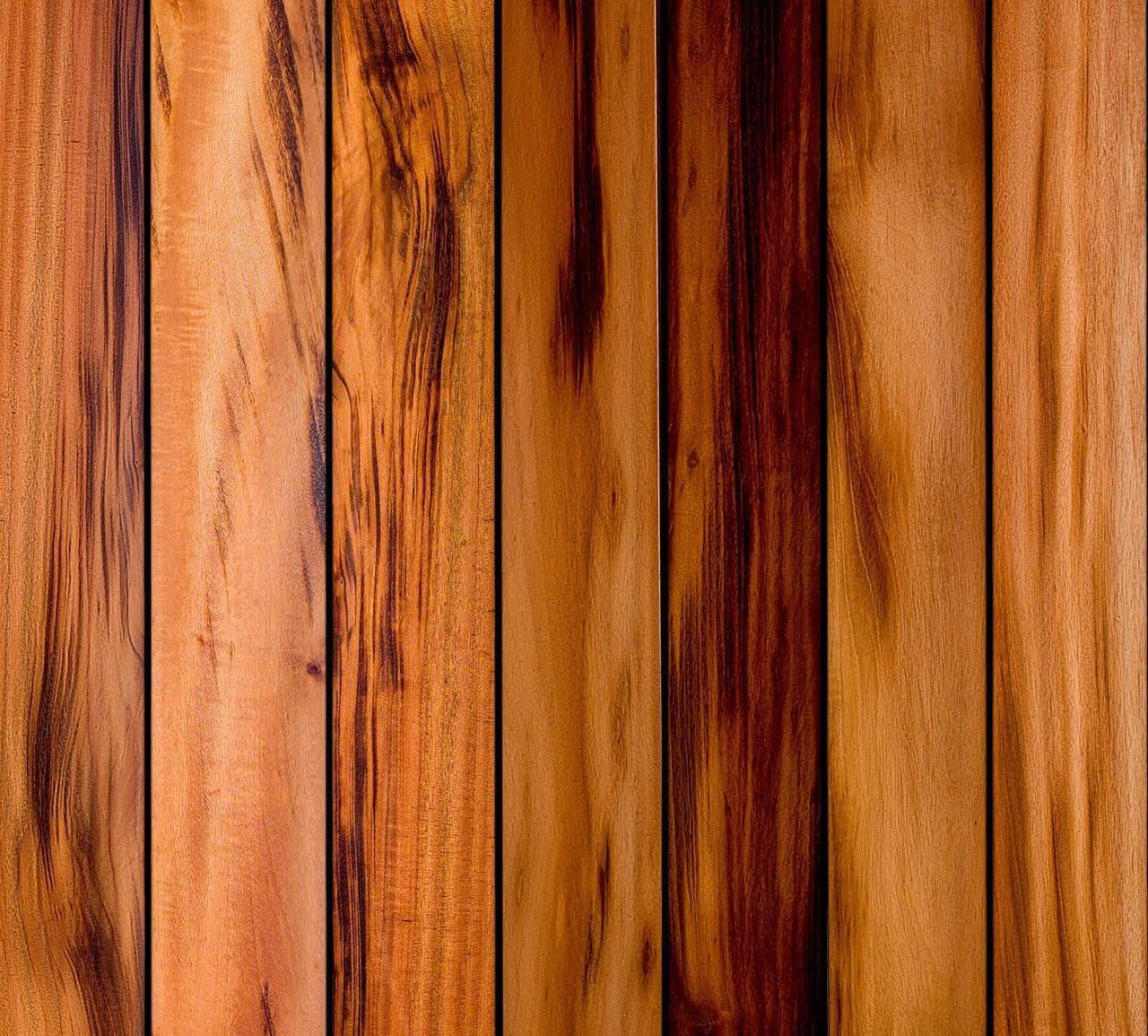
Tigerwood decking is known for its dramatic figure, featuring golden-brown hues contrasted by dark brown streaks. It is one of the densest exotic hardwoods available, offering durability and resistance to moisture and termites. When ordering, specify the exact profile required.
Lumber Plus offers Tigerwood decking in a 5/4"x6" profile, which translates to an actual dimension of 1" x 5.5". Boards are available in lengths from 3 to 24 feet and are Kiln Dried (KD). Confirm with your contractor the preferred lengths for your project. A detailed material takeoff, factoring in required cuts and a waste percentage, should be finalized.
For example, a deck measuring 10 feet by 12 feet requires 120 square feet of coverage. With 5.5-inch wide boards, each linear foot covers approximately 0.458 square feet (5.5 / 12). Therefore, 120 square feet would require roughly 262 linear feet of decking. Always factor in a waste percentage, typically 10-15%, for cuts and potential imperfections. This calculation should be done by your contractor to ensure accuracy based on their installation plan.
Fastening Systems and Accessories
The choice of fastening system impacts both the aesthetic and structural integrity of your Tigerwood deck. Discuss with your contractor whether hidden fasteners or face-fastening will be used. Hidden fasteners provide a clean, unblemished surface, while face-fastening offers a more traditional look. Given Tigerwood's density, professional-grade tools, carbon-tipped saw blades, and pre-drilling are typically required for installation. Gluing can be difficult due to its density.
Beyond the decking boards themselves, consider necessary accessories. This might include fascia boards to finish the deck's edges, stair treads, risers, and any specialized connectors or support systems. Ensure all these components are specified and included in the material quote to avoid last-minute purchases or design compromises. Remember that Tigerwood is naturally water repellent thanks to its natural oils and offers unmatched hardness and scratch resistance.
Storage and Jobsite Access
Tigerwood, like other hardwoods, needs proper handling and storage upon delivery. Discuss with your contractor the plan for receiving and storing the material. It should be stored on a flat, dry surface, elevated off the ground, and protected from direct sunlight and moisture. This helps prevent warping or damage before installation.
Confirm jobsite access for delivery. Are there any restrictions for large trucks? Is there sufficient space for material staging? A clear plan for material delivery and storage is crucial to protect your investment and keep the project on schedule.
Maintenance and Finish Planning
Tigerwood's golden-brown hues with dark streaks are part of its unique appeal. Over time, like all natural hardwoods exposed to the elements, Tigerwood will gradually weather to a silver-gray patina if left untreated. Discuss with your contractor and consider your preferences for maintaining its original color versus allowing it to age naturally.
If you prefer to retain the rich, vibrant color, a UV-inhibiting oil finish will be necessary. This maintenance should be planned as part of the project's long-term care. Ensure your contractor is aware of your finishing preferences, as this might influence the final appearance and protection of the deck immediately after installation.
Worked Example: Backyard Deck Extension
Imagine you are planning a new rectangular deck extension, measuring 14 feet by 18 feet, to be built off the back of your home. Your contractor has confirmed the substructure is sound and ready for decking. You've chosen Tigerwood decking, available in 1" x 5.5" actual dimensions and various lengths.
First, calculate the total area: 14 ft * 18 ft = 252 square feet. Next, determine the linear footage needed. Each 5.5-inch wide board covers 0.458 square feet per linear foot. So, 252 sq ft / 0.458 sq ft/LF = approximately 550 linear feet.
Adding a 15% waste factor for cuts and potential board selection: 550 LF * 1.15 = 632.5 linear feet. Your contractor may plan to use predominantly 14-foot and 18-foot lengths to minimize end-to-end seams. For example, they might order 30 boards at 18 feet (540 LF) and 6 boards at 14 feet (84 LF), totaling 624 linear feet. This provides a buffer and accounts for the layout. Additionally, you decide on fascia boards for the perimeter, requiring another 64 linear feet (14+14+18+18). These specific quantities and lengths are critical details for your contractor to finalize and for your material quote.
This example assumes a simple straight lay. More complex designs, such as diagonal patterns or intricate borders, will require more precise waste calculations and potentially different length distributions. Always rely on your contractor's final material take-off.
Before you order
- Finalize deck dimensions and layout with your contractor.
- Confirm the exact Tigerwood decking profile: 1" x 5.5" actual dimension.
- Review and approve the contractor's detailed material takeoff, including waste factor.
- Specify preferred board lengths (e.g., 3-24 ft) to optimize cuts.
- Decide on the fastening system (hidden vs. face-fastened).
- List all required accessories: fascia, stair treads, etc.
- Plan for material delivery and on-site storage conditions.
- Discuss long-term maintenance and finishing preferences for Tigerwood.
- Obtain a final quote based on the confirmed material list.
Confirm installation details, approved uses and warranty terms in the current instructions for the exact product and profile. Your installer should verify the substrate, structure and applicable project requirements.
Questions to help you decide
How hard is Tigerwood decking?
This density contributes to its unmatched hardness and scratch resistance, making it suitable for high-traffic areas.
Is Tigerwood decking suitable for all climates?
Tigerwood is very durable and resistant to termites and moisture, making it a robust choice for various outdoor environments. Its natural oils contribute to its water repellency. For projects in areas with extreme temperature fluctuations or high humidity, proper ventilation beneath the deck is important for any decking material, including Tigerwood.
What maintenance does Tigerwood decking require?
Tigerwood is naturally durable and low maintenance. If you prefer to maintain its original golden-brown color with dark streaks, periodic application of a UV-inhibiting oil finish is recommended. If left untreated, Tigerwood will naturally weather to a silver-gray patina over time.
Ready to Plan Your Tigerwood Decking Order?
Provide your project dimensions, desired Tigerwood profile, and ZIP code to request a material quote. Confirm current availability and service options for your project.
Request a material quote →