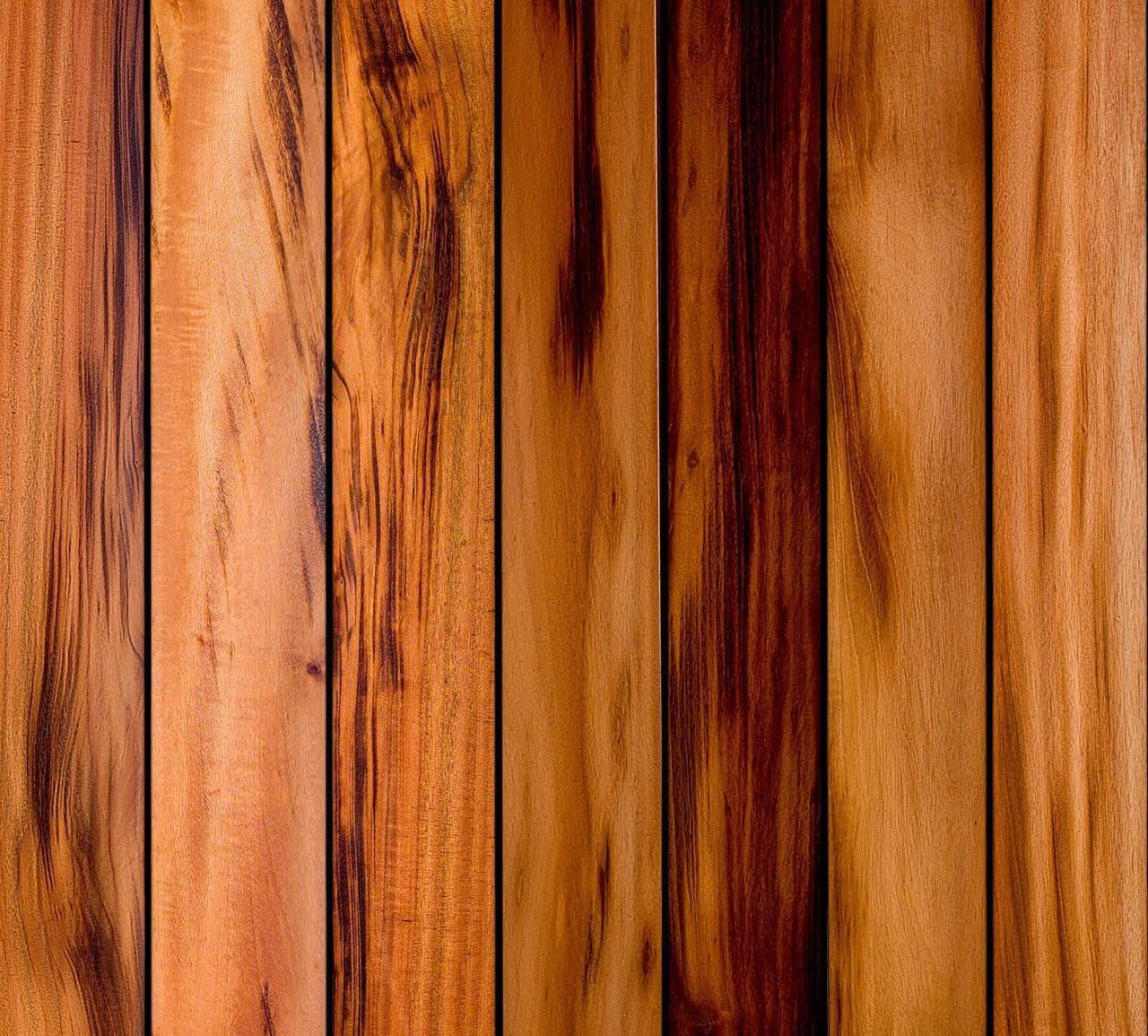
Understanding Tigerwood's Characteristics
Tigerwood (Astronium graveolens), also known as Goncalo Alves, is an exotic hardwood originating from Brazil. It is characterized by its golden-brown base color with prominent dark brown streaks, giving it a distinctive tiger-like appearance. As one of the densest hardwoods available, it possesses inherent durability, resistance to termites, and natural water repellency due to its natural oils.
Any cleaning product chosen must respect and ideally enhance these natural attributes, rather than diminish them. Products that are too harsh can strip away the oils that provide moisture resistance, potentially leaving the wood vulnerable.
For specific details on Tigerwood's properties, refer to its product page: /decking/hardwood/tigerwood.
General Cleaning Principles for Hardwood Decking
Before considering specialized cleaners, understand that most routine maintenance for hardwood decking involves simple methods. Regular sweeping or blowing removes loose debris, preventing it from grinding into the surface. An occasional wash with plain water and a soft-bristle brush can address surface dirt.
For more stubborn grime, a mild, pH-neutral soap diluted in water is often recommended as a first step. The key is to avoid harsh chemicals, abrasive scrubbers, or high-pressure washers, which can damage the wood fibers, etch the surface, or force water deep into the grain. Always rinse thoroughly to remove any soap residue.
Identifying Potentially Harmful Ingredients
When reviewing cleaning product labels, certain ingredients should raise a red flag for Tigerwood decking. Avoid products containing strong acids (like muriatic acid or oxalic acid in high concentrations, unless specifically formulated for hardwoods and tested), strong bases (like lye or ammonia), or abrasive particles. Bleach, while effective for mildew, can lighten the wood's natural color and should be used with extreme caution, if at all, and always diluted.
Solvent-based cleaners can strip the natural oils that give Tigerwood its water repellency and luster. Look for terms like "heavy-duty degreaser," "industrial strength," or "stain remover" without specific hardwood compatibility, as these often indicate a harsh chemical composition. While Tigerwood is very durable, it is still a natural material that can react negatively to aggressive chemicals.
Choosing Compatible Cleaning Products
The safest approach is to select cleaning products specifically formulated for exotic hardwoods or natural wood decking. These products are designed to clean effectively without damaging the wood's cellular structure or stripping its natural oils. Many such cleaners also include ingredients that help restore or protect the wood's finish.
When in doubt, opt for a mild, biodegradable, pH-neutral soap. If your deck has an existing finish or sealant, ensure the cleaning product is compatible with that finish as well. Always follow the manufacturer's dilution instructions precisely; using a product at a higher concentration than recommended can lead to damage.
Consider related products like general decking cleaners: /decking and specialized hardwood options: /decking/hardwood.
Performing a Spot Test: A Worked Example
Before applying any new cleaning product to your entire Tigerwood deck, always perform a spot test in an inconspicuous area. This allows you to observe how the wood reacts without risking damage to a large visible section. Here’s a hypothetical example:
**Scenario:** You have a 12-foot by 20-foot Tigerwood deck and want to use a new, commercially available "Hardwood Deck Cleaner." You've identified an area under a large planter that is typically out of sight.
**Steps:**
1. **Preparation:** Clear a small, hidden section, approximately 1 foot by 1 foot. Sweep away any loose debris.
2. **Application:** Dilute the "Hardwood Deck Cleaner" according to the manufacturer's instructions (e.g., 1 part cleaner to 10 parts water). Apply a small amount of the diluted solution to the test area using a soft cloth or sponge.
3. **Dwell Time:** Allow the cleaner to sit for the recommended dwell time, typically 5-10 minutes. Do not let it dry on the wood.
4. **Agitation:** Gently scrub the area with a soft-bristle brush, moving with the grain of the wood.
5. **Rinsing:** Rinse the area thoroughly with clean water. Use a hose on a low-pressure setting to ensure all residue is removed.
6. **Observation:** Allow the test area to dry completely. Once dry, inspect it carefully. Look for any discoloration, dulling, streaking, or changes in the wood's texture. Compare it to an untreated section of the deck. If the results are satisfactory, you can proceed with cleaning the rest of your deck. If not, try a different product or a more diluted solution on another test spot.
Before you order
- Identify if your Tigerwood deck has an existing finish or is unfinished.
- Review the ingredients list of any cleaning product for harsh chemicals (acids, strong bases, abrasive particles, strong solvents, bleach).
- Prioritize products specifically labeled for exotic hardwoods or natural wood decking.
- If using a general cleaner, ensure it is pH-neutral and biodegradable.
- Always perform a spot test in an inconspicuous area before full application.
- Follow manufacturer's dilution and application instructions precisely.
- Ensure thorough rinsing after cleaning to remove all product residue.
Confirm installation details, approved uses and warranty terms in the current instructions for the exact product and profile. Your installer should verify the substrate, structure and applicable project requirements.
Questions to help you decide
Can I use a pressure washer on my Tigerwood deck?
Using a pressure washer on Tigerwood decking is generally not recommended. While Tigerwood is dense, high-pressure water can damage the wood fibers, create an uneven surface, or force water into areas that can lead to issues. If you must use one, use the lowest pressure setting, a wide fan tip, and keep the nozzle at a safe distance from the deck surface to avoid damage. A soft-bristle brush and garden hose are usually sufficient and safer for cleaning.
How often should I clean my Tigerwood deck?
The frequency of cleaning depends on factors like local climate, environmental exposure (e.g., pollen, leaves, foot traffic), and whether the deck is covered or exposed. For most decks, a thorough cleaning once or twice a year (e.g., in spring and fall) is sufficient. Regular sweeping or blowing to remove loose debris should be done more frequently, as needed, to prevent buildup.
What if my Tigerwood deck has mold or mildew?
For mold or mildew, a solution of mild, pH-neutral soap and water with a soft-bristle brush is often effective. If the problem persists, some specialized deck cleaners formulated for mold and mildew on hardwoods may be considered. Always perform a spot test first and ensure the product is bleach-free or contains a very mild, non-damaging alternative to bleach. Good ventilation and keeping the deck free of debris can help prevent future mold and mildew growth.
Request a Material Quote for Your Tigerwood Decking Project
Planning a new deck or renovating an existing one? Request a material quote today. Provide your project dimensions, desired Tigerwood profile, and ZIP code to confirm current availability and service options. Get started on bringing the dramatic figure and disciplined performance of Tigerwood to your outdoor space.
Request a material quote →