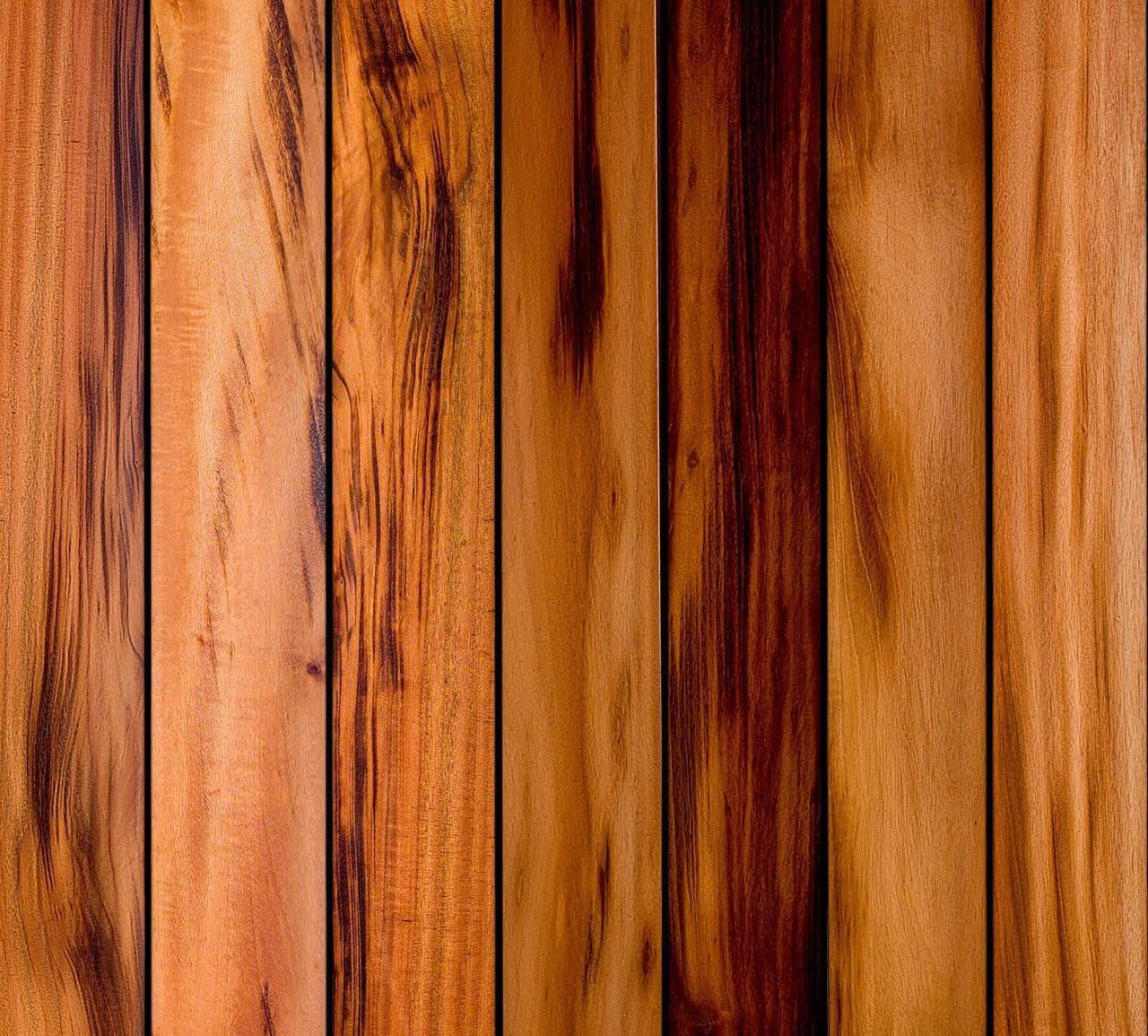
Defining Your Gathering Zones with Tigerwood
A successful backyard gathering space often incorporates multiple functional zones: an outdoor kitchen or grilling station, a dining area, a lounge space, and perhaps a pathway connecting them. Tigerwood decking can help define these areas, both visually and functionally. Its consistent appearance provides a cohesive base, while variations in board direction or the addition of borders can subtly delineate different activity zones.
Consider the flow of movement between these zones. For instance, a direct path from the kitchen to the dining area should be clear and unobstructed. The hardness of Tigerwood means it can withstand the foot traffic and potential spills associated with these high-activity areas. Planning these zones early helps determine the most effective board layout and prevents awkward transitions.
Board Layout Strategies for Distinct Zones
The direction of your Tigerwood decking boards can visually separate or unify different areas of your deck. Running boards parallel to the longest dimension of the deck can create a sense of expansiveness. For a more defined zone, such as an outdoor kitchen or a dedicated dining area, you might consider a contrasting board direction, like a diagonal pattern, or a picture-frame border.
A picture-frame border, where boards run perpendicularly around the perimeter of a section, can effectively frame a dining area or a lounge. This technique not only adds visual interest but also provides a clear boundary for furniture placement. For areas like an outdoor kitchen, where appliances and counters will be fixed, a straightforward linear layout might be more practical, allowing the natural grain of the Tigerwood to complement the kitchen's design.
Tigerwood decking is available in a 5/4"x6" (1" x 5.5") profile, in lengths ranging from 3 to 24 feet. This range of lengths allows for flexibility in minimizing seams and optimizing board usage across your planned zones.
Choosing a Finish to Complement Your Gathering Style
Tigerwood naturally exhibits golden-brown hues with dark streaks. You have options for how to enhance or maintain this appearance. Left untreated, Tigerwood will gradually weather to a silver-gray patina over time, a process common to many dense hardwoods. This natural weathering can offer a soft, understated backdrop for your gatherings.
If you prefer to maintain the rich, vibrant color of new Tigerwood, applying a UV-inhibiting oil finish is recommended. This helps protect the wood from the sun's rays and slows the weathering process, allowing the distinctive stripes to remain prominent. For a deck designed for frequent entertaining, a finish can also offer an additional layer of protection against spills and stains, simplifying cleanup.
Tigerwood's Durability and Maintenance for Entertaining
Tigerwood is a very durable hardwood, resistant to termites and moisture. Its density contributes to its hardness and scratch resistance, making it suitable for high-traffic areas and spaces where furniture will be moved frequently. This inherent durability is a significant advantage for a deck built around gathering, as it can withstand the demands of parties, barbecues, and regular foot traffic.
Maintenance for Tigerwood, especially in a gathering-focused backyard, typically involves regular cleaning to remove dirt, debris, and any spills. If an oil finish is applied, periodic reapplication may be necessary to maintain its color and protective qualities. The natural oils in Tigerwood also contribute to its water repellency, which can be beneficial for outdoor entertaining where drinks and food are present.
Worked Example: A Multi-Zone Gathering Deck
Consider a hypothetical backyard deck measuring 20 feet by 15 feet, intended to host an outdoor kitchen, a dining area, and a small lounge. The goal is to create distinct zones while maintaining a cohesive look using Tigerwood decking.
For the main 20-foot by 15-foot deck area, we'll run the Tigerwood boards parallel to the 20-foot dimension. This creates a visually long and expansive feel.
**Outdoor Kitchen (8 ft x 6 ft):** Located at one end, the outdoor kitchen will feature a picture-frame border. This requires cutting boards to form a perimeter around the 8x6 foot area. Inside this border, the boards can run perpendicular to the main deck's direction, visually separating the cooking space.
**Dining Area (10 ft x 10 ft):** Positioned centrally, the dining area will be defined by a change in board direction. Instead of a picture frame, the Tigerwood boards within this 10x10 foot section will be laid on a 45-degree diagonal. This creates a dynamic visual break without an explicit border, signaling a distinct zone for dining.
**Lounge Area (Remaining space):** The rest of the deck, approximately 12 ft by 15 ft (after accounting for the kitchen and dining areas), will serve as a lounge. The boards here will continue the original parallel layout, providing a seamless transition from the main deck into a relaxed seating zone.
This approach uses variations in board layout to define areas without physical barriers, allowing for flexible furniture arrangements while providing visual cues for different activities. The natural beauty of Tigerwood ties these zones together.
Before you order
- Identify primary gathering zones (e.g., kitchen, dining, lounge).
- Measure each zone's dimensions and consider flow between them.
- Decide on a primary board layout direction for the main deck.
- Choose contrasting board layouts (diagonal, perpendicular) or borders (picture frame) for specific zones.
- Determine if a natural weathered look or a color-retaining finish is preferred.
- Plan for regular cleaning and potential reapplication of finishes based on usage.
- Confirm the availability of desired Tigerwood board profiles and lengths.
Confirm installation details, approved uses and warranty terms in the current instructions for the exact product and profile. Your installer should verify the substrate, structure and applicable project requirements.
Questions to help you decide
How does Tigerwood's hardness benefit a deck used for entertaining?
This unmatched hardness provides exceptional scratch resistance and durability, making it highly suitable for decks that experience frequent foot traffic, furniture movement, and the general wear and tear associated with entertaining and gathering. It resists dents and damage better than softer woods.
Will spills from food and drinks stain Tigerwood decking?
Tigerwood is naturally water repellent due to its natural oils and is resistant to moisture. While this offers a degree of protection, it's always best practice to clean up spills promptly, especially acidic or oily substances, to prevent potential staining. Applying a protective finish can offer an additional barrier against spills and make cleanup easier, helping to maintain the deck's appearance in a gathering space.
Can I use different board widths of Tigerwood to define zones?
While Tigerwood is primarily available in a 5/4"x6" (1" x 5.5") profile, using different board widths is not typically an option with a single species of hardwood. However, you can achieve visual differentiation between zones by varying the board layout (e.g., diagonal patterns, perpendicular sections, or picture-frame borders), or by incorporating complementary materials like stone or pavers for pathways, to create distinct areas within your gathering space.
Plan Your Tigerwood Gathering Deck
Ready to design a backyard deck that brings people together? Request a material quote for Tigerwood decking by providing your project dimensions, desired profile, and ZIP code. We can help confirm current availability and service options for your project.
Request a material quote →