The Appeal of Thermally Modified Ash for Interiors
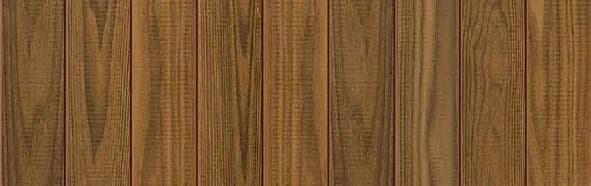
Thermally modified ash provides a unique aesthetic with its deep brown hue and pronounced hardwood grain. This natural color and texture can introduce warmth and sophistication to an interior space, creating a focal point that draws the eye. Unlike some other hardwoods, the thermal modification process enhances its dimensional stability, which is beneficial for interior applications where maintaining a consistent appearance is important.
The denser feel of ash, combined with its improved moisture response, makes it a candidate for high-visibility interior walls. It offers a distinct material presence that can complement various design styles, from modern minimalist to more traditional aesthetics. Its versatility allows it to be considered across walls and ceilings, depending on the specified profile and installation method.
Selecting the Right Profile for Your Feature Wall
The profile of the thermally modified ash boards will significantly influence the final look of your interior feature wall. For walls and ceilings, common profiles include S4S E4E End Match in nominal sizes like 1 × 6 Plus or 5/4 × 6. These profiles offer a clean, finished appearance suitable for interior applications.
S4S E4E (Surfaced Four Sides, Eased Four Edges) indicates that the boards are smooth and have slightly rounded edges, which can create a subtle shadow line between boards. The 'End Match' feature means the ends of the boards are milled with a tongue and groove, allowing for continuous runs without requiring joints to land on a stud, which can simplify installation and reduce waste. Other profiles, such as 1 × 10, 2 × 2, 2 × 4, or 2 × 6 S4S E4E, are typically designated for trim and molding applications, offering options for framing or accentuating the feature wall.
Finishing Options for Interior Ash
Thermally modified ash has a natural deep brown hue. For interior applications, you have the option to maintain this natural appearance with a clear finish, or to apply stains or paints to achieve a specific color palette. A clear sealant can protect the wood from everyday wear and tear while enhancing its inherent grain and tone. This can be particularly effective in showcasing the hardwood presence.
If a different color is desired, the stable nature of thermally modified ash can provide a good base for various stains. Always test any finish on a scrap piece of the material to ensure the desired outcome before applying it to the entire feature wall. Consider the level of sheen – matte, satin, or gloss – as this will also impact the overall aesthetic of the finished wall.
Installation Considerations for Interior Applications
While thermally modified ash offers enhanced stability, proper installation practices are still crucial for an interior feature wall. Ensure the substrate is clean, dry, and structurally sound. For interior applications, direct fastening to studs or a solid backing is common. The choice of fasteners should be appropriate for interior use, typically finish nails or screws that can be countersunk and filled for a smooth appearance.
When using end-matched profiles, the tongue and groove design can facilitate easier alignment and a seamless look. It is important to acclimate the wood to the interior environment for a period before installation to further minimize any potential movement. Always refer to manufacturer guidelines for specific installation instructions relevant to the chosen profile and intended application.
Worked Example: Designing a 10-foot by 8-foot Feature Wall
Let's consider a hypothetical interior feature wall measuring 10 feet wide by 8 feet high. We'll use Thermally Modified Ash in a nominal 1 × 6 Plus S4S E4E End Match profile, which has a typical coverage width of approximately 5.25 inches (actual dimensions can vary, always confirm with product specifications).
To cover the 10-foot (120-inch) width, we would need 120 inches / 5.25 inches/board = approximately 22.86 boards. Since we can't use a fraction of a board for the full width, we'd need 23 boards for each horizontal course. The wall height is 8 feet. If using 8-foot lengths, you would need 23 boards. If using mixed lengths, the end-match feature allows for staggered joints, requiring careful planning of cuts to minimize waste. Always factor in an additional 10-15% for cuts, waste, and unforeseen circumstances. For an 8-foot high wall, using 8-foot lengths, you would purchase 23 boards that are 8 feet long. This calculation assumes minimal offcuts and efficient cutting, and it is always advisable to round up to the nearest full board and add a waste factor.
Before you order
- Confirm interior suitability of the specific thermally modified ash profile.
- Determine the desired aesthetic: natural wood grain, stained, or painted.
- Select the appropriate profile (e.g., S4S E4E End Match for walls/ceilings).
- Measure the feature wall dimensions accurately, accounting for openings or obstacles.
- Calculate material quantities, including a waste factor (typically 10-15%).
- Plan for substrate preparation and appropriate fastening methods.
- Consider the type of finish (clear, stain, paint) and test on a sample.
- Verify local building codes or requirements for interior wood applications.
- Factor in acclimation time for the wood before installation.
Confirm installation details, approved uses and warranty terms in the current instructions for the exact product and profile. Your installer should verify the substrate, structure and applicable project requirements.
Questions to help you decide
Can thermally modified ash be painted?
Yes, thermally modified ash can be painted. While its natural deep brown hue and pronounced grain are often highlighted with clear finishes or stains, it can also be painted to match specific interior design palettes. Proper surface preparation and the use of a suitable primer are recommended for optimal adhesion and a smooth finish.
Does thermally modified ash require special maintenance indoors?
For interior feature walls, thermally modified ash generally requires minimal maintenance. A clear finish or paint will provide a protective layer. Regular dusting or wiping with a soft, dry cloth is usually sufficient to keep it clean. Avoid harsh chemical cleaners that could damage the finish or the wood itself.
Is thermally modified ash suitable for high-humidity interior areas like bathrooms?
While thermally modified ash offers improved stability and moisture response compared to untreated wood, its suitability for consistently high-humidity interior areas like bathrooms depends on the specific ventilation, direct water exposure, and the chosen finish. For such applications, it is crucial to ensure excellent ventilation and to apply a moisture-resistant finish specifically designed for high-humidity environments. Consult with a professional to assess the specific conditions and product recommendations for these types of spaces.
Request a Material Quote for Your Feature Wall Project
Ready to bring the unique appeal of thermally modified ash to your interior? Request a material quote by providing your project dimensions, desired profile, and ZIP code. Our team can confirm current availability and service options for your location.
Request a material quote →