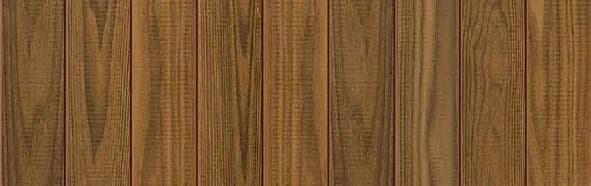
Understanding the Natural Tone of Thermally Modified Ash
Thermally Modified Ash is known for its natural deep brown hue and pronounced hardwood grain. This inherent color is a result of the thermal modification process, which darkens the wood fibers without the need for stains. The distinct grain pattern of Ash adds a textural quality that can appear different depending on the angle of light.
When planning your project, begin by observing raw, unfinished samples of Thermally Modified Ash in the actual location where it will be installed. Pay attention to how the color shifts throughout the day as natural light changes and how it appears under any planned artificial lighting. This initial assessment is crucial before considering any additional finishes, as it establishes the base color you will be working with.
The natural tone of Thermally Modified Ash can complement a range of architectural styles, from modern to traditional. Its rich color provides a warm foundation that can be enhanced or subtly altered with various finishes. The hardwood presence of Ash, with its denser feel and deeper grain, ensures a distinctive look for high-visibility applications.
For reference, Thermally Modified Ash is sourced from North America and Europe, and its botanical name is Fraxinus spp. This species offers the stability needed for exterior design while retaining its characteristic hardwood aesthetics.
The Impact of Natural Light on Appearance
Natural light is a dynamic element that profoundly influences the perceived color of Thermally Modified Ash. Direct sunlight will highlight the grain and may make the wood appear lighter or more vibrant, while overcast conditions or indirect light will reveal a deeper, more subdued brown. North-facing elevations, for instance, typically receive less direct sunlight, resulting in a cooler, more consistent appearance, whereas south-facing surfaces will experience a broader range of light intensity throughout the day.
Consider the orientation of your project and how the sun's path will affect the wood. For exterior cladding, the angle of the sun at different times of day and seasons will alter the shadow lines created by the profile, further affecting the overall visual texture and color perception. For interior applications, proximity to windows and skylights will play a similar role.
It is recommended to view samples at different times of the day, from morning to evening, to fully appreciate the spectrum of appearances. This step helps in anticipating the material's look in its final setting and making an informed decision about finishes.
Choosing Between Clear and Pigmented Finishes
Finishes for Thermally Modified Ash generally fall into two categories: clear or pigmented. Each type offers a different approach to preserving the wood and influencing its color.
Clear finishes, such as a natural oil or a transparent sealant, are designed to protect the wood while allowing its inherent deep brown hue and grain to show through. These finishes can enhance the wood's natural luster and provide a subtle wet look, often deepening the color slightly without adding new pigments. They are suitable for those who appreciate the authentic appearance of thermally modified Ash and wish to maintain its original aesthetic.
Pigmented finishes, on the other hand, contain colorants that can alter or enrich the wood's existing tone. A lightly tinted oil, for example, might be used to enhance the deep brown, add a warmer undertone, or even introduce a subtle graying effect to mimic weathered wood. When considering pigmented finishes, it is crucial to test them on samples of Thermally Modified Ash, as the base color of the wood will interact with the pigment to produce a unique result. What appears as a certain shade on a different wood species might look different on Ash.
The choice between clear and pigmented finishes also impacts maintenance. Clear finishes may require more frequent reapplication to maintain their protective qualities and aesthetic, especially in sun-exposed exterior applications. Pigmented finishes can offer better UV protection, which may slow the natural process of weathering and color change over time, potentially extending the period between maintenance cycles.
Worked Example: Selecting Finish for a Covered Porch Ceiling
Consider a hypothetical covered porch ceiling measuring 10 feet by 12 feet, where the homeowner desires a rich, consistent deep brown tone for Thermally Modified Ash. The porch is east-facing, receiving direct morning sun but remaining in shade for the rest of the day. The chosen profile is S4S E4E End Match, 1x6 Plus.
1. **Initial Observation:** Unfinished samples of Thermally Modified Ash are placed on the porch ceiling for several days. In the morning sun, the wood appears vibrant with pronounced grain. In the afternoon shade, the deep brown is consistent and rich.
2. **Desired Outcome:** The homeowner wants to preserve this deep brown while offering some protection. They are concerned about the wood lightening over time due to morning sun exposure.
3. **Finish Trial:** Two finishes are tested on separate samples: a clear, UV-resistant exterior oil and a lightly pigmented oil with a 'walnut' tint. The clear oil enhances the natural deep brown but shows the potential for subtle fading over time in the direct morning sun. The 'walnut' tinted oil slightly deepens the existing brown, adding a bit more warmth, and offers enhanced UV protection.
4. **Decision:** The homeowner chooses the lightly pigmented 'walnut' oil. While the clear oil was appealing, the added UV protection and subtle richness of the tinted oil better align with the desire for long-term color consistency and protection against the morning sun. The subtle deepening also complements the existing exterior elements of the home.
This example illustrates the importance of testing, considering specific environmental factors (like sun exposure), and evaluating how different finishes interact with the wood's natural color to meet a desired aesthetic and practical need.
Complementary Materials and Color Palettes
The deep brown of Thermally Modified Ash provides a strong base that can be paired with a variety of other materials and colors. For a modern aesthetic, consider contrasting it with light-colored stucco, cool-toned metals like aluminum or steel, or concrete. This contrast can make the wood 'pop' and become a focal point.
For a more traditional or rustic feel, Thermally Modified Ash pairs well with natural stone, brick, or darker metals. The warmth of the wood can be echoed in landscaping elements or outdoor furniture. The broad application range of Thermally Modified Ash, including cladding, ceilings, feature walls, and selected decking, allows for cohesive design across multiple surfaces.
When selecting paint colors for adjacent walls or trim, consider colors that either complement or contrast the Ash. Earthy tones, muted greens, or deep blues can harmonize with the wood's natural color, creating a serene and integrated look. Alternatively, crisp whites or charcoal grays can provide a striking contrast that highlights the wood's richness.
Always remember to gather samples of all proposed materials—including Thermally Modified Ash, finishes, and any other cladding, paint, or trim—and view them together under various lighting conditions. This holistic approach ensures that all elements work in harmony to achieve your desired project aesthetic.
Before you order
- Obtain physical samples of Thermally Modified Ash and any proposed finishes.
- Place samples in the actual project location (exterior or interior) to observe under natural and artificial light.
- Observe samples at different times of day (morning, midday, evening) and under various weather conditions (sunny, overcast).
- Consider the orientation of the surface (e.g., north, south, east, west) and its impact on light exposure.
- Evaluate if the natural deep brown hue meets your aesthetic goals without additional pigmentation.
- If considering pigmented finishes, test multiple shades on separate Ash samples.
- Assess how chosen finishes alter the wood's color, grain visibility, and overall texture.
- Consider the long-term maintenance requirements associated with clear versus pigmented finishes.
- Gather samples of all complementary materials (e.g., paint, stone, metal) and view them alongside the Ash samples.
- Confirm the chosen profile (e.g., S4S E4E End Match 1x6 Plus) is suitable for the application (cladding, ceilings, decking).
Confirm installation details, approved uses and warranty terms in the current instructions for the exact product and profile. Your installer should verify the substrate, structure and applicable project requirements.
Questions to help you decide
Does Thermally Modified Ash naturally change color over time?
Yes, like all natural wood products exposed to the elements, Thermally Modified Ash will gradually undergo a process of weathering. This typically involves the deep brown color mellowing and potentially developing a silvery-gray patina over time, especially in exterior applications exposed to UV radiation. Applying a finish with UV inhibitors can slow this process.
Can I paint Thermally Modified Ash a completely different color?
While it is technically possible to paint Thermally Modified Ash, painting would obscure its distinctive deep brown hue and pronounced hardwood grain, which are key aesthetic features of the material. Most users choose clear or lightly pigmented finishes to enhance and protect its natural appearance. If a solid color is desired, other materials might be more suitable or cost-effective for that specific aesthetic goal.
How do I ensure color consistency across a large Thermally Modified Ash project?
To promote color consistency, especially for large projects, it is recommended to order all material at once to ensure it comes from the same production batch. When installing, mix boards from different bundles to help blend any subtle natural variations in tone. For finished projects, applying the same finish uniformly and consistently across all surfaces, following manufacturer instructions, will further aid in achieving a cohesive look.
Request a Quote for Thermally Modified Ash
Ready to select Thermally Modified Ash for your project? Provide your project dimensions, desired profile, and ZIP code to receive a material quote. We can also confirm current availability and service options.
Request a material quote →