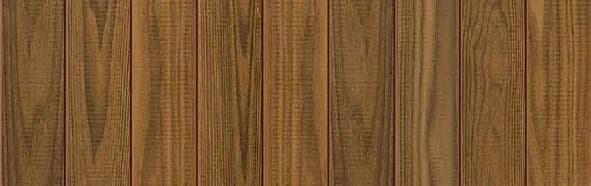
The Natural Aging Process of Thermally Modified Ash
Thermally modified ash, like most natural wood products exposed to the elements, will undergo a natural change in appearance over time. If left unfinished, it will gradually transition to a silver-gray patina. This process is largely due to exposure to UV radiation and moisture.
Some project owners prefer this weathered look, finding it adds character and a sense of permanence to the structure. If this is your preference, routine cleaning may be the primary maintenance task. However, if you wish to preserve the original deep brown hue, a finishing product will be necessary, which introduces its own set of maintenance requirements.
Routine Cleaning for Thermally Modified Ash
Regardless of whether you choose to finish your thermally modified ash, regular cleaning is essential. This helps prevent the buildup of dirt, dust, pollen, and mildew, which can detract from the wood's appearance and, in some cases, lead to surface degradation.
For most applications, a soft brush or cloth with a mild, pH-neutral soap and water solution is sufficient. Avoid harsh chemicals, abrasive cleaners, or high-pressure washers, as these can damage the wood fibers or strip any applied finishes. For vertical surfaces like cladding, cleaning from top to bottom helps prevent streaking.
Maintaining a Finished Appearance
If you opt to apply a finish to your thermally modified ash to retain its original deep brown tone, this decision directly impacts your maintenance schedule. Finishes, typically oils or stains, require periodic reapplication. The frequency will depend on several factors: the specific product used, the level of UV exposure, local climate conditions, and the orientation of the surface.
Surfaces exposed to direct sunlight and precipitation, such as south-facing cladding or uncovered decking, will generally require more frequent reapplication than sheltered areas. Always consult the finish manufacturer's instructions for recommended reapplication intervals and procedures. This often involves cleaning the surface thoroughly, allowing it to dry, and then applying new coats as directed.
Considerations for Decking and High-Traffic Areas
When thermally modified ash is used for decking or other walking surfaces, maintenance considerations expand. These areas are subject to greater wear and tear, foot traffic, and potential spills. Regular sweeping or blowing away debris is crucial to prevent scratching and reduce the risk of mildew growth.
For decking, ensure that drainage around and under the deck is clear to prevent standing water. If a finish is applied, high-traffic areas on decking will likely show wear more quickly and may require more frequent spot treatment or full reapplication than other parts of the surface. Selecting a durable finish designed for decking applications is also important for these uses.
Worked Example: Maintenance Plan for a Cladding Project
Let's consider a hypothetical project: a 500 square foot thermally modified ash facade on a home, with 300 square feet facing south and 200 square feet facing north, and no applied finish. The project owner desires a natural silver-gray patina.
Maintenance Plan:
1. **Annual Inspection (Spring):** Visually inspect all surfaces for dirt buildup, mildew, or any signs of unusual wear. Pay close attention to areas under eaves or near downspouts where water might concentrate.
2. **Annual Cleaning (Late Spring/Early Summer):** Using a soft-bristle brush, a bucket of water, and a mild, pH-neutral soap, gently clean the entire facade. Focus on removing accumulated dust, pollen, and any light mildew. Rinse thoroughly with a garden hose on a low-pressure setting. The south-facing side may require slightly more attention due to higher sun exposure and potentially faster dirt accumulation.
3. **Spot Cleaning (As needed):** Address any localized stains or spills promptly to prevent them from setting. Use the same mild soap and water solution.
4. **Drainage Check (Fall):** Ensure that gutters and downspouts are clear and directing water away from the facade. Check for any vegetation growing too close to the wood, which can trap moisture.
This plan allows the wood to naturally gray while keeping it clean and free from environmental debris, requiring approximately 4-6 hours of active maintenance per year for the cleaning tasks.
Before you order
- Do I prefer the natural silver-gray patina or the original deep brown hue?
- If retaining the original color, what type of finish will be used (oil, stain) and what are its reapplication requirements?
- What is the total surface area of thermally modified ash in my project?
- How much of the surface is exposed to direct sunlight, rain, or high traffic?
- What is my comfort level with performing regular cleaning and reapplication tasks?
- Do I have the necessary tools (soft brushes, mild soap, garden hose) for routine maintenance?
- Will I need to hire a professional for maintenance, and have I factored that cost into my long-term budget?
- Are there specific areas (e.g., decking, lower cladding) that will require more frequent attention?
- Have I reviewed the specific maintenance guidelines from the finish manufacturer, if applicable?
- What is the local climate, and how might it affect the frequency of cleaning or finish reapplication?
Confirm installation details, approved uses and warranty terms in the current instructions for the exact product and profile. Your installer should verify the substrate, structure and applicable project requirements.
Questions to help you decide
Does thermally modified ash require sealing?
Thermally modified ash does not inherently require sealing for durability or stability, as the modification process enhances these properties. However, if you wish to maintain its original deep brown color and protect it from UV-induced graying, applying a penetrating oil or stain is recommended. This also helps with water repellency and can make cleaning easier.
How often should I clean thermally modified ash?
For most applications, an annual cleaning with mild soap and water is sufficient to remove accumulated dirt, dust, and pollen. For decking or areas with higher exposure to traffic, spills, or moisture, more frequent cleaning may be beneficial. Always address spills or mildew growth promptly.
Can I power wash thermally modified ash?
It is generally not recommended to power wash thermally modified ash with high pressure. High-pressure washing can damage the wood fibers, create an uneven surface, or strip any applied finishes. If you must use a pressure washer, use it on the lowest possible setting with a wide fan tip, keeping the nozzle a significant distance from the wood surface, and test it on an inconspicuous area first. A soft brush and garden hose are usually safer and more effective.
Ready to Plan Your Thermally Modified Ash Project?
Request a material quote with your project dimensions, exact profile preferences, and ZIP code to confirm current availability and service options. Our team can help you select the right thermally modified ash for your needs.
Request a material quote →