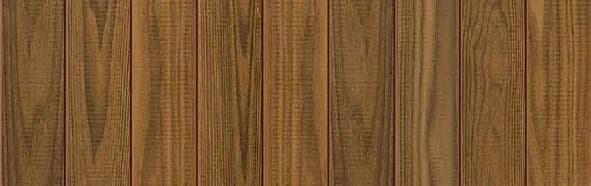
The Natural Weathering Process of Thermally Modified Ash
When left untreated and exposed to the elements, thermally modified ash will gradually transition in color. Initially, it presents a natural, deep brown hue. Over time, UV radiation and moisture exposure will cause the wood to lighten and develop a silvery-gray patina. This process is often referred to as 'silvering' or 'greying out' and is a natural characteristic of many wood species exposed outdoors.
The rate and uniformity of this weathering can vary depending on several factors: the amount of direct sunlight, exposure to rain, and regional climate conditions. Areas more exposed to sun and rain will typically weather faster and potentially more unevenly than sheltered areas. For example, a south-facing wall will likely silver more quickly than a north-facing one, and protected soffits may retain their original color for longer. This variation can create a dynamic, natural aesthetic, but it's important to anticipate if a uniform appearance is desired.
Maintaining the Original Deep Brown Hue
If the goal is to preserve the initial deep brown color of thermally modified ash, regular application of a UV-protective finish is necessary. These finishes typically contain pigments and UV inhibitors that shield the wood from the sun's rays, slowing down the silvering process. However, maintaining the original color is an ongoing commitment.
The frequency of reapplication depends on the specific product used, the level of sun exposure, and local climate. Generally, finishes may need to be reapplied every 1 to 3 years. It's crucial to follow the finish manufacturer's instructions for preparation, application, and reapplication to ensure proper adhesion and protection. Before reapplication, the surface typically needs to be cleaned and potentially lightly sanded to remove any dirt or loose fibers.
Embracing the Silver Patina
Many designers and homeowners intentionally choose to let thermally modified ash weather naturally to a silver-gray. This low-maintenance approach eliminates the need for recurring finishing treatments. The resulting patina can offer a sophisticated, timeless look that blends well with various architectural styles and natural landscapes.
While the silvering process reduces ongoing maintenance for color preservation, the wood still benefits from periodic cleaning to remove dirt, mildew, and other surface contaminants. A simple wash with mild soap and water can help maintain a clean appearance. Ensure proper drainage on vertical surfaces to prevent water pooling, which can lead to uneven weathering or biological growth.
Cleaning and Restoration Options
Over time, any outdoor wood surface can accumulate dirt, grime, and mildew. For thermally modified ash, regular cleaning helps preserve its appearance, whether it's kept natural or finished. A soft brush or sponge with a solution of mild detergent and water is often sufficient for routine cleaning. Rinse thoroughly with clean water.
For more stubborn stains or to refresh a weathered surface before applying a new finish, specialized wood cleaners designed for exterior use can be effective. Always test any cleaning product on an inconspicuous area first to ensure it does not negatively affect the wood's color or texture. If a finished surface has deteriorated, stripping the old finish may be necessary before applying a new one, following the finish manufacturer's instructions.
Worked Example: Planning for a Facade's Appearance Over Time
Consider a hypothetical residential project featuring thermally modified ash cladding on two distinct elevations: a main facade facing south and a covered porch ceiling facing north.
For the south-facing main facade (e.g., 20 feet wide by 10 feet high), which receives direct sunlight and rain, the client desires to maintain the deep brown color for as long as possible. This will require selecting a high-quality UV-protective exterior oil or stain. Based on manufacturer recommendations for similar products, reapplication might be needed every 1-2 years. The total surface area is 200 square feet. This calculation helps plan for recurring material costs and labor for maintenance.
For the north-facing covered porch ceiling (e.g., 12 feet by 8 feet), which is largely protected from direct sun and rain, the client prefers to let the wood naturally silver. This choice eliminates the need for periodic finishing. However, they understand that while the silvering will be slower and potentially less pronounced than on an exposed wall, occasional cleaning (perhaps every 2-3 years) will still be beneficial to remove any dust or cobwebs and maintain a fresh appearance. This approach minimizes long-term maintenance effort and material costs for this specific area.
Before you order
- Desired initial appearance: Deep brown or natural variation?
- Tolerance for color change: Will a silver-gray patina be acceptable or preferred?
- Maintenance commitment: Are you prepared for regular reapplication of finishes?
- Exposure levels: How much direct sun and rain will each surface receive?
- Finish type: If maintaining color, research suitable UV-protective oils or stains.
- Cleaning plan: How often will surfaces be cleaned, regardless of finish?
- Budget for maintenance: Include costs for finishes, cleaners, and labor over time.
Confirm installation details, approved uses and warranty terms in the current instructions for the exact product and profile. Your installer should verify the substrate, structure and applicable project requirements.
Questions to help you decide
Can thermally modified ash be painted?
While thermally modified ash can accept paint, it is generally recommended to use stains or clear finishes that allow the wood's natural grain to show through. If painting is desired, ensure the surface is clean, dry, and properly primed with a product compatible with thermally modified wood, following the paint manufacturer's specific instructions for exterior hardwood applications.
Does thermally modified ash require sealing?
Thermally modified ash does not require sealing for its durability or stability. The thermal modification process enhances these properties. However, a finish or sealer is necessary if you wish to maintain its original deep brown color, provide additional protection against moisture absorption, or enhance its appearance. If left unfinished, it will naturally weather to a silver-gray patina.
How do I remove mildew or mold from thermally modified ash?
Mildew and mold can be removed from thermally modified ash using a solution of mild soap and water, applied with a soft brush or sponge. For more persistent growth, a diluted solution of household bleach (e.g., 1 part bleach to 3 parts water) or a specialized exterior wood cleaner can be used. Always rinse thoroughly with clean water after cleaning and allow the wood to dry completely. Test any solution on an inconspicuous area first.
Plan Your Thermally Modified Ash Project
Ready to specify thermally modified ash for your next project? Request a material quote today. Provide your project dimensions, desired profile, and ZIP code to confirm current availability and service options for our Thermally Modified Ash (Fraxinus spp.) products, available in profiles such as S4S E4E End Match for siding and ceilings, and S4S E4E for decking and trim. Explore related options like our general Siding and Cladding, other Thermally Modified Wood products, and specific brands like NORX or Maximo Accoya for complementary materials.
Request a material quote →