Understanding Thermally Modified Ash Properties
Thermally modified ash is a hardwood that undergoes a high-heat treatment process, which alters its cellular structure. This modification enhances dimensional stability, meaning the wood exhibits improved resistance to swelling and shrinking due to changes in humidity.
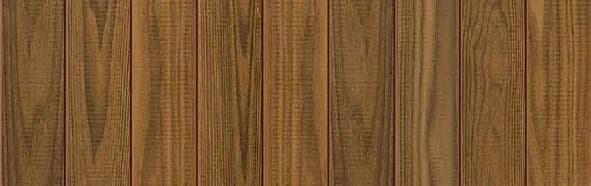
The thermal modification process also gives the ash a distinct deep brown hue and a pronounced grain, making it suitable for high-visibility applications like cladding, ceilings, and feature walls. Its improved moisture response is a key benefit for exterior use, but this also means fastener selection must account for the wood's inherent characteristics and how it interacts with different metals.
While thermal modification improves stability, the wood still experiences some movement. Fasteners must be able to accommodate this movement without causing stress or splitting in the ash boards. The wood's density also influences fastener choice, as certain fasteners are better suited for harder materials.
Fastener Material Compatibility
The most crucial aspect of fastener selection for thermally modified ash, especially in exterior applications, is material compatibility. Certain metals can react with wood tannins and moisture, leading to unsightly black streaks or corrosion of the fastener itself.
Stainless steel fasteners are generally recommended for thermally modified ash cladding. Specifically, Type 305 or Type 316 stainless steel offers excellent corrosion resistance, which is vital for exterior applications where the wood will be exposed to moisture. Type 316 provides superior resistance in coastal or high-salinity environments.
Galvanized fasteners, while offering some corrosion resistance, are often not recommended for thermally modified ash or other tannin-rich woods due to the potential for chemical reactions and staining over time. The zinc coating can react with wood extractives, leading to discoloration.
Considering Exposure and Environment
The environmental conditions of your project site significantly influence fastener choice. A thermally modified ash facade on a protected porch will have different requirements than cladding on a fully exposed wall facing prevailing winds and rain.
Even if the wood is sheltered, condensation can still occur, making corrosion resistance important.
In drier climates or for interior applications where thermally modified ash is used as a feature wall or ceiling, Type 305 stainless steel may be adequate. However, for any application where moisture is a possibility, stainless steel remains the most reliable option.
Fastener Type and Profile Suitability
The specific profile of your thermally modified ash cladding influences the type of fastener and installation method. For profiles like S4S E4E End Match, commonly used for siding, ceilings, and decking, concealed fastening systems or face fastening with appropriate screws are common.
When face fastening, countersinking the fastener heads and using plugs made from thermally modified ash can help create a clean, uniform appearance while protecting the fastener from direct exposure. Ensure the plugs are installed securely and are flush with the wood surface.
For hidden fastening systems, clips or specialized screws designed to engage with specific board profiles can provide a clean aesthetic. Always verify that the chosen hidden fastening system is compatible with the dimensions and groove profiles of your thermally modified ash boards. These systems often require specific starter and end clips, as well as intermediate fasteners.
Worked Example: Fastener Selection for a Coastal Ash Cladding Project
Consider a hypothetical project involving thermally modified ash (1x6 Plus S4S E4E End Match profile) cladding for a 20-foot by 10-foot exterior wall on a coastal property. The wall is fully exposed to the elements.
Given the coastal environment, the primary concern is corrosion resistance.
If a hidden fastening system is preferred, a compatible stainless steel clip system designed for 1x6 cladding would be selected. Always add a buffer for waste and mistakes.
For this project, the critical decision is the Type 316 stainless steel for maximum protection against saltwater corrosion, regardless of whether face-fastening or a hidden clip system is used.
Before you order
- Is the thermally modified ash for exterior or interior use?
- What is the expected exposure to moisture, rain, or salt spray?
- Is a visible or concealed fastening system preferred?
- What is the profile of the thermally modified ash boards?
- What is the material of the substructure (e.g., wood studs, metal framing)?
- Are there any specific local building code requirements for fasteners in your area?
- Have you considered the length of the fastener to ensure adequate penetration into the substructure without over-penetrating?
Confirm installation details, approved uses and warranty terms in the current instructions for the exact product and profile. Your installer should verify the substrate, structure and applicable project requirements.
Questions to help you decide
Can I use galvanized screws with thermally modified ash?
It is generally not recommended to use galvanized screws with thermally modified ash, especially for exterior applications. The zinc coating on galvanized fasteners can react with the natural tannins and extractives in the wood, potentially causing black staining on the wood surface and accelerating fastener corrosion.
Are there specific fastener lengths recommended for ash cladding?
The ideal fastener length depends on the thickness of your thermally modified ash boards and the depth of penetration required into the substructure.
How do I prevent fasteners from splitting the ash boards?
To prevent splitting, especially when working close to the ends or edges of boards, pre-drilling pilot holes is highly recommended. The size of the pilot hole should be slightly smaller than the shank of the fastener to allow the threads to grip effectively without forcing the wood apart. Using self-tapping screws designed for hardwoods can also help reduce splitting, but pre-drilling remains a best practice.
Ready to Plan Your Thermally Modified Ash Project?
Request a material quote with your project dimensions, exact profile, and ZIP code to confirm current availability and service options for thermally modified ash and compatible fasteners. Our team can help you specify the right materials for your needs.
Request a material quote →