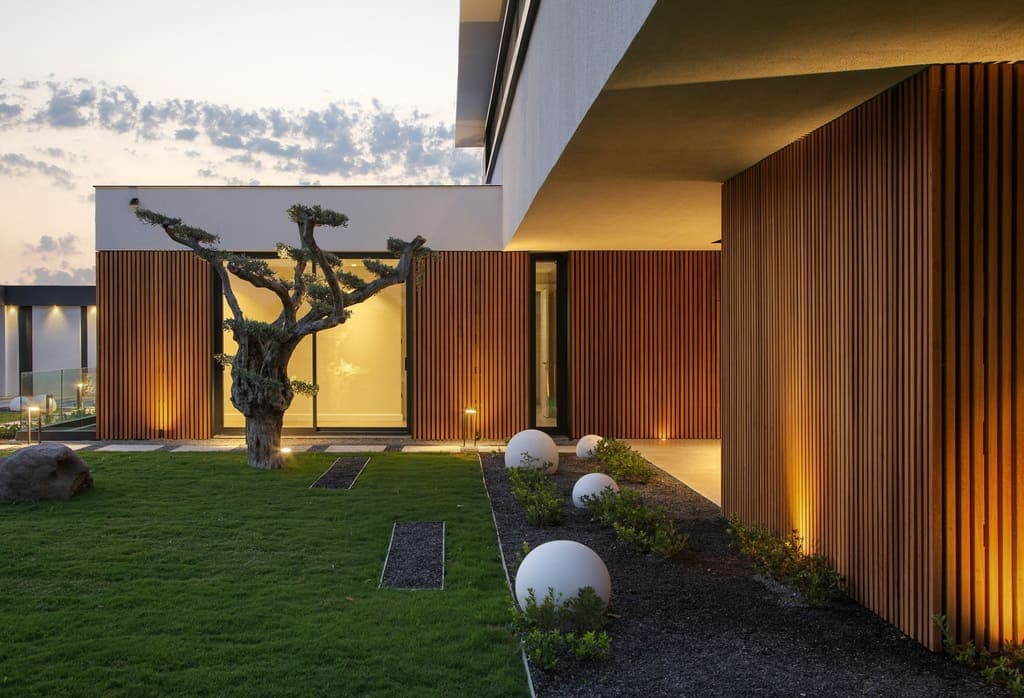
Understanding Thermally Modified Wood Characteristics
Thermally modified wood undergoes a high-heat treatment process that alters its cellular structure, resulting in enhanced stability and resistance to decay. This process typically imparts a darker, richer tone to the wood, which can vary depending on the species and the specific modification process.
Key characteristics to observe in your samples include the color depth, grain pattern, and surface texture. Some thermally modified woods may have a smoother finish, while others retain a more pronounced wood grain. These visual and tactile qualities contribute significantly to the final aesthetic of your installation.
For example, NORX Thermally Modified Wood utilizes a process that enhances stability and durability, making it suitable for exterior applications like siding and cladding. Its inherent characteristics, such as color variation and grain, are best appreciated through physical inspection.
The Impact of Lighting on Sample Appearance
One of the most crucial steps in evaluating a thermally modified wood sample is to observe it under various lighting conditions. Natural daylight, direct sunlight, overcast skies, and even artificial lighting can drastically change how the wood appears.
Take your sample to the actual project site and hold it against the intended wall or surface at different times of day. A wood that looks warm and inviting under direct morning sun might appear cooler or more muted in the shade or on an overcast afternoon. If your project includes exterior lighting, such as sconces or uplights, evaluate the sample under these conditions as well. This helps you anticipate the material's appearance around the clock.
Consider the orientation of your building. A south-facing wall will receive more intense, prolonged sunlight compared to a north-facing elevation, affecting how the wood's color and texture are perceived.
Evaluating Texture and Profile for Visual Depth
The texture and profile of thermally modified wood contribute to its visual depth and shadow lines. Different profiles, such as tongue-and-groove, shiplap, or board-and-batten, create distinct patterns and shadows that can dramatically alter the facade's character. Even within a single profile type, variations in milling can affect the final look.
When examining your sample, pay attention to the milling quality and the specific profile. For siding applications, a common profile is the tongue-and-groove, which offers a clean, interlocking fit. The NORX Thermally Modified Wood typically comes in profiles designed for exterior cladding, influencing how light and shadow play across the surface.
Consider how the texture interacts with light. A smoother, planed surface will reflect light differently than a lightly brushed or sawn texture. These subtle differences can be significant in the overall visual impact of a large installation.
Harmonizing with Adjacent Finishes and Materials
Thermally modified wood rarely exists in isolation. It will be installed alongside windows, doors, trim, and potentially other cladding materials like stone, stucco, or metal. Bringing samples of these adjacent finishes to your thermally modified wood sample evaluation is essential for ensuring visual cohesion.
Place your wood sample directly next to swatches or samples of your chosen window frames, door colors, and any other materials that will be in close proximity. Observe how their colors, textures, and finishes complement or contrast each other. A dark wood might appear even richer next to a light-colored trim, or it might clash with a conflicting undertone in an adjacent material.
For example, if you are planning to use Maximo Accoya for trim or accents, ensure its color and grain harmonize with the chosen thermally modified wood. This holistic approach helps to visualize the complete design before committing to materials.
Worked Example: Selecting Thermally Modified Siding for a Home Office
Imagine you are planning to clad a new 12-foot by 10-foot home office addition with thermally modified wood siding. You've narrowed down your choices to two NORX Thermally Modified Wood profiles: a 5-inch face exposure shiplap and a 4-inch face exposure tongue-and-groove.
First, obtain physical samples of both profiles. On a sunny morning, hold each sample against the south-facing wall of the addition. The shiplap profile, with its defined shadow lines, creates a more rustic, textured appearance. The tongue-and-groove, with its tighter seams, offers a sleeker, more contemporary look. Note how direct sunlight highlights the grain on both, but the shiplap's deeper reveal casts more pronounced shadows.
Next, move to the east-facing wall in the late afternoon. Here, the light is softer. The shiplap's shadows are less stark, and the tongue-and-groove's clean lines remain prominent. You also have a sample of the planned dark gray window frames. Place both wood samples next to the window frame sample. The shiplap's warmer tone seems to complement the cool gray better, while the tongue-and-groove's slightly darker hue blends in more, creating less contrast.
Consider the existing roof color, which is a medium charcoal. The shiplap's slightly lighter, varied tone provides a pleasing contrast, preventing the overall facade from appearing too monolithic. Ultimately, based on the interplay of light, shadow, and harmony with adjacent elements, the 5-inch face exposure shiplap is chosen for its character and better integration with the existing home's aesthetic. This structured approach helps ensure the final material choice aligns with the design vision across all conditions.
To estimate initial material, for a 12-foot x 10-foot wall (120 sq ft), using a 5-inch face exposure (0.4167 feet) shiplap: 12 feet / 0.4167 feet per board = 28.8 boards tall. 10 feet wide. Each 10-foot board covers 4.167 square feet. 120 sq ft / 4.167 sq ft per board = 28.8 boards. Round up to 29 boards for the width, and multiply by the height of the wall to determine linear footage needed. If boards are typically sold in specific lengths, such as 10-foot or 12-foot, a detailed cut plan would optimize material use, but for initial estimation, consider the total linear footage required for each course.
Understanding Product Labels and Specifications
Each thermally modified wood sample should come with clear product identification. This label typically includes the wood species, treatment type, profile, and dimensions. Verify that the sample corresponds to the exact product you intend to order.
Review any accompanying specification sheets. These documents provide crucial information regarding the wood's intended applications, recommended installation guidelines, and any specific characteristics related to its thermal modification process. For instance, the NORX brand specifies its thermally modified wood for applications like siding and cladding, which is important to confirm for your project.
Understanding these details ensures that the sample you are evaluating accurately represents the material that will be supplied and that it is suitable for your project's requirements. Do not hesitate to ask for clarification on any aspect of the product label or specifications.
Before you order
- Obtain physical samples of your preferred thermally modified wood profiles.
- Evaluate samples under natural daylight (morning, noon, afternoon) at the project site.
- Observe samples under any planned artificial lighting conditions.
- Place samples next to all adjacent materials (windows, doors, trim, other cladding).
- Assess how the wood's texture and profile create shadow lines and visual depth.
- Confirm the product label matches your desired species, treatment, and profile.
- Review specification sheets for suitability and installation guidelines.
- Consider how the wood's appearance might change as it weathers naturally over time (if unfinished).
Confirm installation details, approved uses and warranty terms in the current instructions for the exact product and profile. Your installer should verify the substrate, structure and applicable project requirements.
Questions to help you decide
How many samples should I request?
It is generally recommended to request at least two or three samples of each profile and species you are considering. Having multiple samples allows you to see variations in grain and color that are inherent in natural wood, providing a more realistic representation of the final installed appearance. This also helps in evaluating how samples look when placed side-by-side on a larger surface.
Can thermally modified wood samples be painted or stained?
While thermally modified wood can often accept finishes, it's crucial to confirm this with the specific product's specifications. Some thermally modified woods are intended to be left unfinished to achieve a natural, weathered look, while others are compatible with specific stains or paints. Always test any desired finish on a small, inconspicuous area of a sample first to ensure compatibility and desired aesthetic, especially since the thermal modification process can affect absorption.
What is the typical size of a thermally modified wood sample?
Sample sizes can vary, but they are usually large enough to give you a good representation of the profile and color. Common sample sizes might range from 6 to 12 inches in length, and they will typically show the full width of the board's face exposure. For larger projects, requesting a longer sample can be beneficial to better visualize the grain pattern over a greater length.
Ready to Plan Your Thermally Modified Wood Project?
Request a material quote with your project dimensions, exact profile, and ZIP code to confirm current availability and service options. Our team can assist with specific product details and help you secure the right materials for your vision.
Request a material quote →