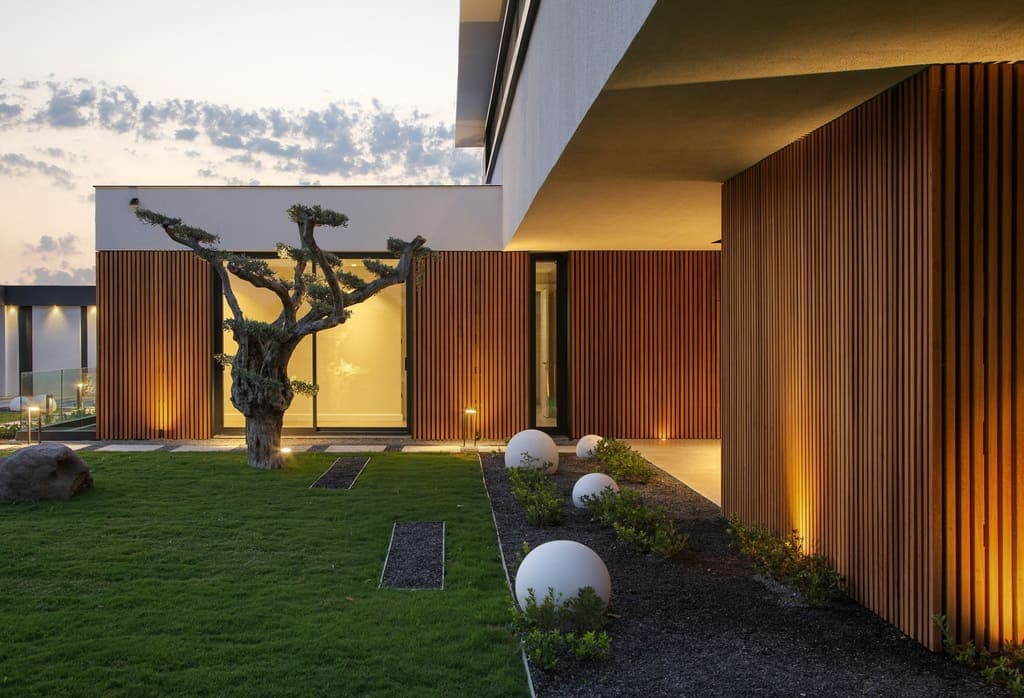
Material Takeoff: Quantifying the Thermally Modified Wood
The first step in budgeting is an accurate material takeoff. This involves calculating the exact linear footage or square footage of thermally modified wood required. Consider the specific profile you intend to use, as different profiles (e.g., tongue-and-groove, shiplap, board-and-batten) will have different coverage rates per board.
Always account for waste. Standard recommendations often suggest adding 10-15% extra material to cover cuts, mistakes, and potential damage during handling. For complex layouts, intricate patterns, or projects with many openings (windows, doors), a higher waste factor might be prudent. Measure each wall or section precisely, noting any variations in height or width. Remember that panelized products or specific siding profiles may have fixed lengths or widths that influence how you calculate coverage and waste.
For example, if you are cladding a wall section that is 10 feet wide by 8 feet high, this is 80 square feet. If your chosen thermally modified wood siding has a 5-inch exposed face width, each linear foot of board covers approximately 0.416 square feet (5 inches / 12 inches per foot). To cover 80 square feet, you would need approximately 192 linear feet (80 sq ft / 0.416 sq ft/lin ft). Adding a 10% waste factor brings the requirement to about 211 linear feet. If boards are sold in 10-foot lengths, you would need to purchase 22 boards (211 lin ft / 10 lin ft/board, rounded up).
Essential Accessories and Support Systems
Beyond the wood itself, several accessories are critical for a successful installation and must be factored into your budget. These include fasteners, furring strips, rainscreen components, and any specialized trim pieces.
Fasteners: The type and quantity of fasteners depend on the thermally modified wood profile, the substructure, and local building practices. Stainless steel fasteners are often recommended for their corrosion resistance, which helps prevent staining on the wood.
Furring Strips and Rainscreen Components: For exterior applications, a rainscreen system is often recommended to allow for drainage and ventilation behind the cladding. This involves installing furring strips (wood or metal) over a weather-resistive barrier. The cost of these strips, along with any insect screens, flashing, or specialized rainscreen membranes, should be included. For interior applications, furring strips may still be needed to create a level surface or accommodate specific design details.
Trim and Corner Pieces: Don't forget the finishing touches. This includes corner boards, trim around windows and doors, and starter strips or J-channels, depending on the siding system. These components are often sold separately and can significantly impact the final appearance and cost.
Finishes and Sealants: Protecting and Enhancing Appearance
Thermally modified wood is known for its enhanced stability and natural durability. While it can be left unfinished to weather to a silver-gray patina, many prefer to apply a finish to maintain its original color or achieve a specific aesthetic. This decision has budget implications.
Finishes: If you choose to apply a finish, factor in the cost of stains, oils, or sealants. The type of finish, its coverage rate, and the number of coats required will determine the quantity needed. Remember that exterior finishes will require reapplication at regular intervals, adding to long-term maintenance costs. Consider the NORX brand's recommended finishes for their thermally modified wood products, which are designed to complement the material's properties. You can explore options like those compatible with the <a href="/brands/norx">NORX</a> range.
Sealants and Caulking: Around windows, doors, and other penetrations, appropriate sealants are crucial for weatherproofing. These costs are often overlooked but are essential for a durable and watertight envelope.
Labor Costs: Professional Installation Expertise
Unless you are undertaking a DIY project, labor will be a significant portion of your budget. Labor costs vary widely based on location, contractor experience, project complexity, and the specific profile of thermally modified wood being installed.
Obtain multiple bids from qualified contractors specializing in wood siding or cladding. Ensure their quotes are detailed and specify what is included (e.g., material handling, installation, site cleanup). Some contractors may charge by the square foot, while others might provide an hourly rate for their crew. Clarify if the estimate includes the installation of furring strips, rainscreen components, and trim.
Complex designs, such as intricate patterns, mitered corners, or installations around many architectural features, will generally require more skilled labor and thus higher costs. Simple, straightforward installations on flat surfaces will be less expensive.
Shipping, Delivery, and Site Preparation
Don't overlook the logistics. Shipping costs for lumber can be substantial, especially for large quantities or if your project site is remote. Confirm delivery options and charges with your supplier.
Site Preparation: Before installation can begin, the project site needs to be ready. This might involve demolition of existing siding, surface preparation, or ensuring proper access for materials and equipment. These preparatory steps can incur costs for waste removal, scaffolding, or equipment rental. Discuss these requirements with your contractor during the bidding phase.
Contingency: Planning for the Unexpected
Even with meticulous planning, unexpected issues can arise. A contingency fund, typically 10-15% of the total project cost, is a vital part of any realistic budget. This fund can cover minor material shortages, unexpected repairs, changes in design, or unforeseen site conditions.
While thermally modified wood is stable, slight variations can occur, or a piece might get damaged during installation. Having a contingency budget means you won't have to halt your project or compromise on quality if minor adjustments are needed. This financial buffer provides peace of mind and flexibility.
Before you order
- Have I accurately measured the project area, accounting for all dimensions and openings?
- Have I added a waste factor (e.g., 10-15%) to my material quantity calculations?
- Have I identified the specific thermally modified wood profile and its coverage rate?
- Have I budgeted for all necessary fasteners, considering material (e.g., stainless steel) and quantity?
- Does my budget include furring strips, rainscreen components, and insect screens if applicable?
- Have I accounted for all trim pieces, corner boards, and starter strips?
- If applying a finish, have I calculated the cost of the finish, applicators, and future maintenance?
- Have I obtained multiple quotes from contractors, detailing labor costs for installation, prep, and cleanup?
- Have I factored in shipping and delivery charges for all materials?
- Is there a contingency fund (e.g., 10-15%) included in the total budget for unforeseen expenses?
Confirm installation details, approved uses and warranty terms in the current instructions for the exact product and profile. Your installer should verify the substrate, structure and applicable project requirements.
Questions to help you decide
What is the primary difference between square footage and linear footage in budgeting?
Square footage refers to the total area to be covered (e.g., 100 sq ft wall). Linear footage refers to the total length of individual boards needed (e.g., 200 linear feet of siding). When budgeting for siding, you typically convert the square footage of your project area into the linear footage of the specific board profile you plan to use, accounting for its exposed face width.
Why is a waste factor important for thermally modified wood?
A waste factor accounts for material that will be cut off, damaged during transport or installation, or simply unusable due to knots or imperfections. Thermally modified wood, like any natural wood product, can have variations, and cuts are inevitable. Adding 10-15% extra material ensures you have enough to complete the project without delays or additional shipping costs for small reorders.
Should I budget for professional installation or can I do it myself?
The decision to hire professionals or DIY depends on your skill level, available tools, and the complexity of the project. While DIY can save on labor costs, professional installers often have specialized knowledge, tools, and experience with thermally modified wood, which can lead to a higher quality finish and faster completion. Incorrect installation can lead to issues with performance and appearance, potentially costing more in the long run. If unsure, consider consulting with a contractor for advice or a partial installation.
Request a Material Quote for Your Thermally Modified Wood Project
Ready to move forward with your project? Provide your project dimensions, desired thermally modified wood profile, and ZIP code to request a material quote. Our team can help confirm current availability and service options for your specific needs. Visit our <a href="/contact-us">contact page</a> to get started.
Request a material quote →