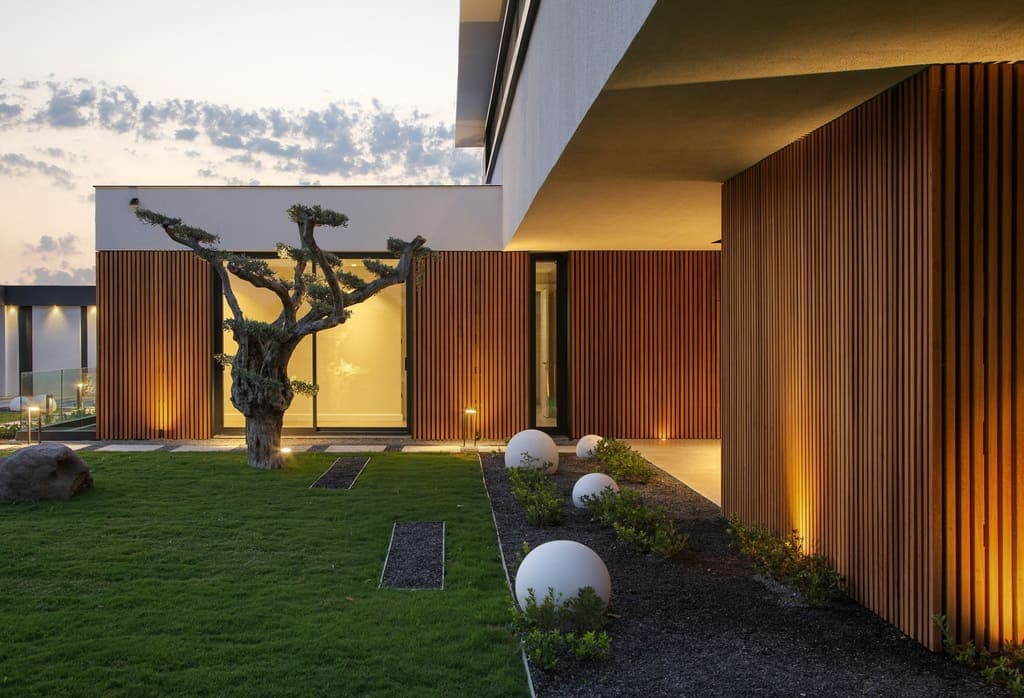
Embracing the Natural Patina vs. Color Preservation
One of the primary decisions for thermally modified wood is whether to allow it to develop a natural silver-gray patina or to maintain its original color. Thermally modified wood, like other natural wood products exposed to the elements, will gradually change in appearance over time as UV radiation and moisture interact with the wood fibers.
If you prefer the weathered, silver-gray look, maintenance is primarily about keeping the surface clean and free of debris. This approach reduces the frequency of intensive treatments and can be suitable for projects where a low-maintenance aesthetic is desired. This natural aging process does not typically compromise the wood's durability, which is enhanced by the thermal modification process itself.
For those who wish to preserve the initial rich tones, regular application of a UV-protective finish is necessary. This forms a barrier that slows down the graying process and helps maintain the wood's original hue. This option requires a more hands-on approach and a commitment to reapplication on a scheduled basis.
Routine Cleaning and Inspection
Regardless of your chosen aesthetic, routine cleaning and inspection are fundamental to the longevity and appearance of thermally modified wood. Annually, or as needed, inspect your siding or cladding for any accumulation of dirt, dust, pollen, or mildew. These can hold moisture against the wood surface, potentially leading to discoloration or biological growth.
Cleaning typically involves a soft brush or cloth and a mild detergent solution, followed by rinsing with clean water. Avoid high-pressure washers, which can damage the wood fibers, especially on softer thermally modified species. Pay particular attention to areas that receive less sun or airflow, as these might be more prone to mildew development. Clear any plant growth that might be touching the wood surface, as this can trap moisture and debris.
Maintenance for Color Preservation: Finishes and Reapplication
If preserving the original color is your goal, selecting the right finish is crucial. Typically, a UV-resistant oil-based or water-based finish designed for exterior wood is recommended. These finishes penetrate the wood or form a protective layer that helps shield it from the sun's rays and moisture.
The reapplication schedule for finishes can vary significantly depending on the product, local climate conditions, and exposure to direct sunlight and rain. Generally, reapplication might be needed every 1 to 3 years. Before reapplying, the surface should be cleaned thoroughly and allowed to dry completely. Light sanding may be recommended by the finish manufacturer to ensure proper adhesion and a uniform appearance. Always consult the specific finish manufacturer's instructions for detailed application and reapplication guidelines.
Consider the accessibility of your installation. If your thermally modified wood is on a high facade or in hard-to-reach areas, frequent reapplication of a finish could be a more involved and costly task.
Addressing Minor Damage and Repairs
Even with careful maintenance, minor damage can occur. Scratches, dents, or small areas of discoloration can often be addressed. For untreated, naturally graying thermally modified wood, light sanding can sometimes blend minor surface imperfections. For finished surfaces, the repair process might involve cleaning, light sanding, and reapplication of the matching finish to the affected area.
For more significant damage, such as cracks or splits, professional assessment may be needed. While thermally modified wood is known for its stability, extreme environmental conditions or impacts can still cause issues. Promptly addressing any damage can prevent further deterioration and help maintain the overall integrity and appearance of your installation.
Worked Example: Planning Maintenance for a Small Facade
Let's consider a hypothetical 100 square foot facade of thermally modified spruce siding, approximately 10 feet wide by 10 feet high, on the sunny side of a building. The homeowner wants to maintain the original warm brown color.
Initial Application: The siding is installed and immediately treated with a UV-protective oil-based finish. This requires careful application according to the manufacturer's instructions, ensuring even coverage.
Annual Check-up (Year 1, 2, 3, etc.): Each spring, the homeowner inspects the facade for dirt, mildew, or signs of wear on the finish. They gently wash the surface with a soft brush and mild soap, rinsing thoroughly. They also check for any loose fasteners or minor damage.
Reapplication Schedule (Year 2 or 3): Based on the finish manufacturer's recommendation and the facade's sun exposure, the homeowner plans to reapply the finish every two years. Before reapplication, the surface is cleaned, allowed to dry, and then lightly sanded with fine-grit sandpaper to prepare it for a fresh coat.
Tool and Material List for this Example:
Soft-bristle brush or sponge
Mild exterior wood cleaner or dish soap
Garden hose with spray nozzle (avoid high pressure)
Buckets for mixing and rinsing
UV-protective exterior wood finish (e.g., a specific shade from OSMO, Sikkens, or similar, compatible with thermally modified wood)
Paintbrushes or rollers suitable for exterior finishes
Drop cloths or masking tape to protect surrounding surfaces
Fine-grit sandpaper (e.g., 180-220 grit) for prep work
Ladders or scaffolding for safe access (if needed)
Gloves and safety glasses
Before you order
- Decide: Natural graying or color preservation?
- If color preservation: Research and select a compatible UV-protective finish.
- Understand the finish's reapplication schedule and required preparation.
- Assess accessibility for ongoing cleaning and finish reapplication.
- Plan for annual cleaning routines (tools, time, method).
- Consider how minor damage will be addressed (sanding, touch-up finish).
- Factor in the cost and effort of maintenance when budgeting for the project's lifespan.
Confirm installation details, approved uses and warranty terms in the current instructions for the exact product and profile. Your installer should verify the substrate, structure and applicable project requirements.
Questions to help you decide
Does thermally modified wood require less maintenance than untreated wood?
Thermally modified wood generally offers enhanced dimensional stability and resistance to decay compared to untreated wood, which can reduce certain maintenance concerns. However, it still requires cleaning to prevent dirt and mildew buildup. If you choose to preserve its original color, it will require regular reapplication of a UV-protective finish, similar to other finished exterior wood products.
What happens if I don't apply a finish to my thermally modified wood?
If no finish is applied, thermally modified wood will naturally transition to a silver-gray patina over time due to exposure to UV radiation and weather. This process is purely aesthetic and does not typically compromise the wood's inherent durability or stability, which are benefits of the thermal modification process. Regular cleaning will still be beneficial to keep the surface free of debris and biological growth.
Can I change my mind later and apply a finish to naturally grayed thermally modified wood?
Yes, it is generally possible to apply a finish to thermally modified wood that has already begun to gray. The surface would need thorough cleaning, and often a restoration product or light sanding, to remove the weathered layer and prepare it to accept a finish. This process can be more intensive than maintaining a finish from the outset. Always follow the specific instructions of the finish manufacturer for application on weathered wood.
Ready to Plan Your Thermally Modified Wood Project?
Request a material quote with your project dimensions, desired profile, and ZIP code. Confirm current availability and service options for your area. We can help you select the right thermally modified wood for your vision and discuss its long-term care.
Request a material quote →